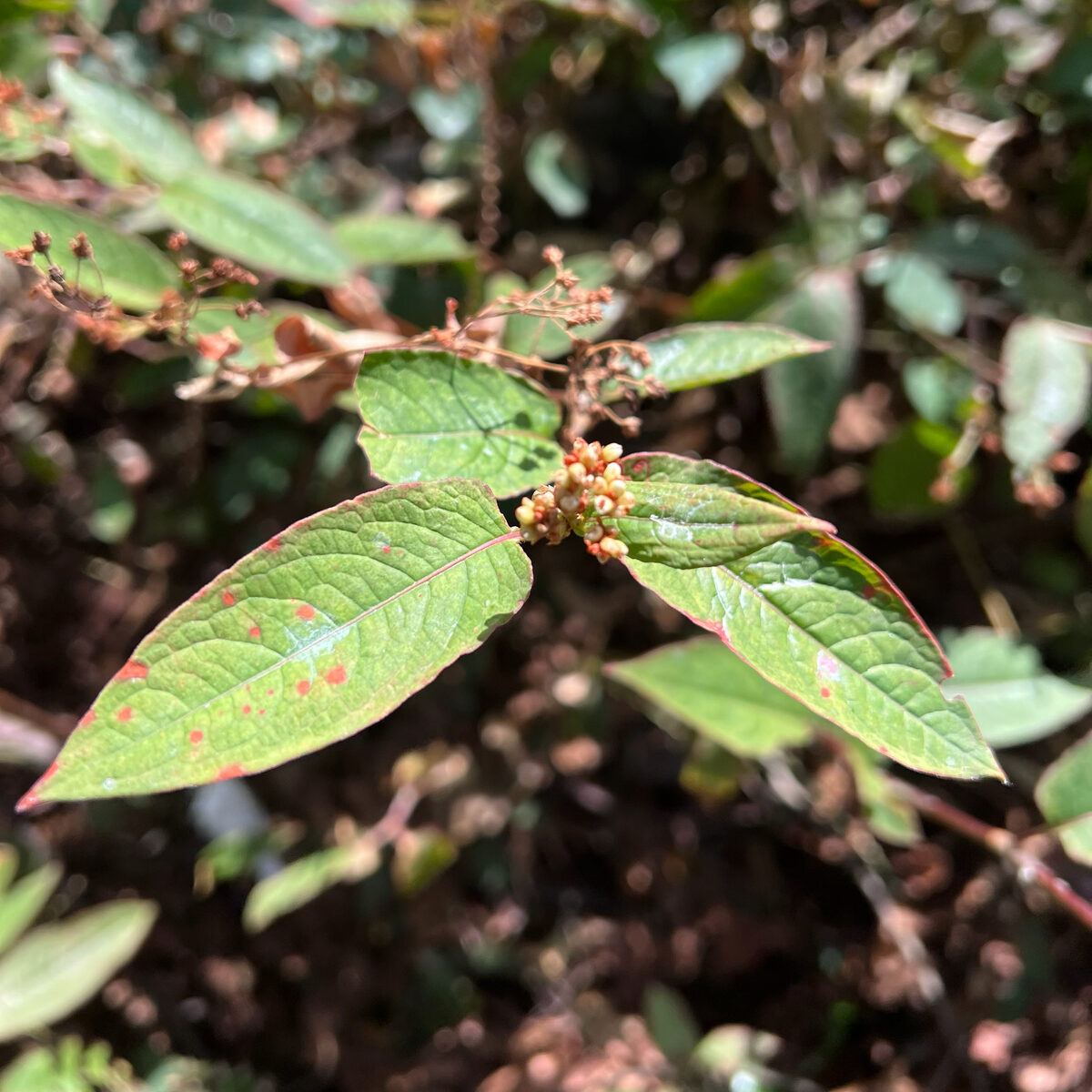
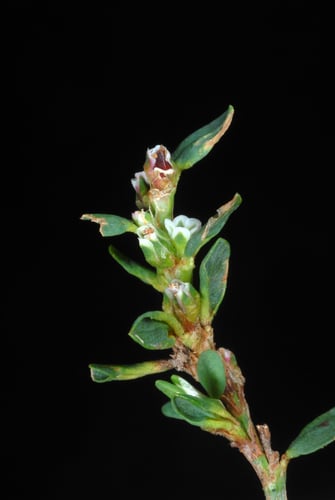
Rumex venosus
Pursh
Sour greens, Veiny Dock, Winged dock, Wild begonia, Veined dock
iNaturalist· cc-by-nc
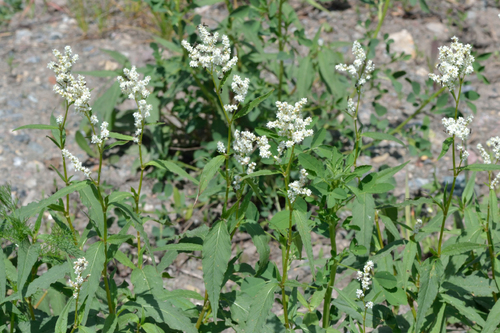
(c) Rick Williams, some rights reserved (CC BY-NC), uploaded by Rick Williams
iNaturalist· cc-by-nc
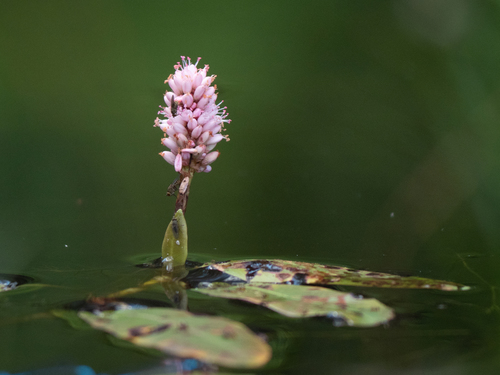
(c) Patrick H., some rights reserved (CC BY-NC)
iNaturalist· cc-by-nc
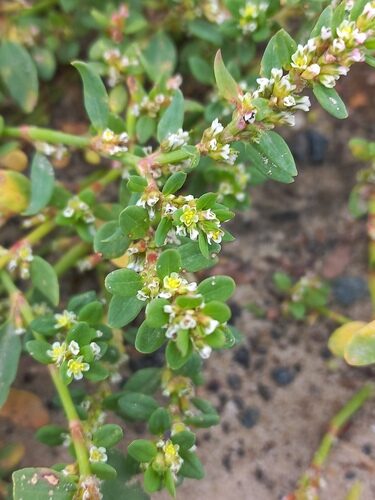
(c) Patrick H., some rights reserved (CC BY-NC)
Summary
Source: WikipediaRumex venosus is a species of flowering plant in the knotweed family known by the common names veiny dock, winged dock, sand dock, and wild-begonia (though it is not related to the genus Begonia). While not of any particular agricultural use, its cousins rhubarb and buckwheat are. It is native to central and western North America, from southern parts of the Canadian prairies, through to Mexico. It can be found in many types of habitat, including sagebrush, dunes, and other sandy areas. It is commonly found in heavily grazed pastures as livestock tend to avoid it, allowing veiny dock to spread uninhibited. It is a common food plant of the ruddy copper butterfly.
Description
A small herb. It grows 10-45 cm high. It has woody rootstock that forms runners. The leaves are alternate and simple. The stipules form sheaths. The leaves are 5-12 cm long. The flowers are greenish and small. Many flowers occur together in clusters at the ends of the stalk. The fruit is 3 angled. They are papery and with strong veins.
Edible Uses
Young leaves and young stems are both edible when cooked. The leaves are used as greens, while the stems are prepared like rhubarb.
Traditional Uses
The young stems are eaten like rhubarb.
This uses section is brief — help expand it
Medicinal Uses
The root is astringent, a blood purifier, and a tonic. A decoction has been used to treat diarrhoea, coughs and colds, influenza, pneumonia, stomach aches, kidney disorders, gall bladder problems, venereal disease, and rheumatism. An infusion has been given to women to help expel the afterbirth. The dried root can be ground into a powder and applied as a dressing on burns, wounds, and sores. A poultice made from the fresh root serves the same purpose and can also be applied to swellings. An infusion of the stems and leaves has been used as a wash on sores.
Known Hazards
Plants can contain quite high levels of oxalic acid, which is what gives the leaves of many members of this genus an acid-lemon flavour. Perfectly alright in small quantities, the leaves should not be eaten in large amounts since the oxalic acid can lock-up other nutrients in the food, especially calcium, thus causing mineral deficiencies. The oxalic acid content will be reduced if the plant is cooked. People with a tendency to rheumatism, arthritis, gout, kidney stones or hyperacidity should take especial caution if including this plant in their diet since it can aggravate their condition.
Distribution
It is a temperate plant. It grows in dry sandy soil.
Where It Grows
Canada, North America, USA,
Cultivation
Succeeds in most soils but prefers a deep fertile moderately heavy soil that is humus-rich, moisture-retentive but well-drained and a position in full-sun or part shade.
Propagation
Sow seed in spring in a cold frame. Prick seedlings out into individual pots once large enough to handle, and plant out during summer. The plant can also be divided in spring.
Other Uses
A yellow dye is obtained from the root. The roots are peeled, cut into sections about 25mm long, and spread out thinly in a sunny spot until very dry. They are then soaked in water for several days before being boiled in the same water for a long time. Alum is added to fix the colour. Adding ashes to the dye bath produces a red dye, and including the bark of Cornus stolonifera turns it black.
Notes
There are about 200 Rumex species.
References (7)
- Anderson, B. A., (Rev.) 1996, Desert Plants of Utah. Utah State University Extension p 20
- Beckstrom-Sternberg, Stephen M., and James A. Duke. "The Foodplant Database." http://probe.nalusda.gov:8300/cgi-bin/browse/foodplantdb.(ACEDB version 4.0 - data version July 1994)
- Cormack, R. G. H., 1967, Wild Flowers of Alberta. Commercial Printers Edmonton, Canada. p 78
- Fl. Amer. sept. 2:733. 1813-1814
- MacMahon, J.A., 1990, Deserts. Audubon Society Nature Guides. Knopf. p 359 Plate 46
Show all 7 references Hide references
- Moerman, D. F., 2010, Native American Ethnobotany. Timber Press. p 499
- Plants for a Future database, The Field, Penpol, Lostwithiel, Cornwall, PL22 0NG, UK. http://www.scs.leeds.ac.uk/pfaf/