Rumex mexicanus
Meisn.
Mexican dock
iNaturalist· cc-by-nc-sa
(c) 2009 Barry Breckling, some rights reserved (CC BY-NC-SA)
iNaturalist· cc-by-nc-sa
(c) MBG, some rights reserved (CC BY-NC-SA)
Summary
A perennial growing to 1 m (3ft 3in) tall and 0.5 m (1ft 8in) wide. Frost-hardy, hermaphroditic flowers pollinated by wind. Tolerates light sandy, medium loamy, and heavy clay soils, preferring well-drained conditions and moist soil. Grows in mildly acidic to basic pH and saline soils. Suited to semi-shade or full sun.
Description
A perennial growing to 1 m (3ft 3in) tall and 0.5 m (1ft 8in) wide. Frost-hardy, hermaphroditic flowers pollinated by wind. Tolerates light sandy, medium loamy, and heavy clay soils, preferring well-drained conditions and moist soil. Grows in mildly acidic to basic pH and saline soils. Suited to semi-shade or full sun.
Edible Uses
Young leaves are cooked and used as greens. The seed, though rather small and fiddly to harvest, can be cooked whole or ground into a powder for making gruel or added to cereal flours for baking bread.
Traditional Uses
The young leaves are eaten raw in salads and also cooked in soups or omlettes,
This uses section is brief — help expand it
Medicinal Uses
An infusion of the leaves has been taken by childless women to help them conceive. A strong infusion of the root has also been used for this purpose, taken four times a day — upon rising, at midday, at sunset, and before bed — for one month. An infusion of the leaves has been used for sore throats. A decoction of the white root has been used to regulate the menstrual cycle, with some suggestion it was also used to facilitate abortion. A decoction of the red root has been used to treat fevers. A poultice of crushed root has been applied to burns. A decoction of the plant has been used to treat intestinal disorders and liver complaints, and applied externally to swellings and painful joints.
Known Hazards
Plants can contain quite high levels of oxalic acid, which is what gives the leaves of many members of this genus an acid-lemon flavour. Perfectly alright in small quantities, the leaves should not be eaten in large amounts since the oxalic acid can lock-up other nutrients in the food, especially calcium, thus causing mineral deficiencies. The oxalic acid content will be reduced if the plant is cooked. People with a tendency to rheumatism, arthritis, gout, kidney stones or hyperacidity should take especial caution if including this plant in their diet since it can aggravate their condition.
Distribution
It is a temperate plant.
Where It Grows
Canada, Central America, Mexico, North America, USA,
Cultivation
Succeeds in most soils, preferring a moist moderately fertile well-drained soil in a sunny position. Plants succeed outdoors at Cambridge Botanical gardens and are growing well in Cornwall.
Propagation
Sow seed in spring in a cold frame. Once seedlings are large enough to handle, prick them out into individual pots and plant out during summer. Can also be propagated by division in spring.
Other Uses
The dried, crushed roots have been used as tinder. No dye data specific to this species has been recorded, but roots of many plants in this genus yield dark green to brown and dark grey dyes without the need for a mordant.
Notes
There are about 200 Rumex species.
Synonyms
Also Known As
Acelga
References (4)
- Astrada, E., et al, 2007, Ethnobotany in the Cumbres de Monterrey National Park, Nuevo Leon, Mexico. Journal of Ethnobiology and Ethnomedicine 3:8
- Beckstrom-Sternberg, Stephen M., and James A. Duke. "The Foodplant Database." http://probe.nalusda.gov:8300/cgi-bin/browse/foodplantdb.(ACEDB version 4.0 - data version July 1994)
- A. L. P. P. de Candolle, Prodr. 14:45. 1856
- Plants for a Future database, The Field, Penpol, Lostwithiel, Cornwall, PL22 0NG, UK. http://www.scs.leeds.ac.uk/pfaf/
More from Polygonaceae
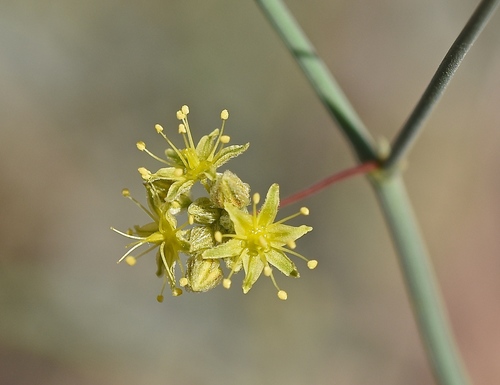
Eriogonum inflatum
American pipeweed, Desert trumpet

Eriogonum latifolium
Seaside buckwheat
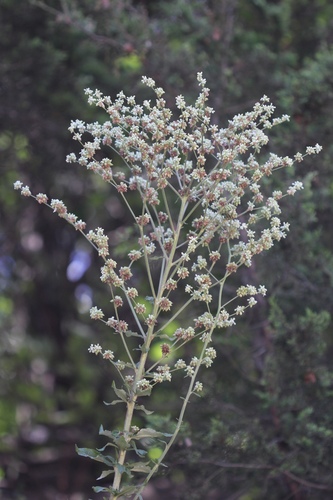
Eriogonum longifolium
Longleaf buckwheat
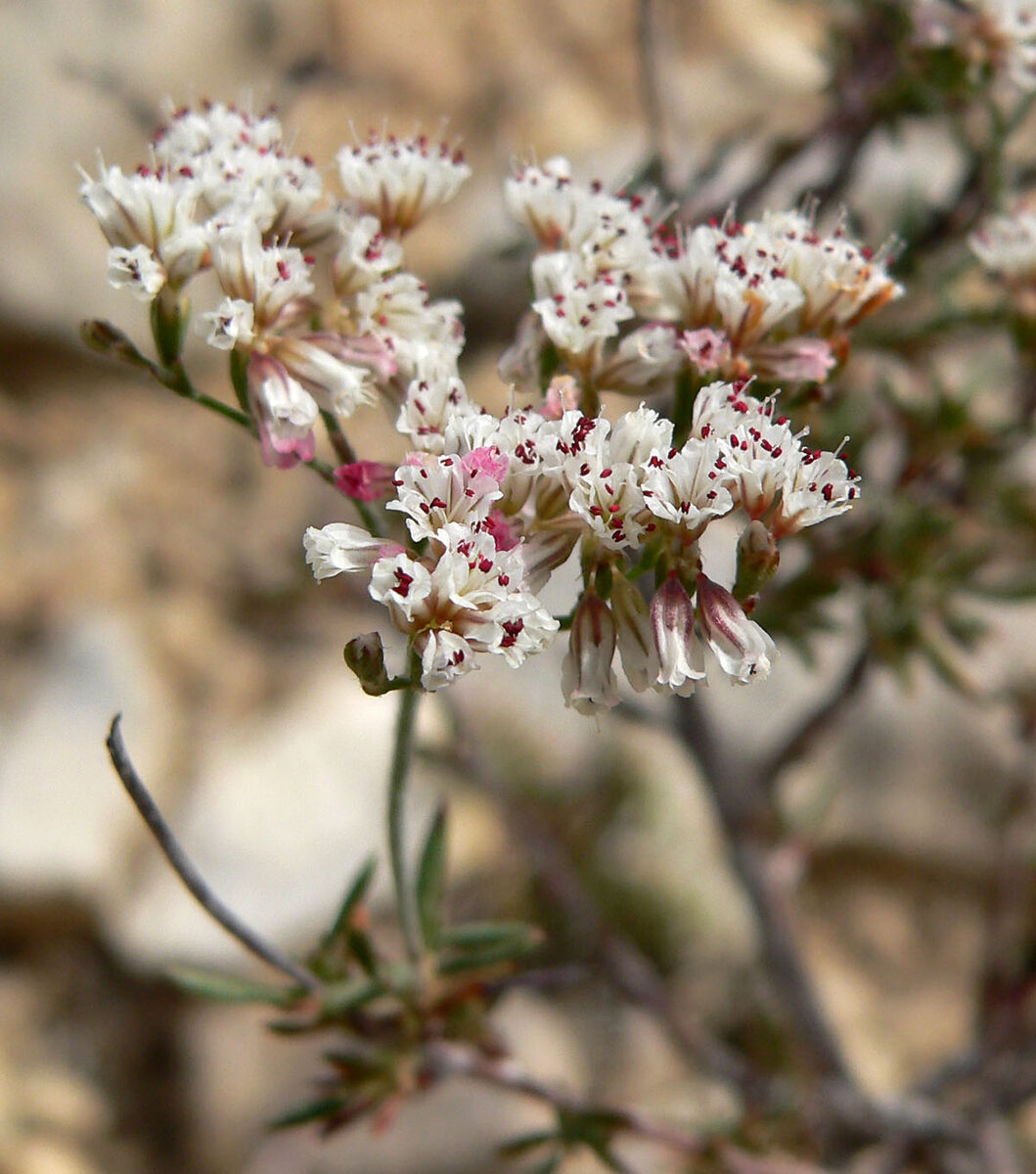
Eriogonum microthecum
Slender Buckwheat, Alpine slender buckwheat, San Bernardino buckwheat, Johnston's buckwheat, Panamin
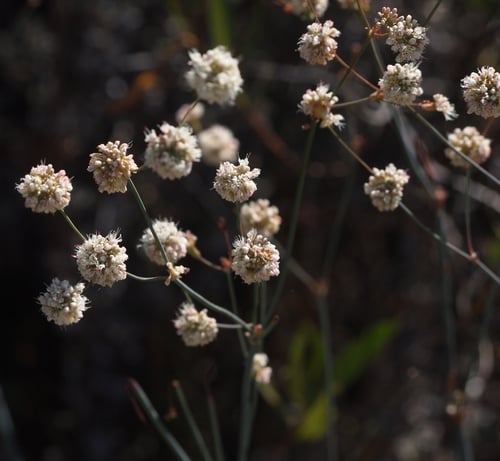
Eriogonum nudum var. oblongifolium
Naked buckwheat
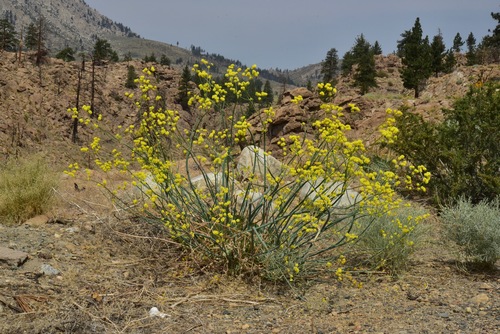
Eriogonum nudum var. pubiflorum
Naked buckwheat, Hairy flowered buckwheat