Eriogonum latifolium
Sm.
Seaside buckwheat
iNaturalist· cc-by-nc
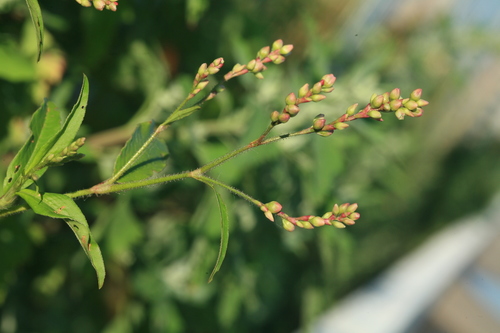
(c) Liam O'Brien, some rights reserved (CC BY-NC), uploaded by Liam O'Brien
iNaturalist· cc-by-nc
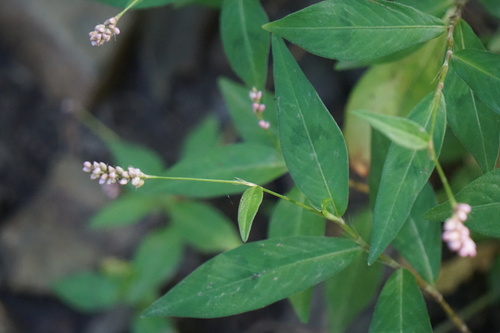
(c) Donna Pomeroy, some rights reserved (CC BY-NC), uploaded by Donna Pomeroy
iNaturalist· cc-by-nc
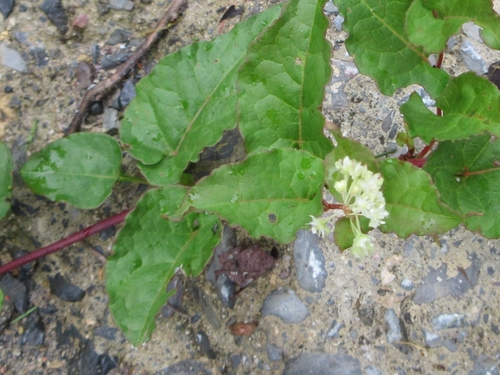
(c) Wyatt Emig, some rights reserved (CC BY-NC), uploaded by Wyatt Emig
Summary
Source: WikipediaEriogonum latifolium is a species of wild buckwheat known by the common names seaside buckwheat and coast buckwheat. This plant is native to the coastline of the western United States from Washington to central California, where it is a common resident of coastal bluffs and scrub.
Description
A herb that keeps growing from year to year. It can be 70 cm tall. The leaves are oval and woolly and are pale light green. They are mostly at the base. There is an erect flower stems with a cluster of pink flowers at the end of each branch.
Edible Uses
Young stems are tender and can be eaten raw. They are typically eaten by children in early summer.
Traditional Uses
The young stems are eaten by children.
This uses section is brief — help expand it
Medicinal Uses
A decoction of the root, stalk, and leaves has been used to treat headaches, stomach aches, coughs, and colds. A decoction made from the roots alone has been used as a wash for sore eyes.
Distribution
It is a temperate plant. It mostly grows near sea level below 100 m above sea level. It suits USDA hardiness zone 7-10.
Where It Grows
North America, USA,
Cultivation
Requires a loose lean gritty well-drained soil in a very sunny position. Succeeds in dry soils. Tolerates exposed positions. Requires some protection from winter wet. This species is not hardy in the colder areas of the country, it tolerates temperatures down to between -5 and -10°c. Established plants resent root disturbance.
Propagation
Sow seed as soon as it is ripe in autumn in a sandy compost in a greenhouse. Stored seed can be sown in early spring in a warm greenhouse. Prick seedlings into individual pots once large enough to handle and grow on under glass for at least their first winter. Plant out in late spring or early summer after the last expected frosts. Division in early spring must be done carefully, as the plant resents root disturbance. Work around the edges of the clump without lifting the whole plant, teasing out divisions with as much root as possible, then pot them up and grow in light shade in the greenhouse until well rooted before planting out in summer. Cuttings of greenwood with a heel can also be taken in summer.
Other Uses
No other uses are known for this plant.
Notes
There are 150 Eriogonum species.
References (2)
- Beckstrom-Sternberg, Stephen M., and James A. Duke. "The Foodplant Database." http://probe.nalusda.gov:8300/cgi-bin/browse/foodplantdb.(ACEDB version 4.0 - data version July 1994)
- Moerman, D. F., 2010, Native American Ethnobotany. Timber Press. p 222