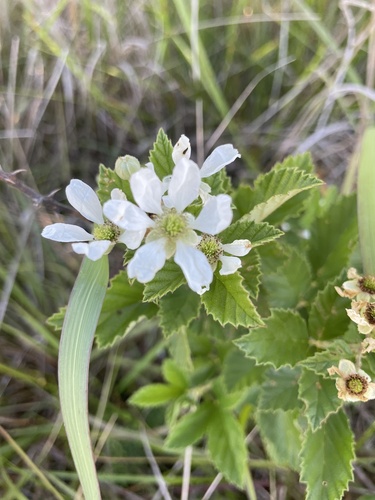
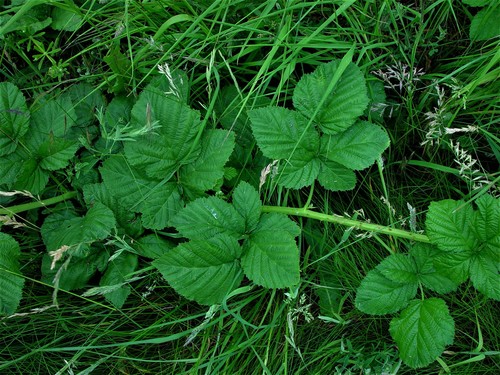
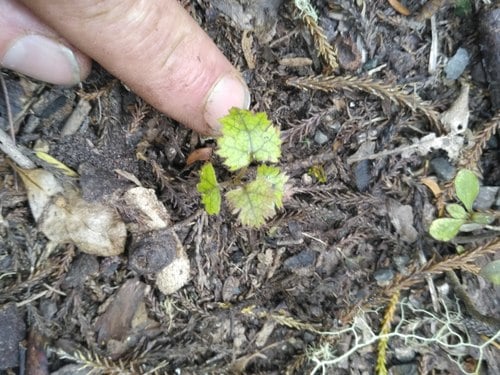
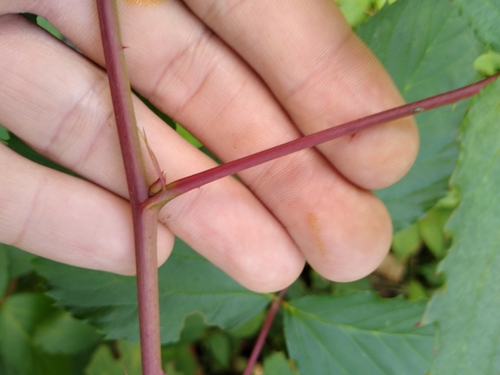
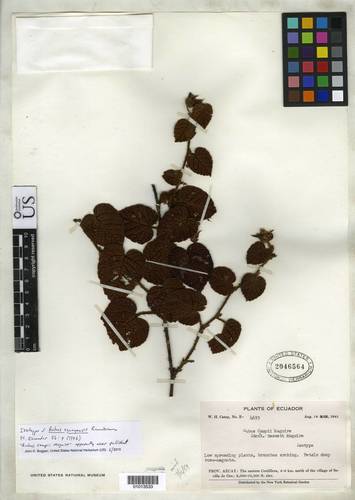
Rubus myrianthus
Baker
iNaturalist· cc0
no rights reserved, uploaded by Romer N. Rabarijaona
iNaturalist· cc-by-nc
(c) Franck Rakotonasolo, some rights reserved (CC BY-NC)
Description
A shrub in the Rosaceae family found in tropical regions.
This description is brief — help expand it
Edible Uses
The berries and fruit are edible.
Distribution
It is a tropical plant.
Where It Grows
Africa, East Africa, Madagascar,
Notes
There are about 250 Rubus species.
Dangerous Lookalikes
This plant can be confused with the following toxic species. Always verify identification carefully before consuming any wild plant.
Red Baneberry
Actaea rubra
Walter Siegmund (talk)
Rubus myrianthus
Rubus myrianthus
no rights reserved, uploaded by Romer N. Rabarijaona
Red Baneberry: Short herbaceous plant (no thorns), berries on thick red stems, each berry has a single seed, compound sharply-toothed leaves.
Rubus myrianthus: Thorny woody canes (brambles), aggregate berry made of many drupelets, berries pull easily from receptacle.
Also Known As
Voaroy saka
References (2)
- Jardin, C., 1970, List of Foods Used In Africa, FAO Nutrition Information Document Series No 2.p 159
- Styger, E., et al, 1999, Indigenous fruit trees of Madagascar: potential components of agroforestry systems to improve human nutrition and restore biological diversity. Agroforestry Systems 46: 289-310