Rubus lasiocarpus
Smith
Black raspberry, Ceylon raspberry, Hill raspberry
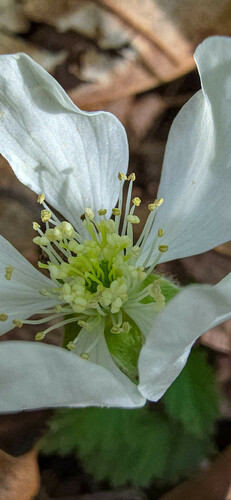
iNaturalist· cc-by-sa
(c) Douglas Goldman, some rights reserved (CC BY-SA)
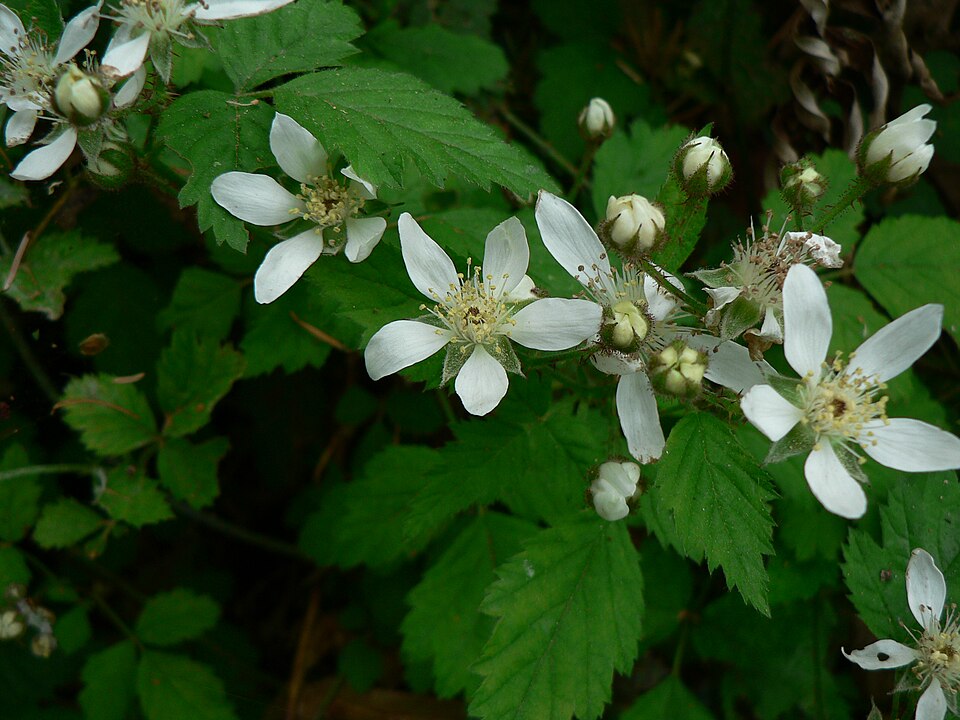
iNaturalist· cc-by-sa
(c) Douglas Goldman, some rights reserved (CC BY-SA)
iNaturalist· cc-by-sa
(c) Douglas Goldman, some rights reserved (CC BY-SA)
Description
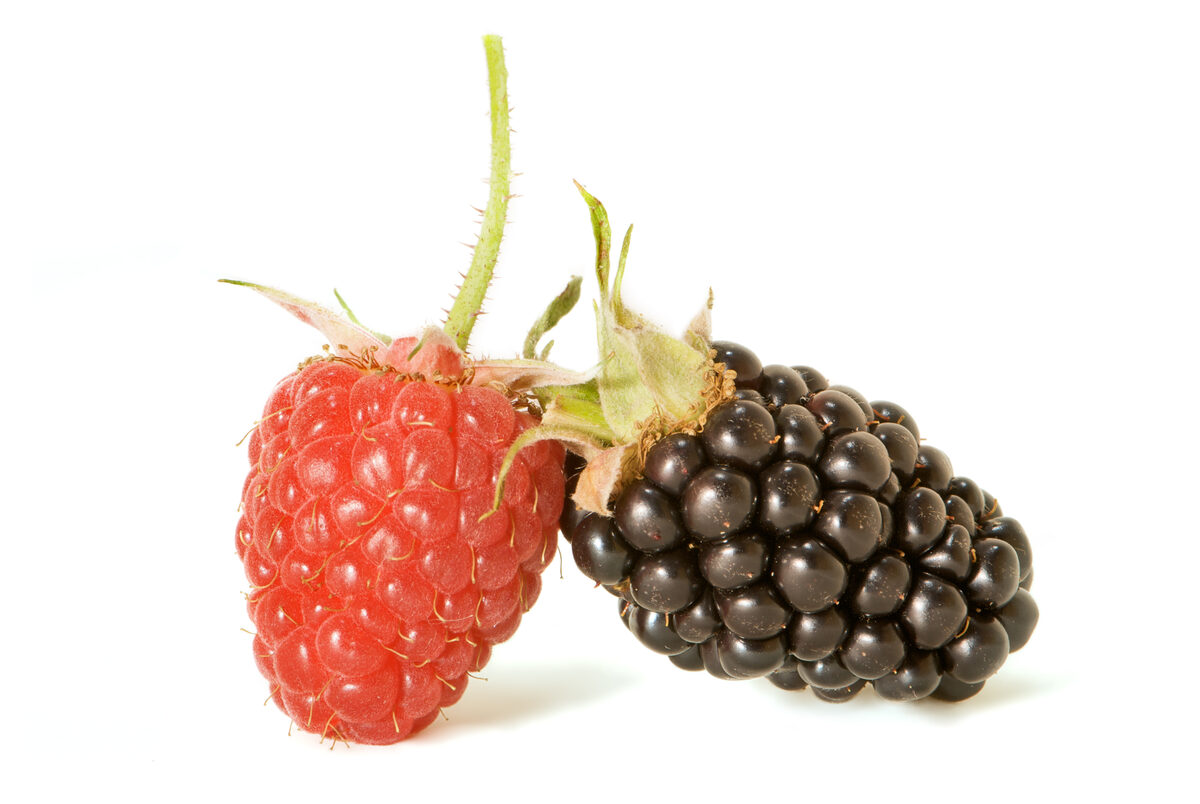
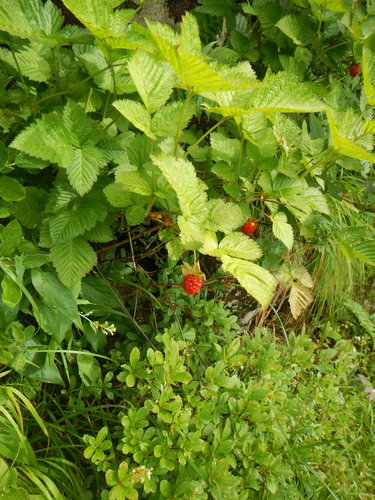
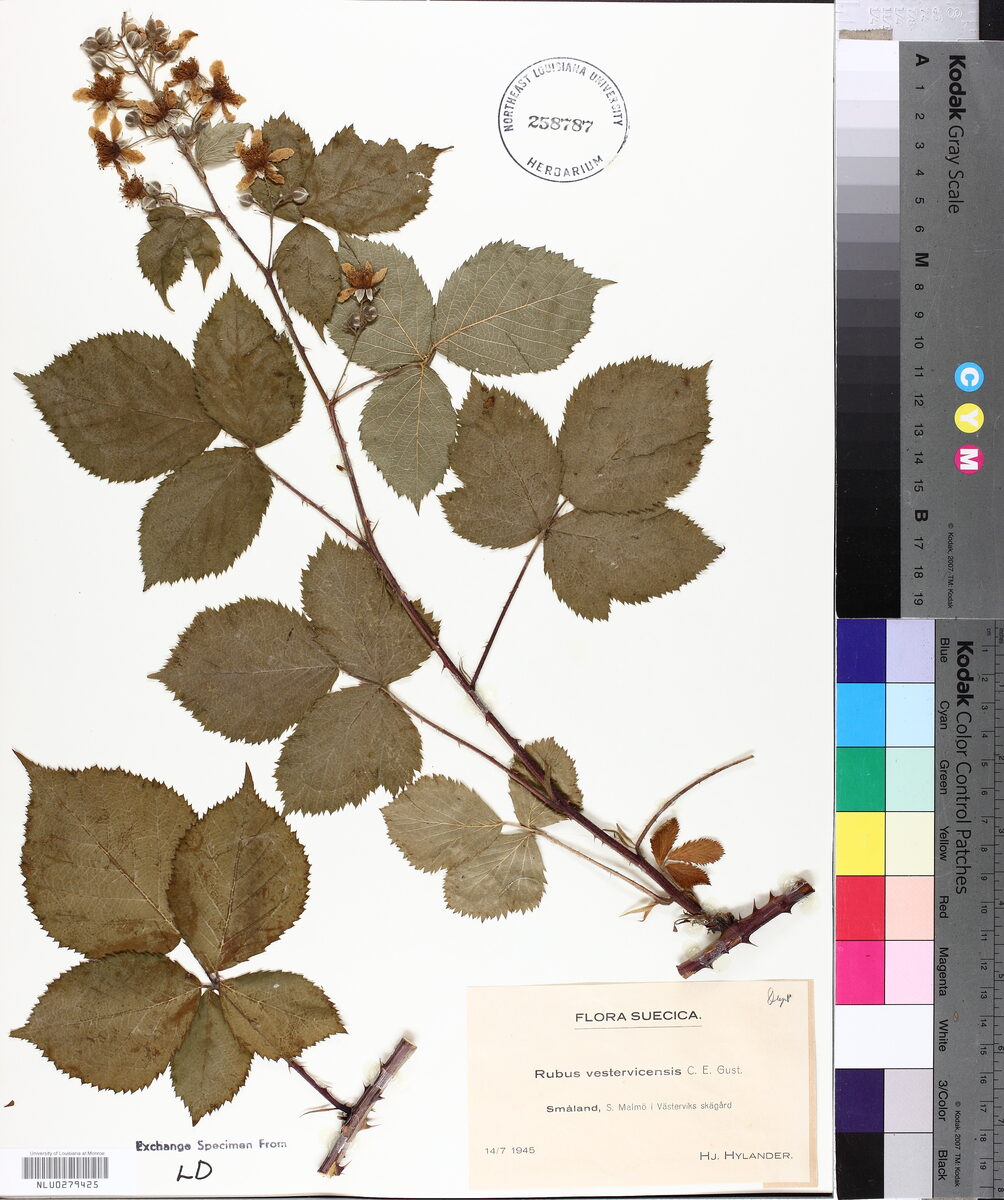
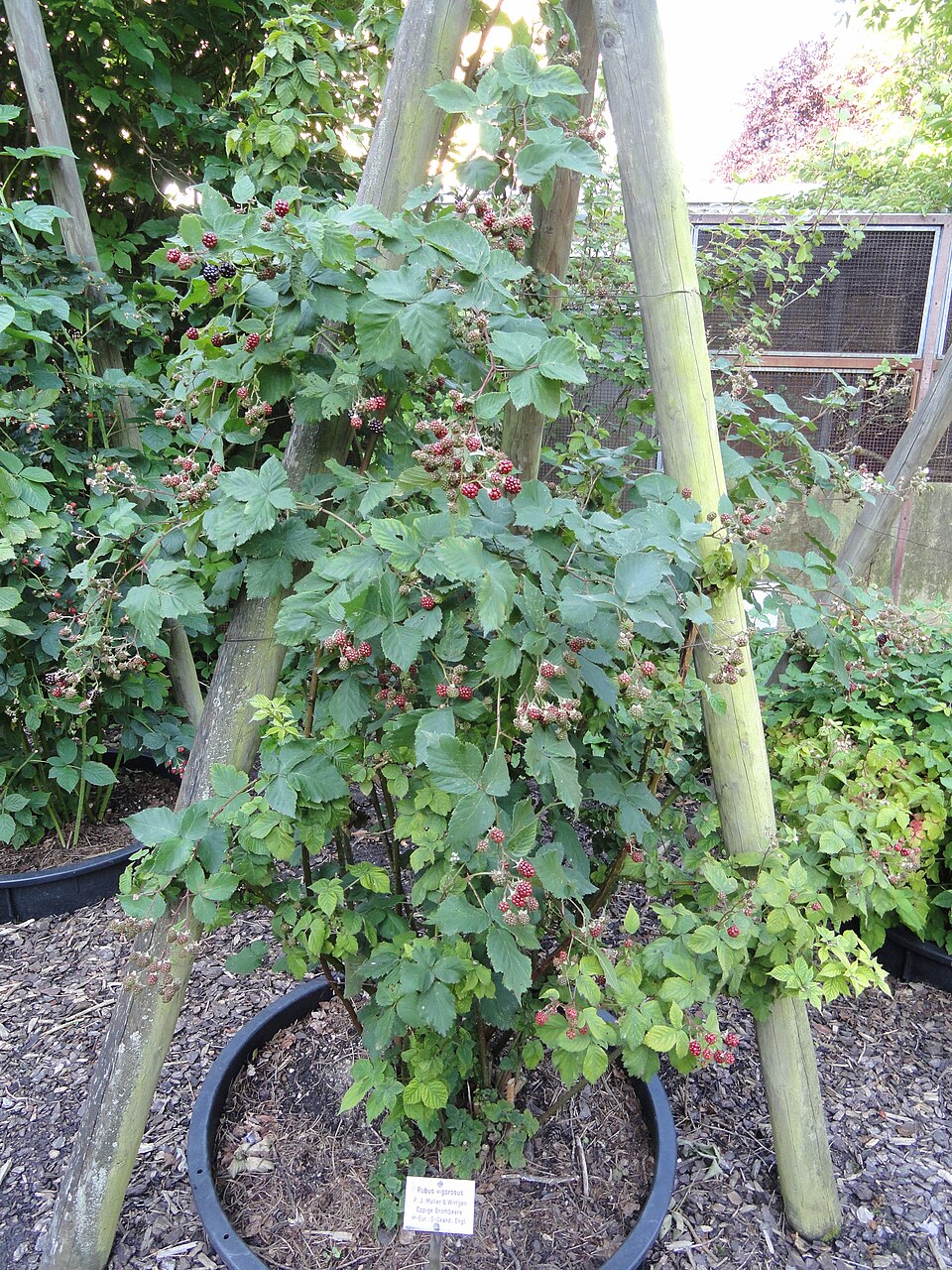
A shrub. It grows 3 m high. A long white cane with large thorns along it. It produces purple to black fruit. The fruit are 2 cm across. They are in clusters of 10-15.
Edible Uses
The fruit are eaten raw, used for drinks, jams, jellies, and desserts.
Traditional Uses
The fruit is eaten raw or used for drinks. They are also used for jams and jellies and in desserts.
This uses section is brief — help expand it
Distribution
A tropical plant. It grows in the tropical highlands. It suits areas with a well-distributed medium to high rainfall. It has been introduced from India. It grows between 800 m and 2600 m altitude.
Where It Grows
Asia, Himalayas, India, Malaysia, Myanmar, Nepal, Northeastern India, Pacific, Papua New Guinea, PNG, SE Asia, Sri Lanka,
Cultivation
It grows wild and is cultivated. New plants do not grow easily from canes. It can be grown from seed, tip layers or cuttings.
Production
Fruit are produced in 1-2 years from seed and 1 year from cuttings. Fruit mature in 90 days.
Other Information
It is gaining importance as a fruit around compounds and houses in the highlands of Papua New Guinea.
Notes
There are about 250 Rubus species.
Dangerous Lookalikes
This plant can be confused with the following toxic species. Always verify identification carefully before consuming any wild plant.
Red Baneberry
Actaea rubra
Walter Siegmund (talk)
Black raspberry
Rubus lasiocarpus
(c) Douglas Goldman, some rights reserved (CC BY-SA)
Red Baneberry: Short herbaceous plant (no thorns), berries on thick red stems, each berry has a single seed, compound sharply-toothed leaves.
Black raspberry: Thorny woody canes (brambles), aggregate berry made of many drupelets, berries pull easily from receptacle.
Nutrition
| Part | Moisture | kJ | kcal | Protein | Vit A | Vit C | Iron | Zinc |
|---|---|---|---|---|---|---|---|---|
| Fruit | 84.4 | — | 57 | 1.2 | — | — | 2 | — |
Also Known As
Aiselu, Chomoushushi, Dieng-soh-khaw-iong, Gamang, Gamaw, Kulanchoo, Lingvoom, Mvuti, Mysore raspberry, Shan-zi, Shan-zi-phyu, Shiingukateishi, Theimivom
References (12)
- Bourke, R. M., Altitudinal limits of 230 economic crop species in Papua New Guinea. Terra australis 32.
- Burkill, I.H., 1966, A Dictionary of the Economic Products of the Malay Peninsula. Ministry of Agriculture and Cooperatives, Kuala Lumpur, Malaysia. Vol 2 (I-Z) p 1951
- Chase, P. & Singh, O. P., 2016, Bioresources of Nagaland: A Case of Wild 4 Edible Fruits in Khonoma Village Forest. in J. Purkayastha (ed.), Bioprospecting of Indigenous Bioresources of North-East India. p 51
- Food Composition Tables for use in East Asia FAO http://www.fao.org/infoods/directory No. 918 (As Rubus albescens)
- French, B.R., 1986, Food Plants of Papua New Guinea, A Compendium. Asia Pacific Science Foundation p 250
Show all 12 references Hide references
- GUPTA,
- Hedrick, U.P., 1919, (Ed.), Sturtevant's edible plants of the world. p 578
- Macmillan, H.F. (Revised Barlow, H.S., et al) 1991, Tropical Planting and Gardening. Sixth edition. Malayan Nature Society. Kuala Lumpur. p 319
- Pfoze, N. L., et al, 2012, Survey and assessment of floral diversity on wild edible plants from Senapati district of Manipur, Northeast India. Journal of Biodiversity and Environmental Sciences. 1(6):50-52
- A. Rees, Cycl. 30: Rubus no. 6. 1815
- Sawian, J. T., et al, 2007, Wild edible plants of Meghalaya, North-east India. Natural Product Radiance Vol. 6(5): p 421
- Singh, H.B., Arora R.K.,1978, Wild edible Plants of India. Indian Council of Agricultural Research, New Delhi. p 70