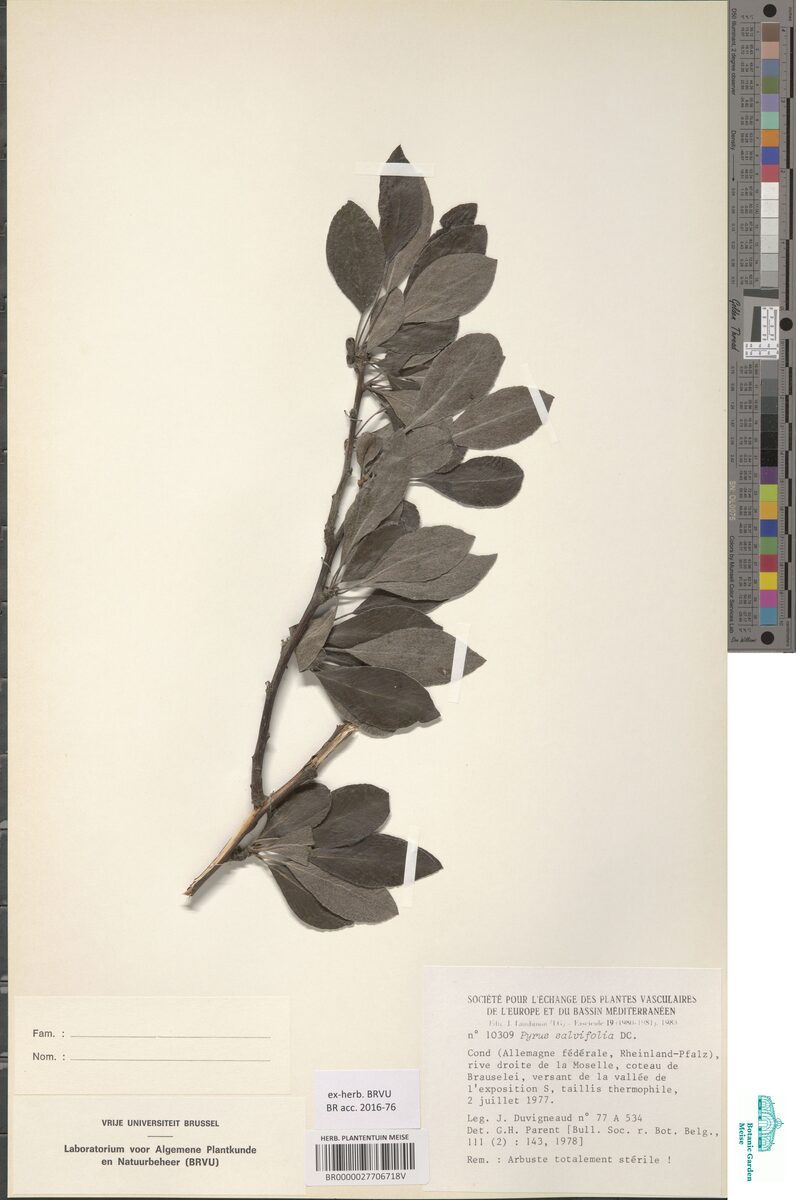
Crataegus ambigua
C. A. Mey. ex A. Beck.
Doubtful hawthorn
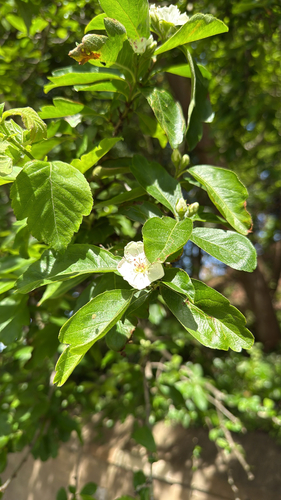
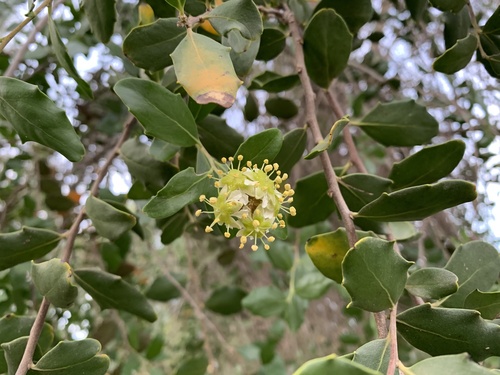
iNaturalist· cc-by
(c) Jared Shorma, some rights reserved (CC BY), uploaded by Jared Shorma
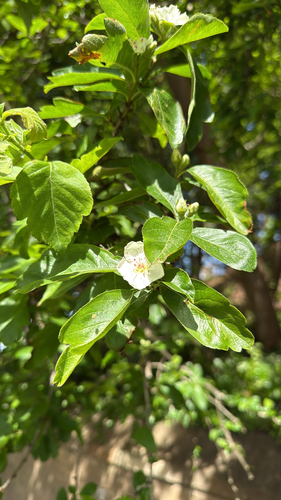
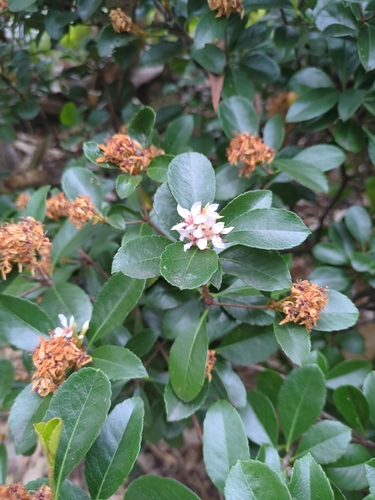
iNaturalist· cc-by-nc
(c) Anastasia Davydova, some rights reserved (CC BY-NC)
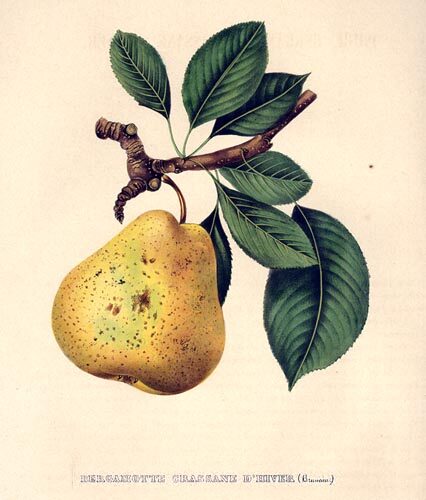
iNaturalist· cc-by-nc
(c) Anastasia Davydova, some rights reserved (CC BY-NC)
Summary
Source: WikipediaCrataegus ambigua is a species of thorn (hawthorn) native to Western Asia and Eastern Europe, including Armenia, Iran, Russia, and Turkey. It grows as a shrub or tree up to about 12 m in height. The fruit is dark red to purple or black, with one or two stones (pyrenes). Crataegus ambigua is closely related to Crataegus songarica, a species that has black fruit.
Description
A temperate hawthorn tree in the rose family. The fruit is edible and the tree is sold in local markets.
This description is brief — help expand it
Edible Uses
The fruit is eaten.
Distribution
It is a temperate plant.
Where It Grows
Armenia, Asia, Caucasus, Central Asia, Kazakhstan,
Other Information
It is sold in local markets.
Synonyms
Also Known As
Alotchani, Szni
References (2)
- Dzhangaliev, A. D., et al, 2003, The Wild Fruit and Nut Plants of Kazakhstan, Horticultural Reviews, Vol. 29. pp 305-371
- Nanagulyan, S., et al, 2020, Wild plants and fungi sold in the markets of Yerevan (Armenia). Journal of Ethnobiology and Ethnomedicine 16:26