Mesembryanthemum cordifolium
L. f.
Heart-leaved Noon-flower, Heart-leaved Iceplant
iNaturalist· cc-by-nc
(c) mvz-juangonzalezromero, some rights reserved (CC BY-NC), uploaded by mvz-juangonzalezromero
iNaturalist· cc-by-nc
(c) andreaszehm, some rights reserved (CC BY-NC), uploaded by andreaszehm
Summary
Source: WikipediaMesembryanthemum cordifolium, formerly known as Aptenia cordifolia, is a species of succulent plant in the iceplant family. It is a creeping plant that forms a carpet of flat-growing perennial herbs in groups on the ground from a base. The genus name means middle-embryo flower in reference to the position of the ovary in the flower. The specific epithet is derived from Latin for heart-shaped leaves.
Description
A succulent creeper. It grows 5 cm high and spreads 40-100 cm wide. The leaves are fleshy and heart shaped. They are 1-2 cm long. The leaves are covered with felty hairs. The flowers are 2 cm across. The are deep red to scarlet. They are yellow or white in the centre. The flowers only open when the sun shines.
Edible Uses
Both the leaves and flowers are edible.
Distribution
It is a warm temperate to subtropical plant. It is native to Southern Africa. It suits hardiness zones 9-11. It needs moisture in hot weather and can withstand dry in cool weather. It suits a gritty, well drained soil. It needs full sun. It grows on sand and in disturbed coastal heath. Melbourne Botanical Gardens.
Where It Grows
Africa, Argentina, Australia, Eswatini, Hawaii, India, North America, Pacific, South Africa*, Southern Africa, South America, Swaziland, Tasmania, USA,
Cultivation
It is grown by short tip cuttings. These root easily.
Notes
There are only 2 Aptenia species. They occur in South Africa. Also in family Mesembryanthaceae.
Synonyms
Also Known As
Baby sun-rose, Rosa del sol
References (15)
- Bodkin, F., 1991, Encyclopedia Botanica. Cornstalk publishing, p 93 (As Aptenia corifolia)
- Brickell, C. (Ed.), 1999, The Royal Horticultural Society A-Z Encyclopedia of Garden Plants. Convent Garden Books. p 127 (As Aptenia corifolia)
- Cundall, P., (ed.), 2004, Gardening Australia: flora: the gardener's bible. ABC Books. p 165(As Aptenia corifolia)
- Flora of Australia, Volume 4, Phytolaccaceae to Chenopodiaceae, Australian Government Publishing Service, Canberra (1984) p 21 (As Aptenia corifolia)
- Gartenflora 77:69. 1928 Feb (N. E. Brown, J. Bot. 66:139. 1928 May (As Aptenia corifolia)
Show all 15 references Hide references
- Hibbert, M., 2002, The Aussie Plant Finder 2002, Florilegium. p 30 (As Aptenia corifolia)
- Jardin, C., 1970, List of Foods Used In Africa, FAO Nutrition Information Document Series No 2.p 56 (As Aptenia corifolia)
- Lamberton, K (Ed.), 2004, The Australian gardening encyclodepia. Murdoch Books, NSW Australia. p 171 (As Aptenia corifolia)
- Lazarides, M. & Hince, B., 1993, Handbook of Economic Plants of Australia, CSIRO. p 23 (As Aptenia corifolia)
- Llamas, K.A., 2003, Tropical Flowering Plants. Timber Press. p 48 (As Aptenia corifolia)
- Lord, E.E., & Willis, J.H., 1999, Shrubs and Trees for Australian gardens. Lothian. p 327 (As Aptenia corifolia)
- Martin, F.W. & Ruberte, R.M., 1979, Edible Leaves of the Tropics. Antillian College Press, Mayaguez, Puerto Rico. p 172 (As Aptenia corifolia)
- Paczkowska, G. & Chapman, A.R., 2000, The Western Australian Flora. A Descriptive Catalogue. Western Australian Herbarium. p 132 (As Aptenia corifolia)
- Staples, G.W. and Herbst, D.R., 2005, A tropical Garden Flora. Bishop Museum Press, Honolulu, Hawaii. p 96 (As Aptenia corifolia)
- Terra, G.J.A., 1973, Tropical Vegetables. Communication 54e Royal Tropical Institute, Amsterdam, p 59
More from Aizoaceae
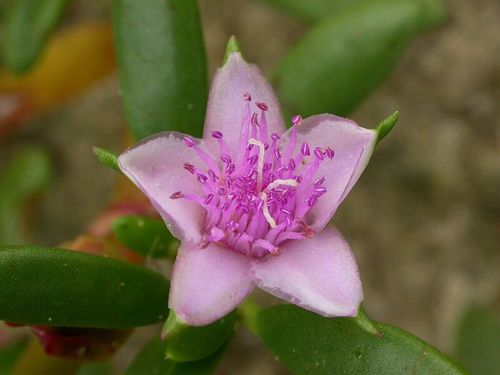
Sesuvium portulacastrum
Seaside purslane, Shoreline purslane
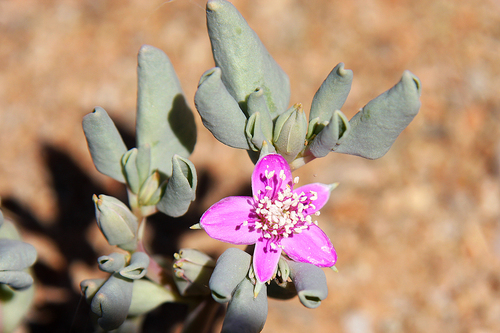
Sesuvium sesuvioides
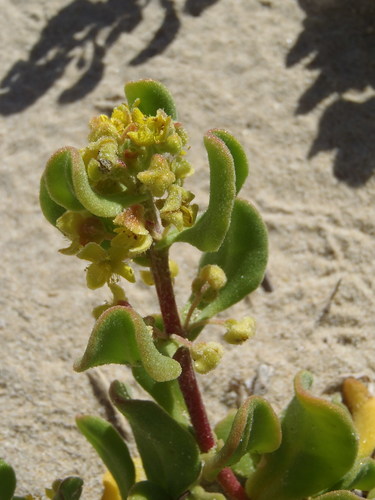
Tetragonia decumbens
South African sea spinach, Sea spinach, Dune spinach
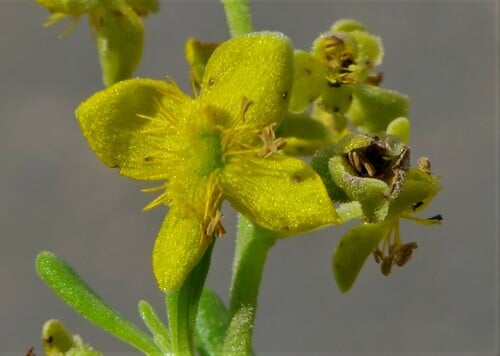
Tetragonia fruticosa
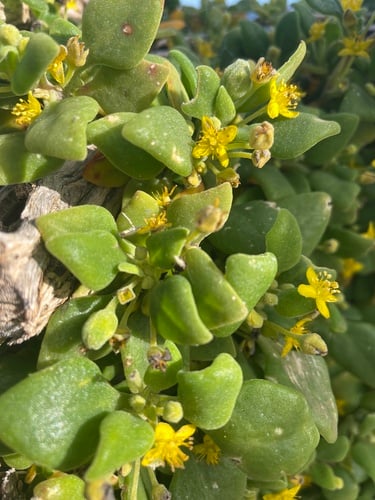
Tetragonia implexicoma
Bower spinach, Warrigal Spinach, Ice Plant
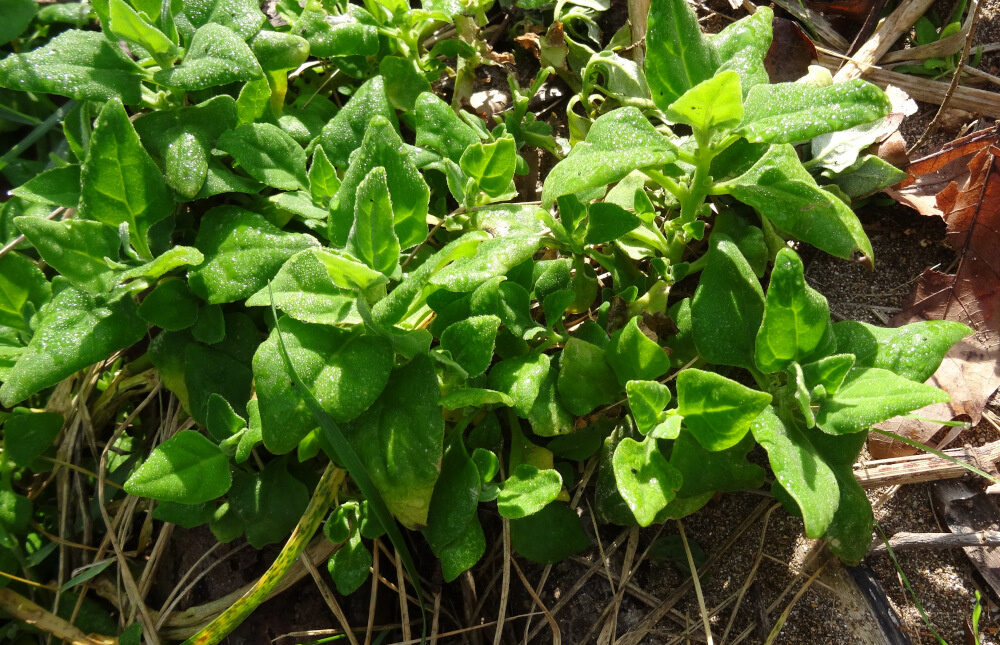
Tetragonia tetragonioides - (Pall.)Kuntze.
New Zealand Spinach