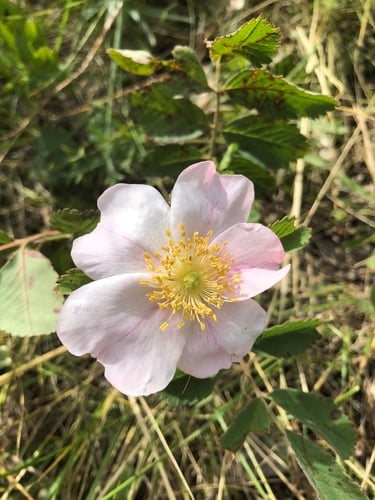
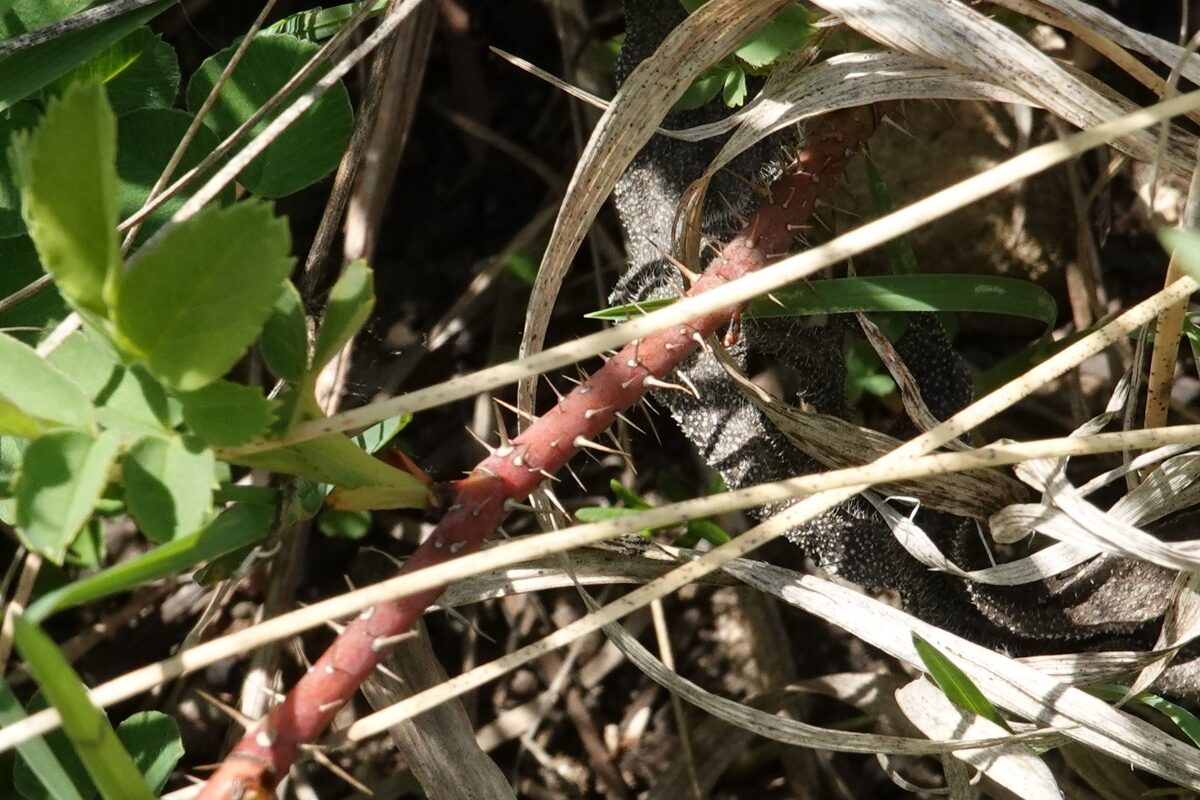
Rubus hypargyrus var. niveus
(Wall. ex D. Don) Hara
Snowpeaks Raspberry
gbif· cc-by-nc
Samantha Heller
gbif· cc-by-nc
Madrone Ruggiero
gbif· cc-by-nc
Archer Lamason
Description
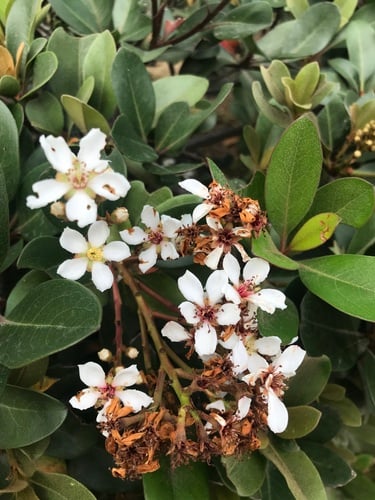
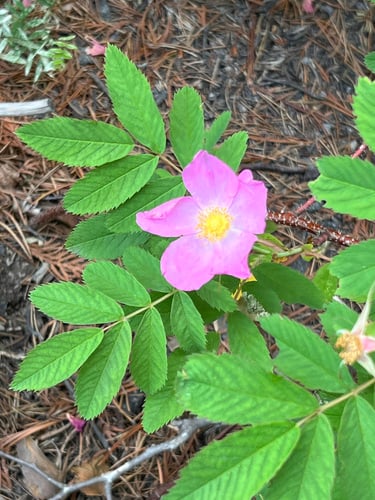
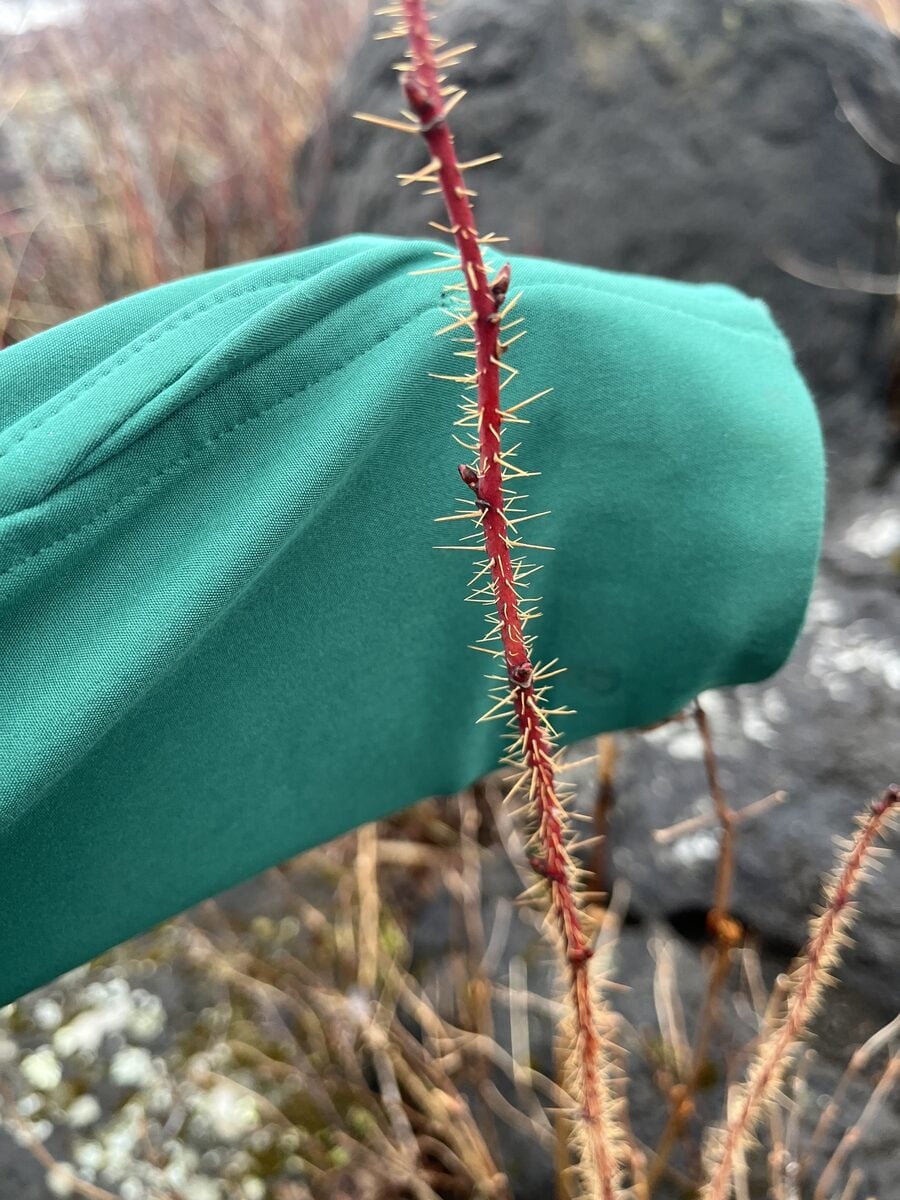
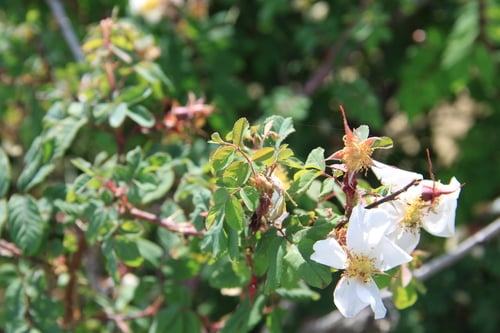
A shrub. It is straggling and spiny. It grows to 2 m high. The leaves have stalks. They are divided into 3 leaflets. The leaflets are oval with a long point. They have double teeth and are white underneath. The flowers are pinkish. The fruit are orange or red.
Edible Uses
The ripe fruit are eaten fresh.
Traditional Uses
The ripe fruit are eaten fresh.
This uses section is brief — help expand it
Distribution
In Nepal it grows at 2400-2700 m altitude. It grows in moist places in forested areas.
Where It Grows
Asia, Bhutan, China, Himalayas, India, Nepal, Sikkim, Tibet,
Cultivation
Plants can be grown from root offshoots or seeds.
Notes
There are about 250 Rubus species.
Dangerous Lookalikes
This plant can be confused with the following toxic species. Always verify identification carefully before consuming any wild plant.
Red Baneberry
Actaea rubra
Walter Siegmund (talk)
Snowpeaks Raspberry
Rubus hypargyrus var. niveus
Samantha Heller
Red Baneberry: Short herbaceous plant (no thorns), berries on thick red stems, each berry has a single seed, compound sharply-toothed leaves.
Snowpeaks Raspberry: Thorny woody canes (brambles), aggregate berry made of many drupelets, berries pull easily from receptacle.
Synonyms
Also Known As
Kali ainselu, Kalo aselu
References (5)
- Chettri, N. & Sharma, E., Non-timber Forest Produce: Utilization, Distribution and Status in the Khangchendzonga Biosphere Reserve, Sikkim, India.
- J. Jap. Bot. 53:137. 1978
- Manandhar, N.P., 2002, Plants and People of Nepal. Timber Press. Portland, Oregon. p 404
- Plants for a Future database, The Field, Penpol, Lostwithiel, Cornwall, PL22 0NG, UK. http://www.scs.leeds.ac.uk/pfaf/
- www.Efloras.org Annotated checklist of the Flowering Plants of Nepal.