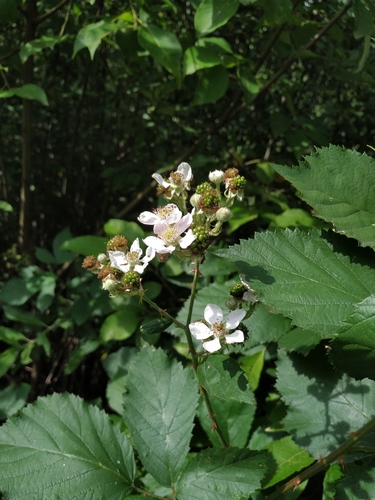
Prunus salicina
Lindl.
Japanese plum, Salicina plum, Willod-leaf cherry
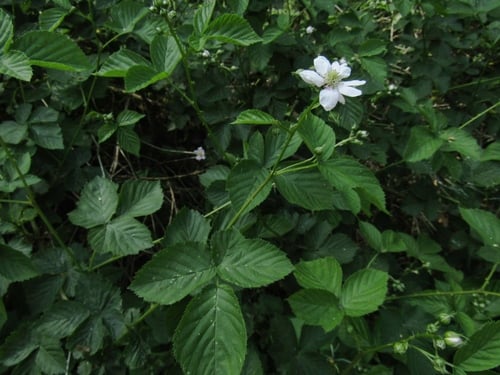
iNaturalist· cc-by-nc
(c) Shin-Ming Ku, some rights reserved (CC BY-NC), uploaded by Shin-Ming Ku
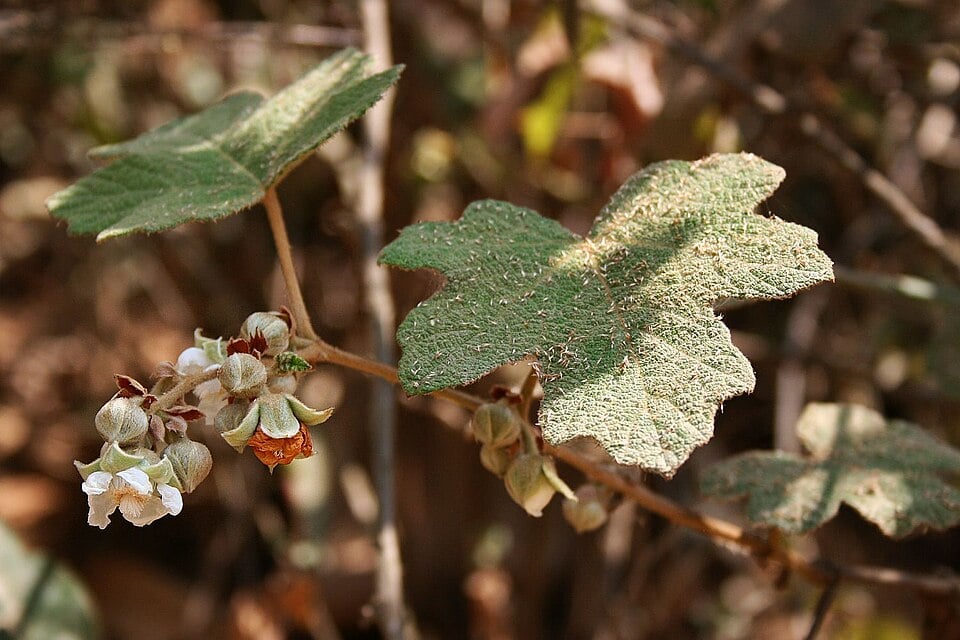
iNaturalist· cc-by-nc
(c) 山羌, some rights reserved (CC BY-NC), uploaded by 山羌
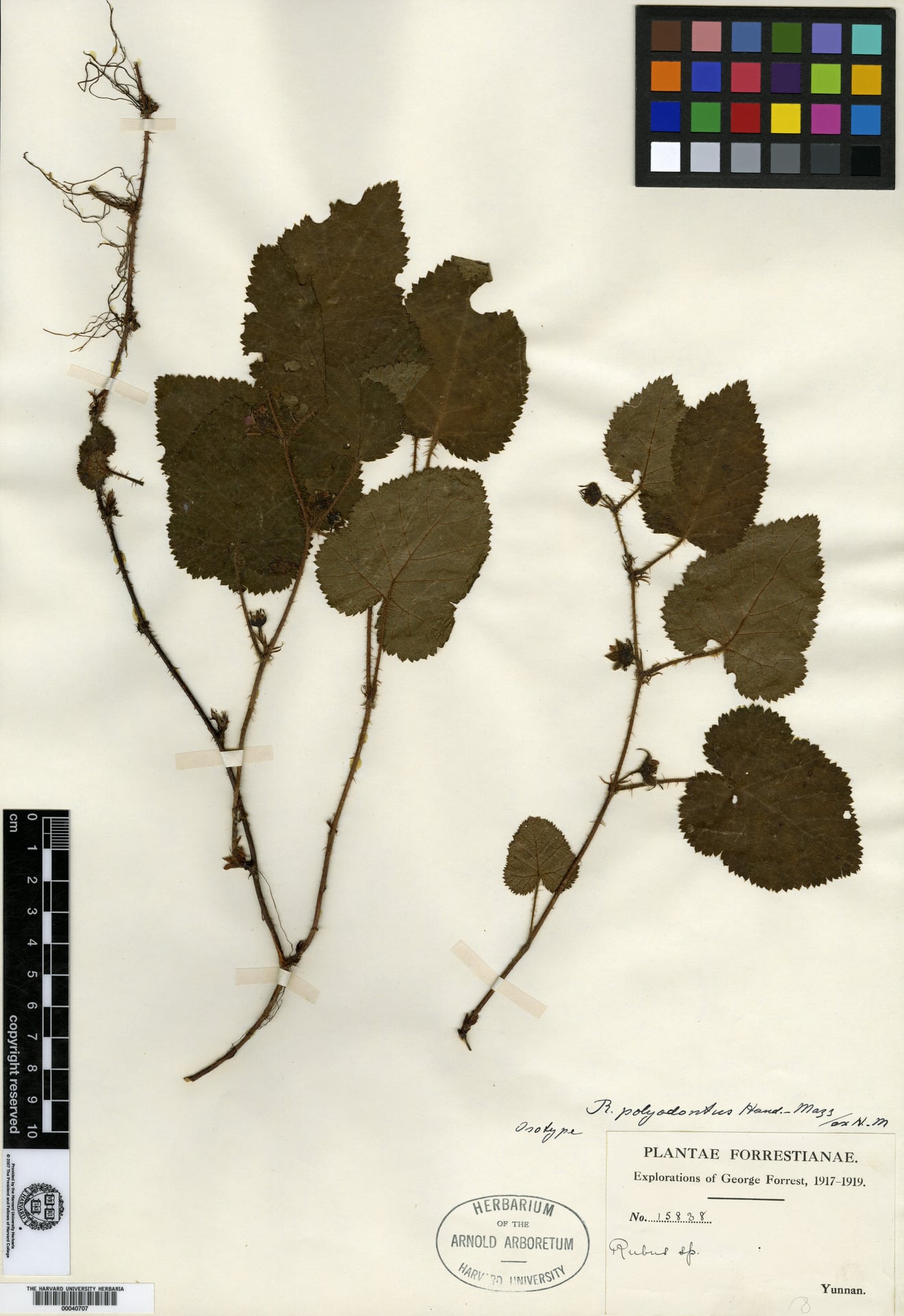
iNaturalist· cc-by-nc
(c) Stargazer, some rights reserved (CC BY-NC), uploaded by Stargazer
Summary
Source: WikipediaPrunus salicina (syn. Prunus triflora or Prunus thibetica), commonly called the Chinese plum or Japanese plum, is a small deciduous tree native to China, Taiwan and Southeast Asia. It is an introduced species in Korea, Japan, the United States, and Australia. Prunus salicina should not be confused with Prunus mume, a related species also commonly called Chinese plum. Prunus japonica is also another tree that is a separate species despite having a Latin name similar to Prunus salicina's common name.
Description
A small tree. It grows 9 m high and spreads 8 m wide. It loses its leaves during the year. The new shoots are red. The leaves are green. There are blunt teeth along the edge. The flowers are in pairs or small clusters. They are white. The fruit is about 3-5 cm across. They are reddish. They are juicy when ripe.
Edible Uses
The fruit ripens early, has a unique sweet and juicy flavour, and can be eaten fresh, made into pies or preserves, or dried for later use. It is notably resistant to rotting. The plum-shaped fruit grows up to 7cm long and contains one large seed. The seed is also edible raw or cooked, but should not be eaten if it tastes excessively bitter.
Traditional Uses
The fruit are eaten raw. They can be dried, canned stewed and made into jams, jellies, puddings, cakes, and sauces. Some varieties are used in cooking. They are brewed into wine.
Medicinal Uses
The fruit is stomachic, reputedly good for allaying thirst, and has been used in the treatment of arthritis. As with all Prunus species, this plant contains amygdalin and prunasin, which break down in water to release hydrocyanic acid (prussic acid or cyanide). In small amounts, this highly toxic compound can stimulate respiration, aid digestion, and produce a sense of well-being.
Known Hazards
As with other stone fruits, the pit and leaves are poisonous to humans, as they contain amygdalin, which breaks down to hydrogen cyanide. While poisoning from unintentional ingestion of a few pits is unlikely, it recommended to avoid ingestion, and to never consume crushed up pits.
Distribution
It grows in a subtropical climate. The chilling requirement is 300-1,000 hours below 7°C. Some low chill varieties are available. It suits hardiness zones 6-10. In Sichuan and Yunnan.
Where It Grows
Africa, Asia, Australia, Brazil, Central Asia, China*, East Africa, Ecuador, Europe, Georgia, Hawaii, India, Indochina, Japan, Korea, Laos, Madagascar, Mediterranean, Mexico, Myanmar, North America, Pacific, SE Asia, South America, Taiwan, Tajikistan, USA, Vietnam,
Cultivation
Thrives in a well-drained moisture-retentive loamy soil. Prefers some lime in the soil but is likely to become chlorotic if too much lime is present. Succeeds in sun or partial shade though it fruits better in a sunny position. This species does not grow well in Britain, the summers are not warm enough to properly ripen the wood and the springs are too unpredictable for the flowers to be fertilized. An important temperate fruit tree, it is widely cultivated in China and other regions of Asia for its edible fruit, and is being increasingly grown in N. America. There are several named varieties. This species does not cross-pollinate with the English plum, P. domestica. Most members of this genus are shallow-rooted and will produce suckers if the roots are damaged. Plants in this genus are notably susceptible to honey fungus. A sprouting standard sending up shoots from the base. Harvesting typically occurs in late summer to early autumn, with specific timing varying by species. For instance, plums and peaches are usually harvested from July to September (Northern Hemisphere), while almonds are harvested in August to September (Northern Hemisphere). Prunus species usually flower in early spring, often between March and April (Northern Hemisphere), depending on the species and local climate. Growth rates vary among species, but generally, Prunus trees can grow moderately fast, often reaching full height in 3 to 5 years. However, they may take several years to bear fruit, depending on the species and growing conditions.
Propagation
Seed requires 2–3 months of cold stratification and is best sown in a cold frame as soon as it is ripe. Stored seed should be sown in a cold frame as early in the year as possible, with protection from mice. Germination can be slow, sometimes taking up to 18 months. Prick out seedlings into individual pots when large enough to handle, overwinter in a greenhouse or cold frame, and plant out in late spring or early summer the following year. Cuttings of half-ripe wood with a heel can be taken in July/August in a frame. Softwood cuttings from vigorous plants can be taken in spring to early summer in a frame. Layering can be done in spring.
Other Uses
A green dye can be extracted from the leaves, and the fruit yields a dark grey to green dye. Prunus species can be used as windbreaks and in alley cropping systems, and support biodiversity by providing habitat for pollinators and wildlife. Wild populations of this species are primary genetic relatives of the cultivated Japanese Plum and belong to the secondary gene pool of the Apricot, Myrobalan Plum, and Peach, giving it potential as a gene donor for crop improvement. The tree can be trained as an espalier. Its flowers are rich in nectar and pollen, attracting bees, butterflies, and other pollinators. Fruits and dense foliage provide food and shelter for birds and mammals, while rough bark and leaf litter offer overwintering sites for invertebrates.
Other Information
It is a cultivated food plant. It is grown commercially.
Notes
There are about 200 Prunus species.
Nutrition
| Part | Moisture | kJ | kcal | Protein | Vit A | Vit C | Iron | Zinc |
|---|---|---|---|---|---|---|---|---|
| Fruit | 85.1 | — | 53 | 0.7 | — | — | 0.4 | — |
Synonyms
Also Known As
Ameixa-japonesa, Ameixa, Ciruelo japones, Huilizi, Huoli, Kuli, Li, Sumomo, Yelizi, Yemaili, Zemaili
References (46)
- Ambasta, S.P. (Ed.), 2000, The Useful Plants of India. CSIR India. p 497
- Arora, R. K., 2014, Diversity in Underutilized Plant Species - An Asia-Pacific Perspective. Bioversity International. p 83
- Bodkin, F., 1991, Encyclopedia Botanica. Cornstalk publishing, p 842
- Cheifetz, A., (ed), 1999, 500 popular vegetables, herbs, fruits and nuts for Australian Gardeners. Random House p 225, 230
- Cundall, P., (ed.), 2004, Gardening Australia: flora: the gardener's bible. ABC Books. p 1097
Show all 46 references Hide references
- Dobriyal, M. J. R. & Dobriyal, R., 2014, Non Wood Forest Produce an Option for Ethnic Food and Nutritional Security in India. Int. J. of Usuf. Mngt. 15(1):17-37
- Facciola, S., 1998, Cornucopia 2: a Source Book of Edible Plants. Kampong Publications, p 204
- Flora of China @ efloras.org Volume 9
- Fl. ind. ed. 1832, 2:501. 1832 (non Raf. 1820) (As Prunus triflora)
- Flowerdew, B., 2000, Complete Fruit Book. Kyle Cathie Ltd., London. p 38
- Flowerdew, B., 2000, Complete Fruit Book. Kyle Cathie Ltd., London. p 38 (As Prunus triflora)
- Food Composition Tables for use in East Asia FAO http://www.fao.org/infoods/directory No. 981
- Fu, Yongneng, et al, 2003, Relocating Plants from Swidden Fallows to Gardens in Southwestern China. Economic Botany, 57(3): 389-402
- Glowinski, L., 1999, The Complete Book of Fruit Growing in Australia. Lothian. p 58
- Hani Medicine of Xishuangbanna, 1999, p 667
- Hedrick, U.P., 1919, (Ed.), Sturtevant's edible plants of the world. p 529 (As Prunus triflora)
- Hibbert, M., 2002, The Aussie Plant Finder 2002, Florilegium. p 241
- Hu, Shiu-ying, 2005, Food Plants of China. The Chinese University Press. p 447
- Jackes, D. A., 2007, Edible Forest Gardens
- Jardin, C., 1970, List of Foods Used In Africa, FAO Nutrition Information Document Series No 2.p 156 (As Prunus triflora)
- John, L., & Stevenson, V., 1979, The Complete Book of Fruit. Angus & Robertson p 234
- Kang, Y., et al, 2012, Wild food plants and wild edible fungi in two valleys on the Qinling Mountains (Shaanxi, central China) Journal of Ethnobiology and Ethnomedicine; 9:26
- Kang, Y., et al, 2014, Wild food plants used by the Tibetans of Gongba Valley (Zouqu country, Gansu, China) Journal of Ethnobiology and Ethnomedicine 10:20
- Kermath, B. M., et al, 2014, Food Plants in the Americas: A survey of the domesticated, cultivated and wild plants used for Human food in North, Central and South America and the Caribbean. On line draft. p 715
- Kiple, K.F. & Ornelas, K.C., (eds), 2000, The Cambridge World History of Food. CUP p 1792, 1837
- Kuo, W. H. J., (Ed.) Taiwan's Ethnobotanical Database (1900-2000), http://tk.agron.ntu.edu.tw/ethnobot/DB1.htm
- Lazarides, M. & Hince, B., 1993, Handbook of Economic Plants of Australia, CSIRO. p 200
- Levy-Yamamori, R., & Taaffe, G., 2004, Garden Plants of Japan. Timber Press. p 192
- Lord, E.E., & Willis, J.H., 1999, Shrubs and Trees for Australian gardens. Lothian. p 67
- Maghradze, D. et al, 2012, Minor and Underutilized Fruits in Georgia and Their Wild Relatives. In Acta Horticulturae Number 948 p 41-47
- Pham-Hoang Ho, 1999, An Illustrated Flora of Vietnam. Nha Xuat Ban Tre. p 805
- Plants for a Future, The Field, Penpol, Lostwithiel, Cornwall, PL22 0NG, UK. http://www.scs.leeds.ac.uk/pfaf/ (Also as Prunus gymnodonta)
- PROSEA handbook Volume 9 Plants yielding non-seed carbohydrates. p 189
- Recher, P, 2001, Fruit Spirit Botanical Gardens Plant Index. www.nrg.com.au/~recher/ seedlist.html p 3
- Segura, S., et al, 2018, The edible fruit species in Mexico. Genet Resour Crop Evol (2018) 65:1767–1793
- Sharma, B.B., 2005, Growing fruits and vegetables. Publications Division. Ministry of Information and broadcasting. India. p 125
- Small, E., 2009, Top 100 Food Plants. The world's most important culinary crops. NRC Research Press. p 435
- Staples, G.W. and Herbst, D.R., 2005, A tropical Garden Flora. Bishop Museum Press, Honolulu, Hawaii. p 476
- Torre, de la, L., et al, 2008, Enciclopedia de las Plantas Útiles del Ecuador. Herbario QCA. Pontificia Universidad Católica del Ecuador. p 534
- USDA, ARS, National Genetic Resources Program. Germplasm Resources Information Network - (GRIN). [Online Database] National Germplasm Resources Laboratory, Beltsville, Maryland. Available: www.ars-grin.gov/cgi-bin/npgs/html/econ.pl (10 April 2000)
- Valder, P., 1999, The Garden Plants of China. Florilegium. p 115
- van Wyk, B., 2005, Food Plants of the World. An illustrated guide. Timber press. p 308
- Watkins, R., 1979, Cherry, plum, peach, apricot and almond, in Simmonds, N.W., (ed), Crop Plant Evolution. Longmans. London. p 242
- Wiersema, J. H. & Leon, B., 2013, World Economic Plants. A Standard Reference CRC Press. 2nd Ed. p 564
- World Checklist of Useful Plant Species 2020. Royal Botanic Gardens, Kew
- Zeven, A. C. & de West, J. M. J., 1982, Dictionary of cultivated plants and their regions of diversity. Wageningen. p 41