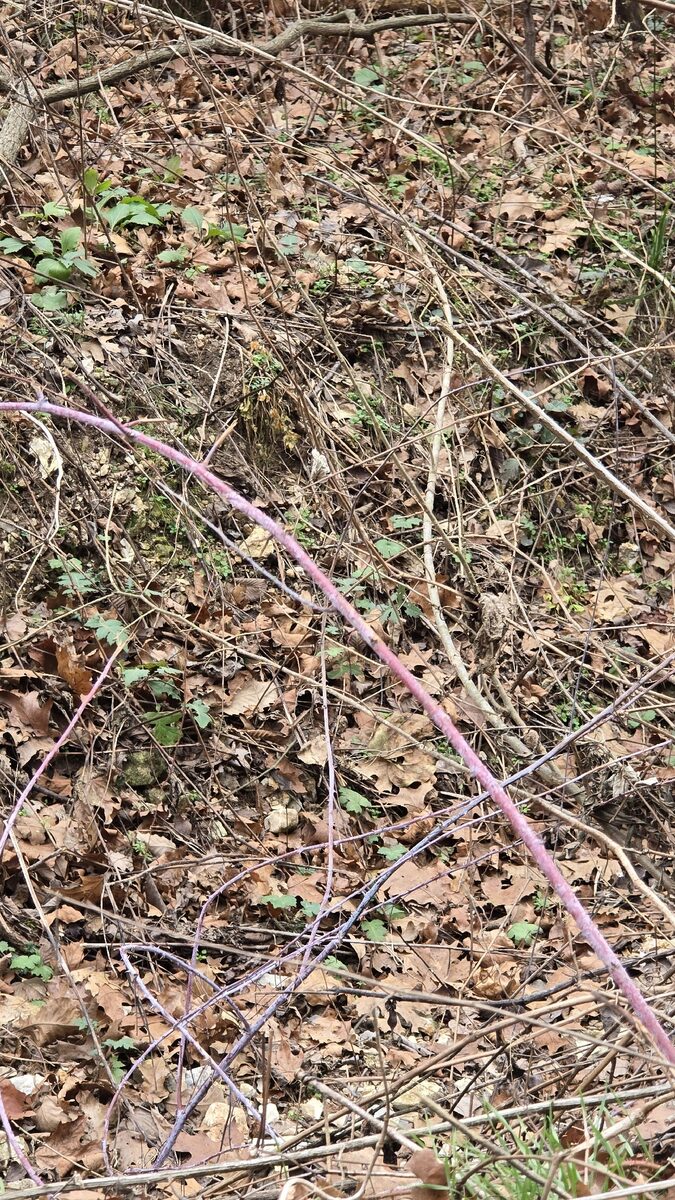
Rubus deliciosus
Torr.
Rocky Mountain raspberry, Boulder raspberry
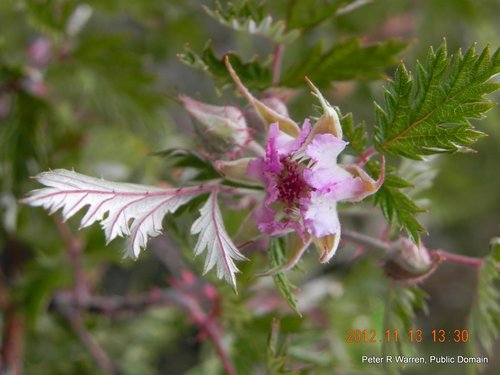
iNaturalist· cc-by-nc
(c) Jenny Smith, some rights reserved (CC BY-NC), uploaded by Jenny Smith
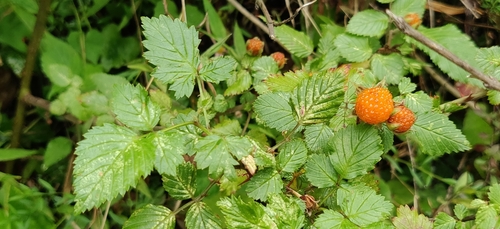
iNaturalist· cc-by-sa
(c) Douglas Goldman, some rights reserved (CC BY-SA), uploaded by Douglas Goldman
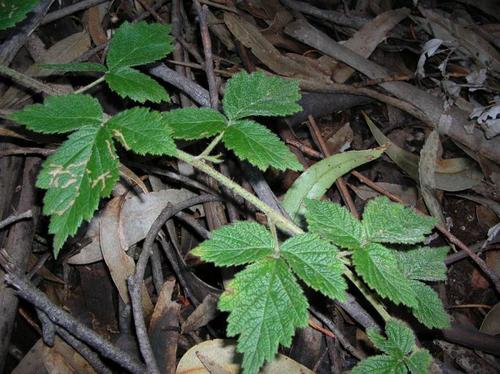
iNaturalist· cc-by-sa
(c) Douglas Goldman, some rights reserved (CC BY-SA), uploaded by Douglas Goldman
Summary
Source: WikipediaRubus deliciosus is a North American species of flowering plant in the rose family Rosaceae, native to the United States. Common names include the delicious raspberry, boulder raspberry, Rocky Mountain raspberry or snowy bramble.
Description
A deciduous shrub reaching 3m at medium growth rate, hardy to UK zone 5 and frost-hardy. Flowers May to June with seeds ripening in July. Hermaphrodite flowers pollinated by bees. Requires full sun and well-drained soil; tolerates light sandy, medium loamy, and heavy clay soils. Grows in mildly acid, neutral, or mildly alkaline conditions, preferring moist soil.
Edible Uses
The fruit can be eaten raw or cooked. It is rather dry and contains a high proportion of seeds relative to flesh, but the flavour is delicious. The hemispherical fruit is about 15mm in diameter.
Traditional Uses
The fruit are eaten raw.
This uses section is brief — help expand it
Medicinal Uses
None known.
Distribution
It is a temperate plant.
Where It Grows
North America, USA,
Cultivation
Easily grown in a good well-drained loamy soil in a sunny position. A very ornamental plant, it is hardy to about -20°c. The flowers have a delicious perfume. This species is very closely related to R. trilobus. The plant has perennial stems and should not be pruned like normal raspberries. Instead it is sufficient to prune out any dead stems. There are no prickles on the stems. Plants in this genus are notably susceptible to honey fungus.
Propagation
Seed requires stratification and is best sown in early autumn in a cold frame. Stored seed needs one month stratification at about 3°c and should be sown as early as possible in the year. Prick out seedlings when large enough to handle and grow on in a cold frame, then plant out into permanent positions in late spring of the following year. Cuttings of half-ripe wood can be taken in July/August in a frame. Division can be done in early spring or just before leaf-fall in autumn.
Other Uses
A purple to dull blue dye is obtained from the fruit.
Notes
There are about 250 Rubus species.
Dangerous Lookalikes
This plant can be confused with the following toxic species. Always verify identification carefully before consuming any wild plant.
Red Baneberry
Actaea rubra
Walter Siegmund (talk)
Rocky Mountain raspberry
Rubus deliciosus
(c) Jenny Smith, some rights reserved (CC BY-NC), uploaded by Jenny Smith
Red Baneberry: Short herbaceous plant (no thorns), berries on thick red stems, each berry has a single seed, compound sharply-toothed leaves.
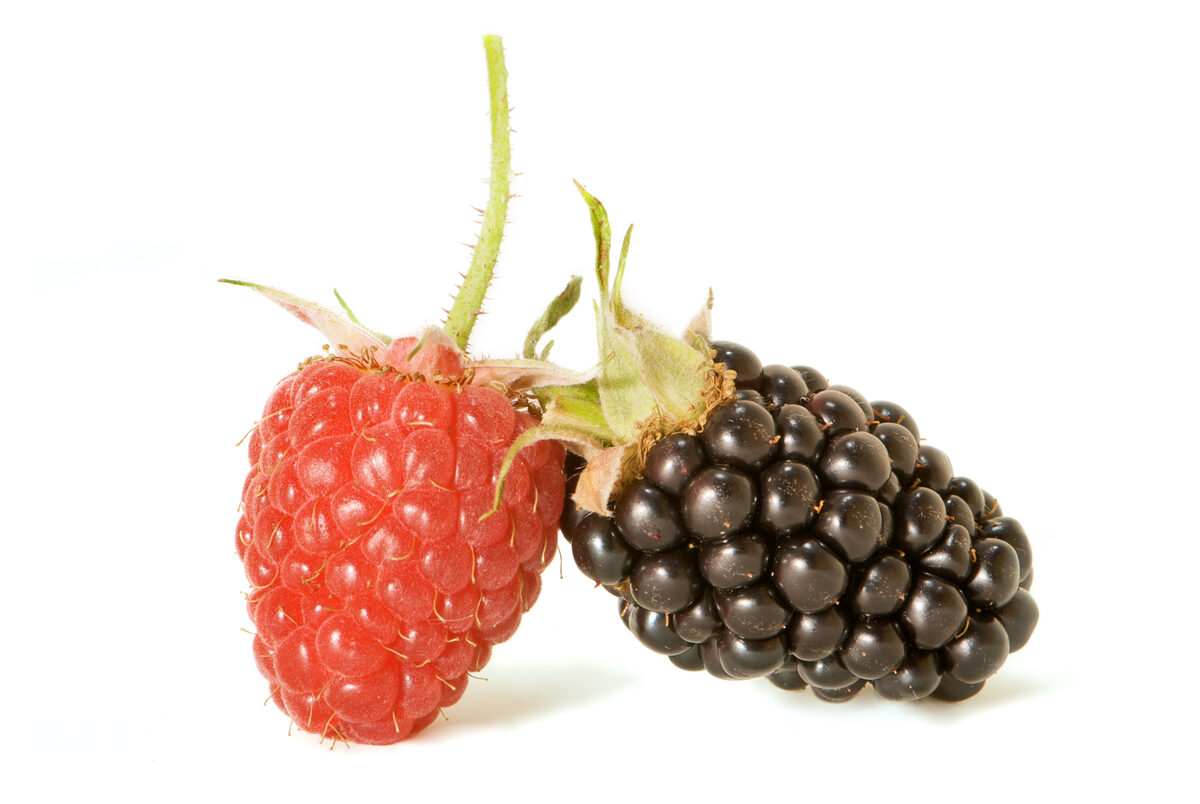
Rocky Mountain raspberry: Thorny woody canes (brambles), aggregate berry made of many drupelets, berries pull easily from receptacle.
References (7)
- Ann. Lyceum Nat. Hist. New York 2:196. 1828
- Beckstrom-Sternberg, Stephen M., and James A. Duke. "The Foodplant Database." http://probe.nalusda.gov:8300/cgi-bin/browse/foodplantdb.(ACEDB version 4.0 - data version July 1994)
- Facciola, S., 1998, Cornucopia 2: a Source Book of Edible Plants. Kampong Publications, p 208
- Kermath, B. M., et al, 2014, Food Plants in the Americas: A survey of the domesticated, cultivated and wild plants used for Human food in North, Central and South America and the Caribbean. On line draft. p 760
- Plants for a Future database, The Field, Penpol, Lostwithiel, Cornwall, PL22 0NG, UK. http://www.scs.leeds.ac.uk/pfaf/
Show all 7 references Hide references
- World Checklist of Useful Plant Species 2020. Royal Botanic Gardens, Kew
- www.eplantscience.com