Rosa x odorata
(Andrews) Sweet
Tea rose, Xiangshui Yueji, Scented monthly rose
iNaturalist· cc-by-nc
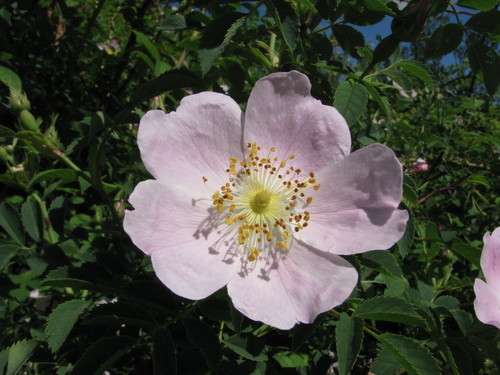
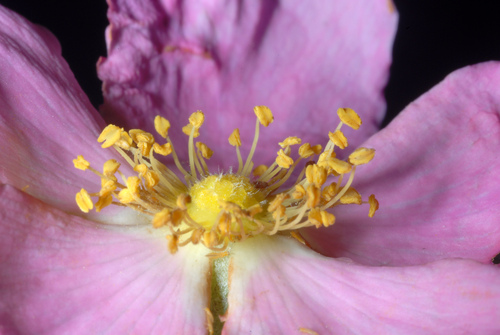
(c) Tiffany, some rights reserved (CC BY-NC)
iNaturalist· cc-by-nc
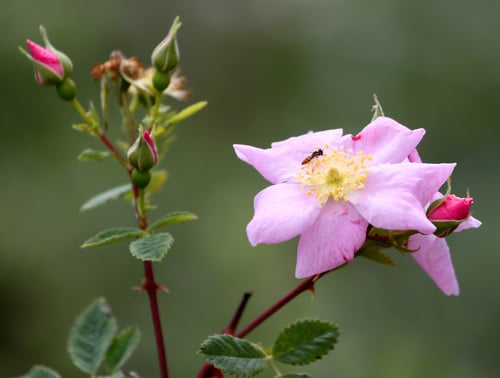
(c) Tiffany, some rights reserved (CC BY-NC)
wikimedia· cc-by
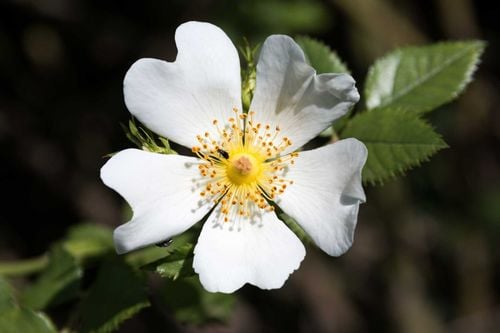
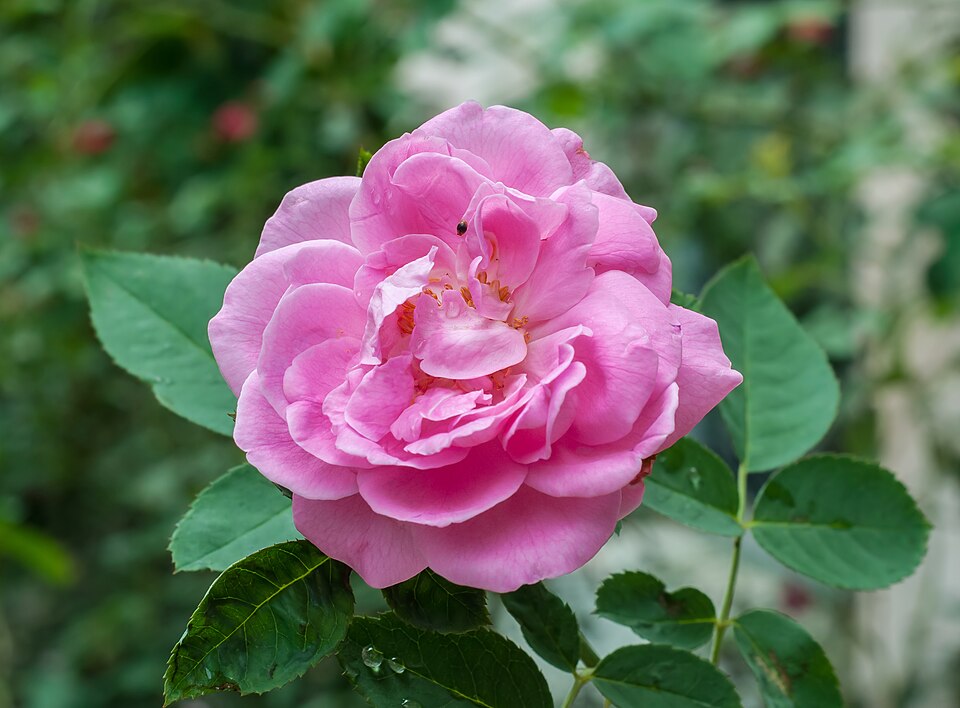
Wikimedia Commons - Cliff from Arlington, Virginia, USA
Summary
Deciduous shrub reaching 6m tall. Hardy to UK zone 7. Flowers June to September. Bee-pollinated hermaphrodite. Tolerates light sandy, medium loamy, and heavy clay soils with good drainage; grows in mildly acid to basic pH. Adapts to semi-shade or full sun and prefers moist soil.
Description
A vigorous climbing rose. The flowers can be pale pink, white or yellow. They are large and have a scent.
This description is brief — help expand it
Edible Uses
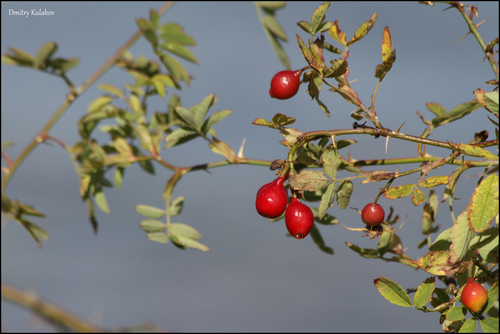
The fruit, up to 30mm in diameter, can be eaten raw or cooked, though it has only a thin layer of flesh surrounding many seeds — care should be taken when eating it (see known hazards). The seeds are a good source of vitamin E and can be ground into a powder to mix with flour or add to other foods as a supplement. Always remove the seed hairs before use.
Medicinal Uses
The fruit is very rich in vitamins A, C and E, flavonoids, and other bio-active compounds, and is also a fairly good source of essential fatty acids — an unusual quality for a fruit. It is being investigated for its potential to reduce the incidence of cancer and as a means of halting or reversing tumour growth.
Known Hazards
Care should be taken when eating the fruit — see known hazards notes.
Distribution
It is a warm temperate plant.
Where It Grows
Asia, Australia, China, Hawaii, Myanmar, Pacific, SE Asia, USA,
Propagation
Rose seed often takes two years to germinate, as it may need a warm period after a cold one to mature the embryo and reduce the seedcoat. One way to shorten this is to scarify the seed and place it in damp peat at 27–32°c for 2–3 weeks until imbibed, then hold at 3°c for 4 months until germination begins. Seed harvested green — fully developed but not yet dried on the plant — and sown immediately may germinate in late winter, though this method had not been fully tested as of 1988. Seed sown fresh in a cold frame sometimes germinates in spring but may take 18 months. Stored seed should be sown as early in the year as possible after 6 weeks stratification at 5°c, and may still take 2 years. Prick seedlings into individual pots when large enough; plant out in summer if over 25cm tall, otherwise overwinter in a cold frame and plant out in late spring. Half-ripe heel cuttings taken in July in a shaded frame, overwintered and planted out in late spring, give a high success rate. Pencil-thick shoots of mature current-season wood, 20–25cm long, taken in early autumn and placed in a sheltered spot or cold frame, take up to 12 months to establish but succeed at a high rate. Suckers divided during dormancy can be planted directly into permanent positions. Layering takes 12 months.
Other Uses
None known.
Notes
There are about 150 Rosa species and many cultivated varieties.
Synonyms
References (6)
- Benvenuti, S. & Mazzoncini, M., 2021, The Biodiversity of Edible Flowers: Discovering New Tastes and New Health Benefits. Frontiers in Plant Science Article 569499.
- Hort. suburb. Lond. 119. 1818
- Plants for a Future database, The Field, Penpol, Lostwithiel, Cornwall, PL22 0NG, UK. http://www.scs.leeds.ac.uk/pfaf/
- Rop, O., et al, 2012, Edible Flowers - A New Promising Source of Mineral Elements in Human Nutrition. Molecules 2012, 17, 6672-6683
- Staples, G.W. and Herbst, D.R., 2005, A tropical Garden Flora. Bishop Museum Press, Honolulu, Hawaii. p 481
Show all 6 references Hide references
- Valder, P., 1999, The Garden Plants of China. Florilegium. p 222