Rosa rugosa
Thunb.
Japanese Rose, Ramanas Rose, Wrinkled rose, Turkestan rose, Meigui, Mau, Humanasi, Beach rose, Hedgehog rose, Rugose rose, Tomato rose, Mei gui
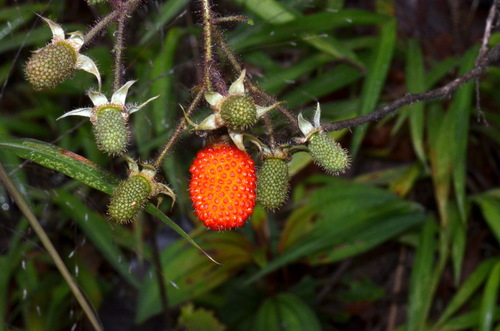
iNaturalist· cc-by-nc
(c) Emily, some rights reserved (CC BY-NC), uploaded by Emily
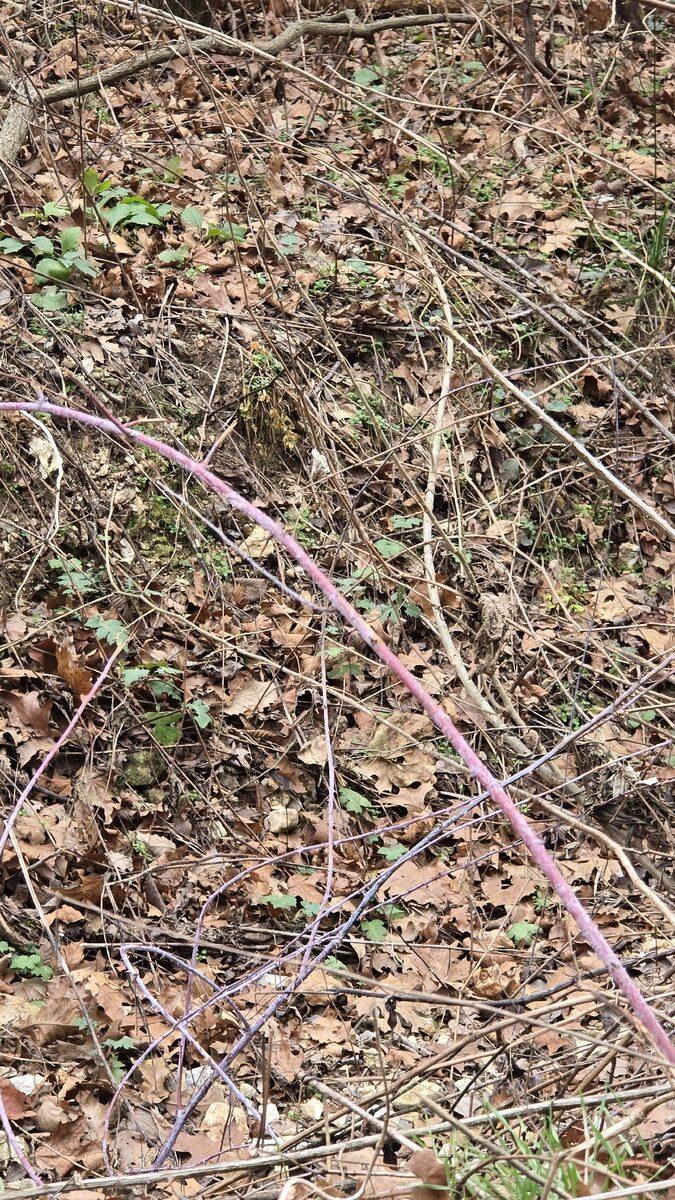
iNaturalist· cc-by-nc
(c) Cin-Ty Lee, some rights reserved (CC BY-NC)
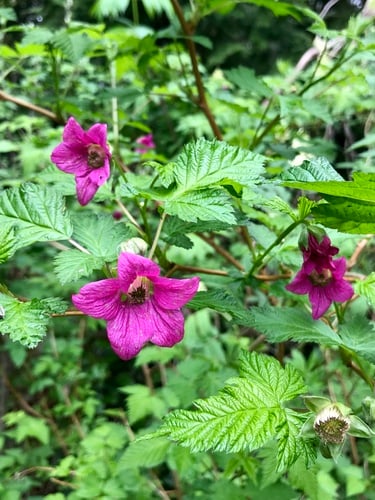
iNaturalist· cc-by-nc
(c) Emily Scherer, some rights reserved (CC BY-NC), uploaded by Emily Scherer
Summary
Source: WikipediaRosa rugosa (rugosa rose, beach rose, Japanese rose, Ramanas rose, or letchberry) is a species of rose native to eastern Asia, in northeastern China, Japan, Korea and southeastern Siberia, where it grows on beach coasts, often on sand dunes. It is naturalized in much of Europe and parts of the United States and Canada. It should not be confused with Rosa multiflora, which is also known as "Japanese rose". The Latin word "rugosa" means "wrinkled", referring to the wrinkled leaves. Often used as an ornamental plant, it has become invasive in parts of Europe, North America and South America.
Description
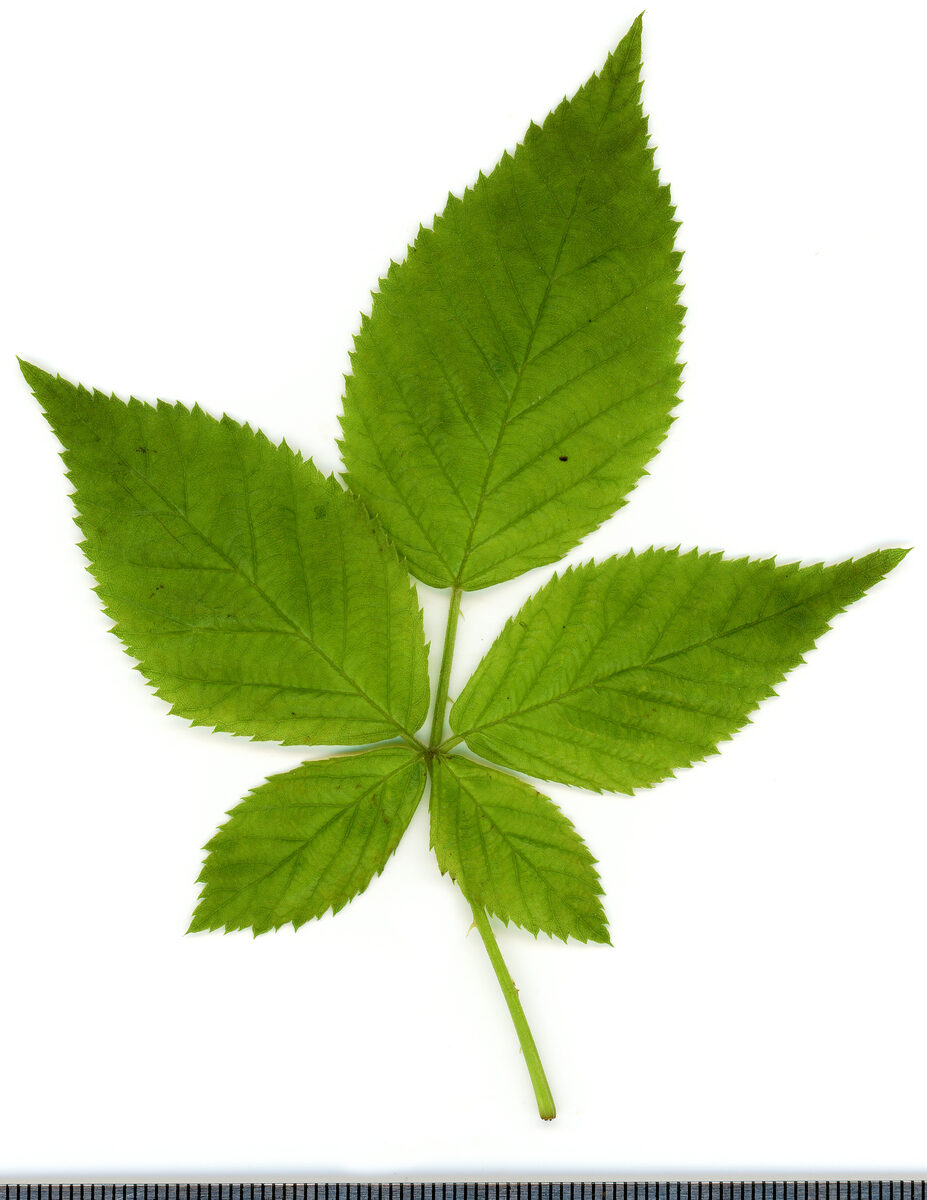
A prickly shrub. It grows 1.5-2.4 m high and spreads 1.5-2.4 m wide. It has stout prickles. The leaves are dark green and have a wrinkled surface. It loses its leaves during the year. The leaves turn orange in autumn. The flowers are purple-pink and single. The fruit are rose-hips 2.5-5 cm across. They are red.
Edible Uses
The fruit can be eaten raw or cooked and is very sweet and pleasant, though it takes patience to eat in quantity. The hips are a fairly large size for a rose, with a relatively thick layer of flesh, each about 25mm in diameter. They are rich in vitamin C, containing up to 2.75% dry weight. Care should be taken when eating the fruit — see known hazards. The flowers can be eaten raw or cooked; they have an aromatic flavour and are used in jellies and preserves — remove the bitter white base of the petals before use. Young shoots are cooked and used as a potherb, harvested as they emerge through the ground in spring while still tender. The seeds are a good source of vitamin E and can be ground into a powder and mixed with flour or added to food as a supplement; always remove the seed hairs first. The fruit makes a pleasant, fruity-flavoured tea rich in vitamin C, and the leaves can also be brewed as a tea.
Traditional Uses
The rosehips are made into wine, tea, syrup, jelly or tarts. The petals are used for scenting tea. They are also nibbled, used in salads, candied and used for jam, and syrup. The unripe fruit can be peeled, cooked and eaten. The young shoots are boiled or steamed and served as a potherb.
Medicinal Uses
The leaves are used in the treatment of fevers. The flowers act on the spleen and liver, promoting blood circulation, and are used internally to treat poor appetite and digestion and menstrual complaints arising from constrained liver energy. The root is used to treat coughs. The fruit is a very rich source of vitamins and minerals, particularly vitamins A, C, and E, flavonoids, and other bio-active compounds, and is a fairly good source of essential fatty acids, which is unusual for a fruit. It is being investigated for its potential to reduce the incidence of cancer and to halt or reverse cancer growth.
Known Hazards
There is a layer of hairs around the seeds just beneath the flesh of the fruit. These hairs can cause irritation to the mouth and digestive tract if ingested.
Distribution
It is a temperate plant. It is hardy. It will grow on most soils. It needs good drainage. It suits hardiness zones 2-9. Arboretum Tasmania.
Where It Grows
Alaska, Asia, Australia, Britain, Canada, China*, Europe, Falklands, Finland, Ireland, Japan*, Korea*, North America, Norway, Russia, Scandinavia, Slovenia, Tasmania, USA,
Cultivation
Prefers a light well-drained soil but succeeds in most soils including dry ones. Grows well in heavy clay soils. Prefers a circumneutral soil and a sunny position. Dislikes water-logged soils. Tolerates maritime exposure. Plants are said to withstand temperatures down to -50°c without damage. The foliage is said to resist disease. A very ornamental plant, it suckers freely but these are fairly easily controlled. There are a number of named varieties. 'Scabrosa' is said to be larger in all its parts, including the fruit, though it has not proved to be much larger with us. The flowers have a clove-like perfume. Grows well with alliums, parsley, mignonette and lupins. Dislikes boxwood. Garlic planted nearby can help protect the plant from disease and insect predation. Hybridizes freely with other members of this genus. Plants in this genus are notably susceptible to honey fungus. Rose hips are typically harvested in late summer to early autumn, usually from August to October (Northern Hemisphere), depending on the species. Roses usually flower from late spring to early autumn, typically between May and September (Northern Hemisphere). Growth rates vary by species, but many roses can grow moderately fast, reaching maturity within 2 to 3 years, depending on the care and conditions provided. Some species of roses are self-fertile, while others require cross-pollination with different varieties for optimal fruit (hip) production.
Propagation
Rose seed often takes two years to germinate, as it may require a warm period following a cold spell to mature the embryo and reduce the seedcoat. One approach to shorten this is to scarify the seed and place it in damp peat at 27–32°c for 2–3 weeks until it has imbibed, then keep it at 3°c for four months until germination begins. Seed harvested green — fully developed but not yet dried on the plant — and sown immediately may germinate in late winter, though this method had not been fully tested as of 1988. Seed sown fresh in a cold frame sometimes germinates in spring but may take 18 months. Stored seed should be sown as early in the year as possible and stratified for 6 weeks at 5°c; it may still take 2 years to germinate. Prick out seedlings into individual pots when large enough to handle. Plant out in summer if plants exceed 25cm, otherwise overwinter in a cold frame and plant out in late spring. Half-ripe heel cuttings taken in July in a shaded frame, overwintered and planted out in late spring, give a high success rate. Mature cuttings of pencil-thick current-season shoots, 20–25cm long, taken in early autumn and planted in a sheltered spot or cold frame, can take 12 months to establish but normally succeed at a high rate. Suckers can be divided in the dormant season and planted directly into permanent positions. Layering takes 12 months.
Other Uses
Roses are beneficial in agroforestry systems, providing ground cover, attracting pollinators, and improving biodiversity. This species makes a good low hedge and is very tolerant of maritime exposure, though it is very bare in winter. The flowers are rich in nectar and pollen, making them excellent for attracting bees, butterflies, and other pollinators. The hips provide food for birds and mammals, and the dense structure of the bush offers shelter and nesting sites for birds and small animals. The rough stems, leaf litter, and dense growth also provide overwintering sites for beneficial invertebrates.
Other Information
The hips are a traditional food of the Ainu people of Japan. It is cultivated.
Notes
They are 25 times richer in Vitamin C than oranges. There are about 150 Rosa species and many cultivated varieties. It can be invasive.
Synonyms
Also Known As
Haedanghwa, Japonski šipek, Mau-ni, Rynkerose, Shipovnik
References (39)
- Bremness, L., 1994, Herbs. Collins Eyewitness Handbooks. Harper Collins. p 121
- Brickell, C. (Ed.), 1999, The Royal Horticultural Society A-Z Encyclopedia of Garden Plants. Convent Garden Books. p 910
- Chen, B. & Qiu, Z., Consumer's Attitudes towards Edible Wild Plants, Ishikawa Prefecture, Japan. p 24 www.hindawi.com/journals/ijfr/aip/872413.pdf
- Cundall, P., (ed.), 2004, Gardening Australia: flora: the gardener's bible. ABC Books. p 1218
- Elias, T.S. & Dykeman P.A., 1990, Edible Wild Plants. A North American Field guide. Sterling, New York p 223
Show all 39 references Hide references
- Esperanca, M. J., 1988. Surviving in the wild. A glance at the wild plants and their uses. Vol. 2. p 358
- Facciola, S., 1998, Cornucopia 2: a Source Book of Edible Plants. Kampong Publications, p 207
- Farvinen, R., et al, 2010, Cutin composition of selected northern berries and seeds. Food Chemistry 122: 137-144
- Fl. jap. 213. 1784
- Flora of China @ efloras.org Volume 9
- Flowerdew, B., 2000, Complete Fruit Book. Kyle Cathie Ltd., London. p 174
- Girard, N. J., 2020, Sustainable Foraging of Wild Edible Plants in Norway. A Biocultural Approach. M. Sc. thesis Norwegian University. p 134
- Gouldstone, S., 1983, Growing your own Food-bearing Plants in Australia. Macmillan p 182
- Hedrick, U.P., 1919, (Ed.), Sturtevant's edible plants of the world. p 573
- Heller, C. A., 1962, Wild Edible and Poisonous Plants of Alaska. Univ. of Alaska Extension Service. p 42
- Hibbert, M., 2002, The Aussie Plant Finder 2002, Florilegium. p 275
- http://nordicfood lab/org/blog/2102/9/wild-edible-plants-an-overview
- http://www.botanic-gardens-ljubljana.com/en/plants
- Hu, Shiu-ying, 2005, Food Plants of China. The Chinese University Press. p 454
- Irving, M., 2009, The Forager Handbook, A Guide to the Edible Plants of Britain. Ebury Press p 277
- Jackes, D. A., 2007, Edible Forest Gardens
- John, L., & Stevenson, V., 1979, The Complete Book of Fruit. Angus & Robertson p 258
- Kermath, B. M., et al, 2014, Food Plants in the Americas: A survey of the domesticated, cultivated and wild plants used for Human food in North, Central and South America and the Caribbean. On line draft. p 755
- Kim, H. & Song, M., 2013, Ethnobotanical analysis for traditional knowledge of wild edible plants in North Jeolla Province (Korea). Genetic. Resour. Crop Evol. (2013) 60:1571-1585
- Kiple, K.F. & Ornelas, K.C., (eds), 2000, The Cambridge World History of Food. CUP p 1844
- Kolosova, V., et al, 2020, Foraging in Boreal Forest: Wild Food Plants of the Republic of Karelia, NW Russia. Foods 2020, 9, 1015; p 20
- Kremer, B.P., 1995, Shrubs in the Wild and in Gardens. Barrons. p 179
- Levy-Yamamori, R., & Taaffe, G., 2004, Garden Plants of Japan. Timber Press. p 222
- MacKinnon, A., et al, 2009, Edible & Medicinal Plants of Canada. Lone Pine. p 84
- Marinelli, J. (Ed), 2004, Plant. DK. p 467
- Plants for a Future database, The Field, Penpol, Lostwithiel, Cornwall, PL22 0NG, UK. http://www.scs.leeds.ac.uk/pfaf/
- Shikov, A. N. et al, 2017, Traditional and Current Food Use of Wild Plants Listed in the Russian Pharmacopoeia. Frontiers in Pharmacology. Vol. 8 Article 841
- Upson, R., & Lewis R., 2014, Updated Vascular Plant Checklist and Atlas for the Falkland Islands. Falklands Conservation and Kew.
- Valder, P., 1999, The Garden Plants of China. Florilegium. p 223
- van Wyk, B., 2005, Food Plants of the World. An illustrated guide. Timber press. p 325
- Williams, D., 2017, Ainu Ethnobiology. Contributions in Ethnobiology. Society of Ethnobiology. p 110
- Zeng, Y., et al, 2014, Evaluation of antioxidant activities of extracts from 19 Chinese edible flowers. SpringerPlus 2014, 3:315
- Zeven, A. C. & de West, J. M. J., 1982, Dictionary of cultivated plants and their regions of diversity. Wageningen. p 41
- Zhang, L., et al, 2016, Ethnobotanical study of traditional edible plants used by the Naxi people during droughts. Journal of Ethnobiology and Ethnomedicine. 12:39