Rosa wichuraiana
Crépin
Memorial rosa
iNaturalist· cc-by-nc
(c) Dailun Shi, some rights reserved (CC BY-NC)
iNaturalist· cc-by-nc
(c) Dailun Shi, some rights reserved (CC BY-NC)
iNaturalist· cc-by-nc
(c) Dailun Shi, some rights reserved (CC BY-NC)
Summary
Source: WikipediaA fast-growing deciduous shrub reaching 5m tall and wide. Hardy to UK zone 5. Flowers from July to September with seeds ripening October to November. Bee-pollinated hermaphrodite. Tolerates light sandy, medium loamy, and heavy clay soils with good drainage; grows in mildly acid to basic pH. Adapts to semi-shade or full sun and prefers moist soil. Can tolerate maritime exposure.
Description
A spreading shrub. It grows 1.8 m high and spreads 6 m wide. The stems can be trailing. They have stout thorns. The leaves are glossy green and the plant keeps its leaves most of the year. The flowers are single and white. They are fragrant and in clusters. The fruit are small oval, red hips.
Edible Uses
Young shoots can be eaten raw or cooked — peel them before use. The fruit is about 15mm in diameter and can be eaten raw or cooked, though only a thin layer of flesh surrounds the many seeds and care should be taken when eating it. The seeds are a good source of vitamin E; they can be ground into a powder and blended with flour or added to other foods as a supplement. Always remove the seed hairs before use.
Medicinal Uses
The plant has purgative properties. The fruit of this genus is a very rich source of vitamins and minerals, particularly vitamins A, C, and E, along with flavonoids and other bio-active compounds. It also provides a fairly good supply of essential fatty acids, which is unusual for a fruit. It is being investigated for its potential to reduce the incidence of cancer and to halt or reverse tumour growth.
Known Hazards
Fruit contains many seeds; care required when consuming due to seed content.
Distribution
It suits hardiness zones 5-10.
Where It Grows
Asia, Australia, China, Japan, Korea,
Cultivation
Succeeds in most soils, preferring a circumneutral soil and a sunny position. Grows well in heavy clay soils. Dislikes water-logged soils. Judging by the plants native habitat, it should be resistant to maritime exposure. This species usually has a procumbent habit, the stems growing along the ground and rooting at intervals. It can be trained, however, to climb and can then reach a height of 6 metres. A fast-growing plant, annual growth can reach 4 metres in length. The plant is evergreen in mild winters. Grows well with alliums, parsley, mignonette and lupins. Garlic planted nearby can help protect the plant from disease and insect predation. Grows badly with boxwood. Closely related to R. luciae. Hybridizes freely with other members of this genus. This species has very fragrant flowers, which are produced later in the season than most species roses. The leaves are also immune to mildew. For these reasons it has been much used in hybridisation programmes for producing new ornamental cultivars. Plants in this genus are notably susceptible to honey fungus.
Propagation
Rose seed frequently takes two years to germinate, as it may require a warm period following a cold spell to mature the embryo and break down the seedcoat. One approach to shorten this is to scarify the seed, then place it in damp peat at 27–32°c for 2–3 weeks to allow imbibition, followed by 4 months at 3°c, after which germination should begin. Seed harvested green — fully developed but not yet dried on the plant — and sown immediately may germinate in late winter, though this method had not been fully tested as of 1988. Seed sown fresh into a cold frame sometimes germinates in spring but may take 18 months. Stored seed should be sown as early in the year as possible and stratified for 6 weeks at 5°c; it may still take 2 years to germinate. Prick out seedlings into individual pots when large enough to handle, and plant out in summer if they exceed 25cm, or overwinter in a cold frame and plant out in late spring. Half-ripe cuttings with a heel taken in July in a shaded frame and overwintered before planting out give a high success rate. Pencil-thick cuttings of mature current-season wood, 20–25cm long, taken in early autumn and placed in a sheltered spot outdoors or in a cold frame, typically take 12 months to establish but succeed at a high rate. Suckers can be divided during dormancy and planted directly into permanent positions. Layering also works but takes 12 months.
Other Uses
Makes an excellent ground cover for sunny banks.
Notes
There are about 150 Rosa species and many cultivated varieties.
Synonyms
References (4)
- Bull. Soc. Roy. Bot. Belgique 25(2):189. 1886 (Crepin ex Deseglise, Bull. Soc. Roy. Bot. Belgique 15:204. 1876, nom. inval.)
- Cundall, P., (ed.), 2004, Gardening Australia: flora: the gardener's bible. ABC Books. p 1219
- Hibbert, M., 2002, The Aussie Plant Finder 2002, Florilegium. p 280
- Plants for a Future database, The Field, Penpol, Lostwithiel, Cornwall, PL22 0NG, UK. http://www.scs.leeds.ac.uk/pfaf/
More from Rosaceae
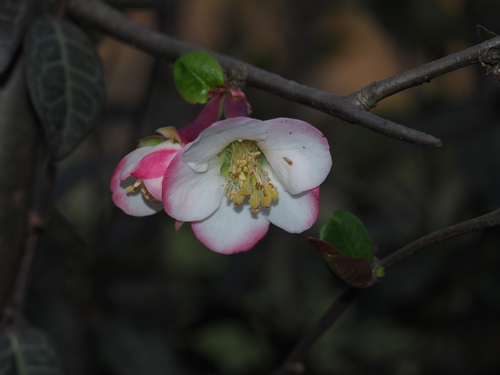
Chaenomeles cathayensis
Chinese quince, Cathay quince
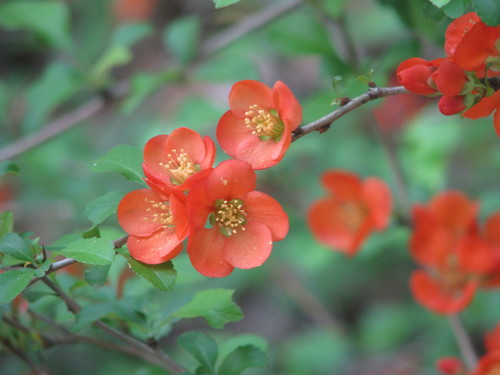
Chaenomeles japonica
Flowering quince, Japonica, Japanese quince, Dwarf quince, Riben Mugua, Maule's quince
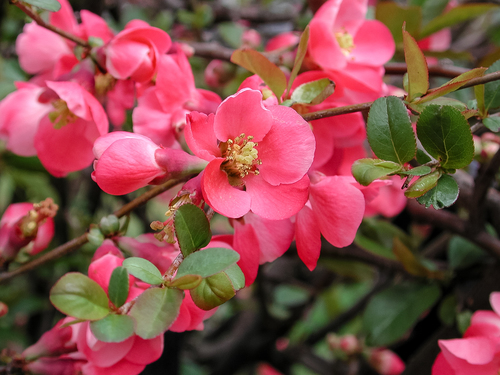
Chaenomeles speciosa
Japanese flowering quince, Chinese-quince
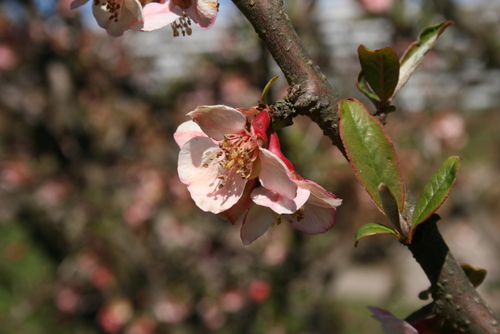
Chaenomeles thibetica
Tibetan quince
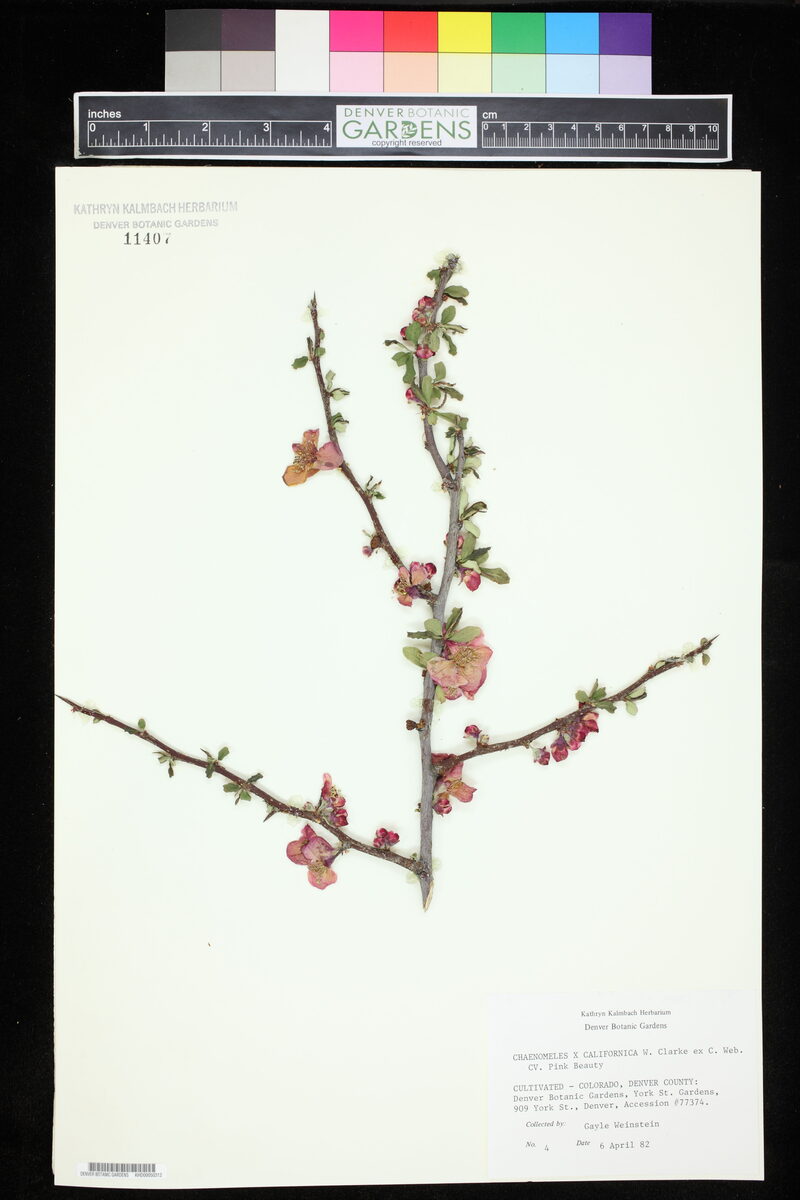
Chaenomeles x californica
California Quince
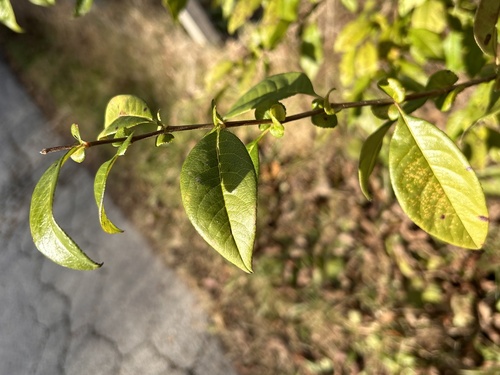
Chaenomeles x superba
Dwarf quince