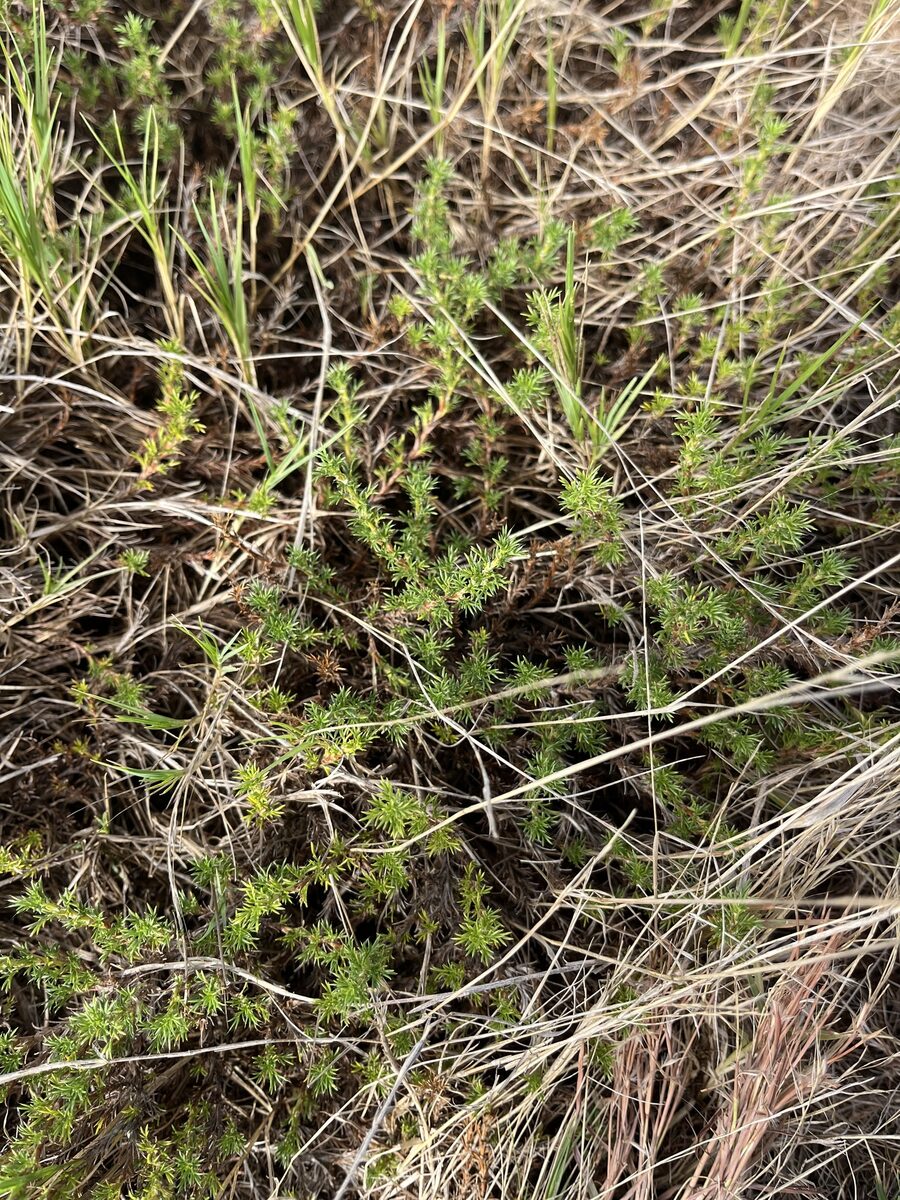
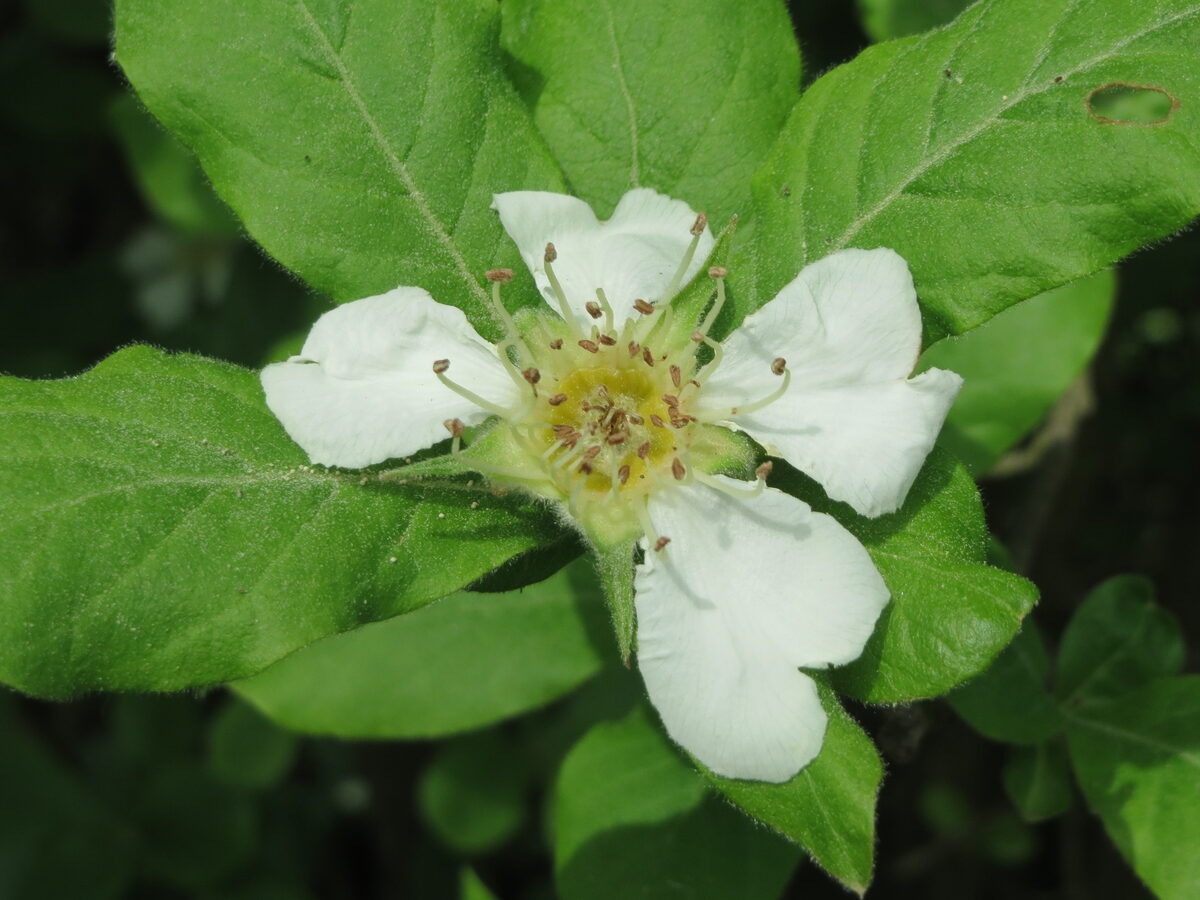
Rubus lambertianus
Seringe
iNaturalist· cc-by-nc
(c) 小铖/Smalltown, some rights reserved (CC BY-NC), uploaded by 小铖/Smalltown
iNaturalist· cc-by-nc
(c) 吉野櫻, some rights reserved (CC BY-NC)
iNaturalist· cc-by-nc
(c) 長鬃山羊, some rights reserved (CC BY-NC)
Summary
Source: WikipediaRubus lambertianus is a flowering plant species in the genus Rubus found in Southern China (including Hainan), Taiwan, Japan, and Thailand. Its ploidy is 2n = 4X (tetraploid). The ellagitannins lambertianin A, B, C and D can be found in R. lambertianus.
Description
A straggling shrub. The branches have hairs and prickles. The leaves are oval or heart shaped and 7-9 cm long by 7-8 cm wide. The flowers are white and 8 mm across. They are in groups at the ends of branches. The fruit are round.
Edible Uses
The fruit can be eaten raw or cooked. It is small and red, measuring 6–8mm in diameter.
Medicinal Uses
None known
Distribution
It is a temperate plant. It grows in moist places between 200-2,500 m above sea level. In Sichuan and Yunnan.
Where It Grows
Asia, China, Indochina, Japan, Myanmar, SE Asia, Taiwan, Thailand,
Cultivation
Easily grown in a good well-drained loamy soil in sun or semi-shade. Plants grow well in light woodland and are generally evergreen when grown in sheltered places such as a woodland. Plants in this genus are notably susceptible to honey fungus.
Propagation
Seed requires stratification and is best sown in early autumn in a cold frame. Stored seed requires one month stratification at about 3°c and should be sown as early as possible in the year. Prick out seedlings when large enough to handle and grow on in a cold frame, then plant out into permanent positions in late spring of the following year. Cuttings of half-ripe wood can be taken in July/August in a frame. Tip layering can be done in July, with plants set out in autumn. Division is possible in early spring or just before leaf-fall in autumn.
Other Uses
A purple to dull blue dye is obtained from the fruit.
Notes
There are about 250 Rubus species.
Dangerous Lookalikes
This plant can be confused with the following toxic species. Always verify identification carefully before consuming any wild plant.
Red Baneberry
Actaea rubra
Walter Siegmund (talk)
Rubus lambertianus
Rubus lambertianus
(c) 小铖/Smalltown, some rights reserved (CC BY-NC), uploaded by 小铖/Smalltown
Red Baneberry: Short herbaceous plant (no thorns), berries on thick red stems, each berry has a single seed, compound sharply-toothed leaves.
Rubus lambertianus: Thorny woody canes (brambles), aggregate berry made of many drupelets, berries pull easily from receptacle.
References (4)
- A. P. de Candolle, Prodr. 2:567. 1825
- Flora of China @ efloras.org Volume 9
- Hu, Shiu-ying, 2005, Food Plants of China. The Chinese University Press. p 458
- Plants for a Future database, The Field, Penpol, Lostwithiel, Cornwall, PL22 0NG, UK. http://www.scs.leeds.ac.uk/pfaf/