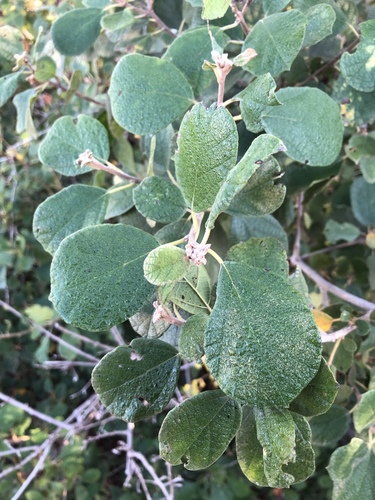
Romanzoffia suksdorfii
Greene
California Mistmaiden
iNaturalist· cc-by-nc
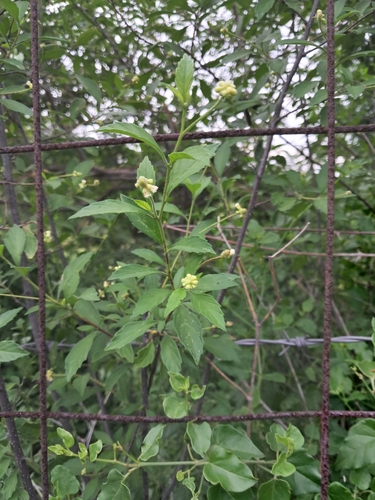
(c) naturepickard, some rights reserved (CC BY-NC)
iNaturalist· cc-by-nc
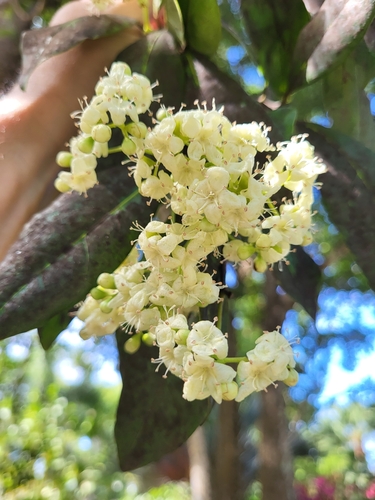
(c) J. Bagratuni, some rights reserved (CC BY-NC)
iNaturalist· cc-by-nc
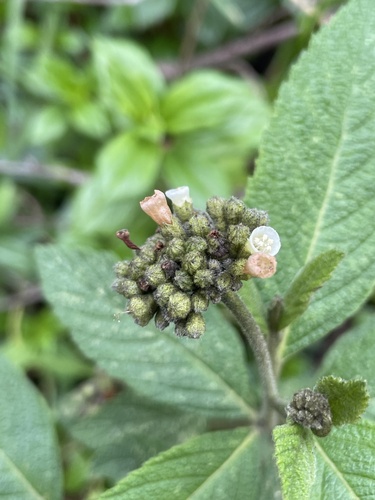
(c) J. Bagratuni, some rights reserved (CC BY-NC)
Summary
A small perennial reaching 0.3 m tall. Hardy to UK zone 7. Flowers in April. Hermaphroditic flowers present. Tolerates light sandy, medium loamy, and heavy clay soils with preference for well-drained conditions. Grows in mildly acidic or neutral soils. Tolerates full shade to semi-shade. Prefers moist soil.
Description
A small perennial reaching 0.3 m tall. Hardy to UK zone 7. Flowers in April. Hermaphroditic flowers present. Tolerates light sandy, medium loamy, and heavy clay soils with preference for well-drained conditions. Grows in mildly acidic or neutral soils. Tolerates full shade to semi-shade. Prefers moist soil.
Edible Uses
The leaves are edible raw.
Medicinal Uses
None known
Distribution
It is a temperate plant.
Where It Grows
North America, USA,
Cultivation
Requires a well-drained moist gritty lime-free humus-rich soil in a cool position in semi to full shade. This species is very closely related to R. sitchensis.
Propagation
No specific information is available for this species, but sowing seed as soon as it is ripe in a greenhouse is recommended. Stored seed can be sown in early spring in a greenhouse. Prick seedlings out into individual pots when large enough to handle and grow on in the greenhouse through their first winter, then plant out in late spring or early summer after the last expected frosts. Division can be done when the plant is dormant.
Other Uses
None known
Notes
Also put in the family Hydrophyllaceae.
Synonyms
References (2)
- Heywood, V.H., Brummitt, R.K., Culham, A., and Seberg, O. 2007, Flowering Plant Families of the World. Royal Botanical Gardens, Kew. p 171 (Genus)
- Plants for a Future database, The Field, Penpol, Lostwithiel, Cornwall, PL22 0NG, UK. http://www.scs.leeds.ac.uk/pfaf/