Ribes montigenum
McClatchie
Subapline prickly currant, Gooseberry-currant
iNaturalist· cc-by-nc-nd
(c) Valerie Norton, some rights reserved (CC BY-NC-ND), uploaded by Valerie Norton
iNaturalist· cc-by-nc-nd
(c) David Greenberger, some rights reserved (CC BY-NC-ND), uploaded by David Greenberger
iNaturalist· cc0
no rights reserved
Summary
Source: WikipediaRibes montigenum is a North American species of currant known by the common names mountain gooseberry, alpine prickly currant, western prickly gooseberry, and gooseberry currant.
Description
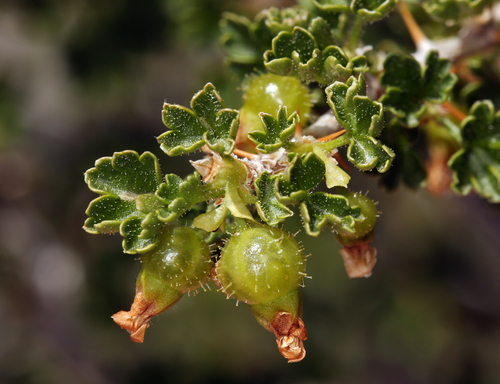
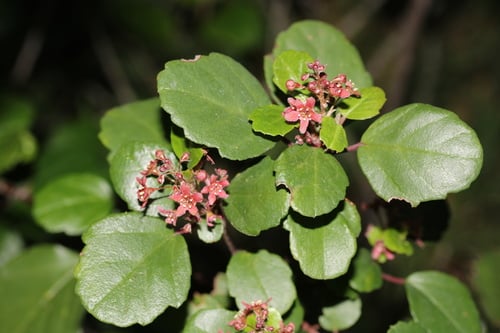
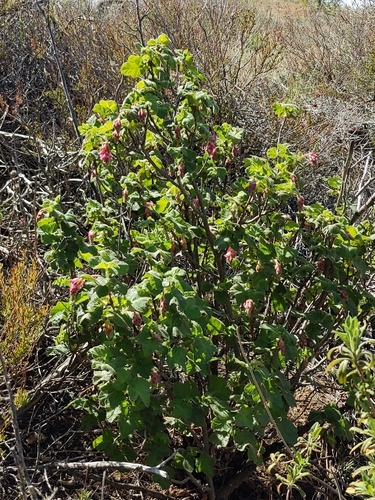
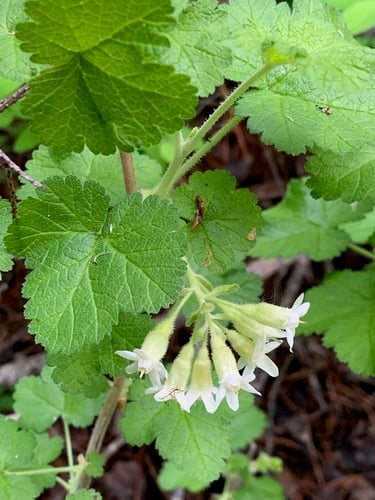
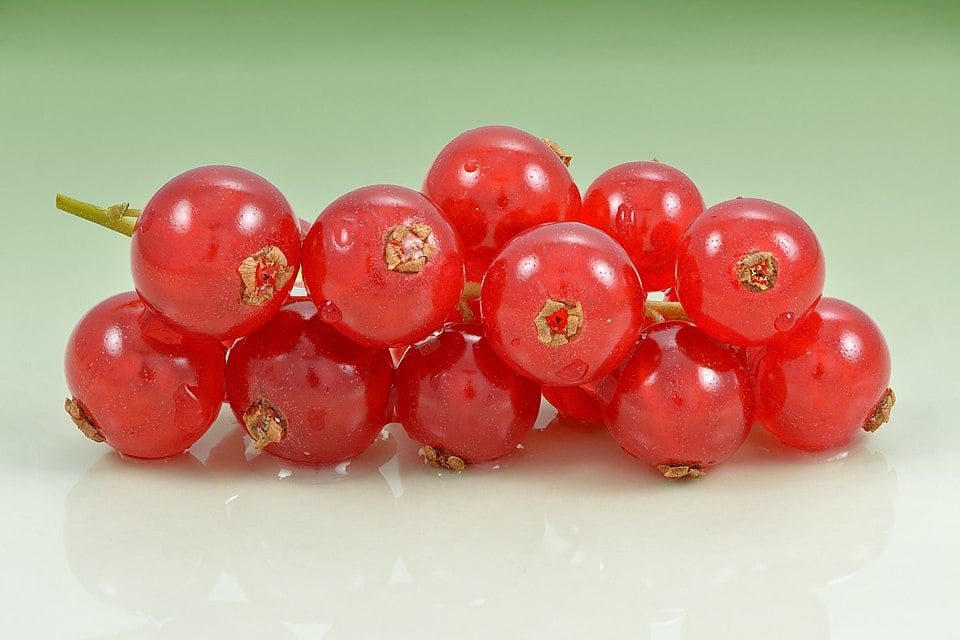
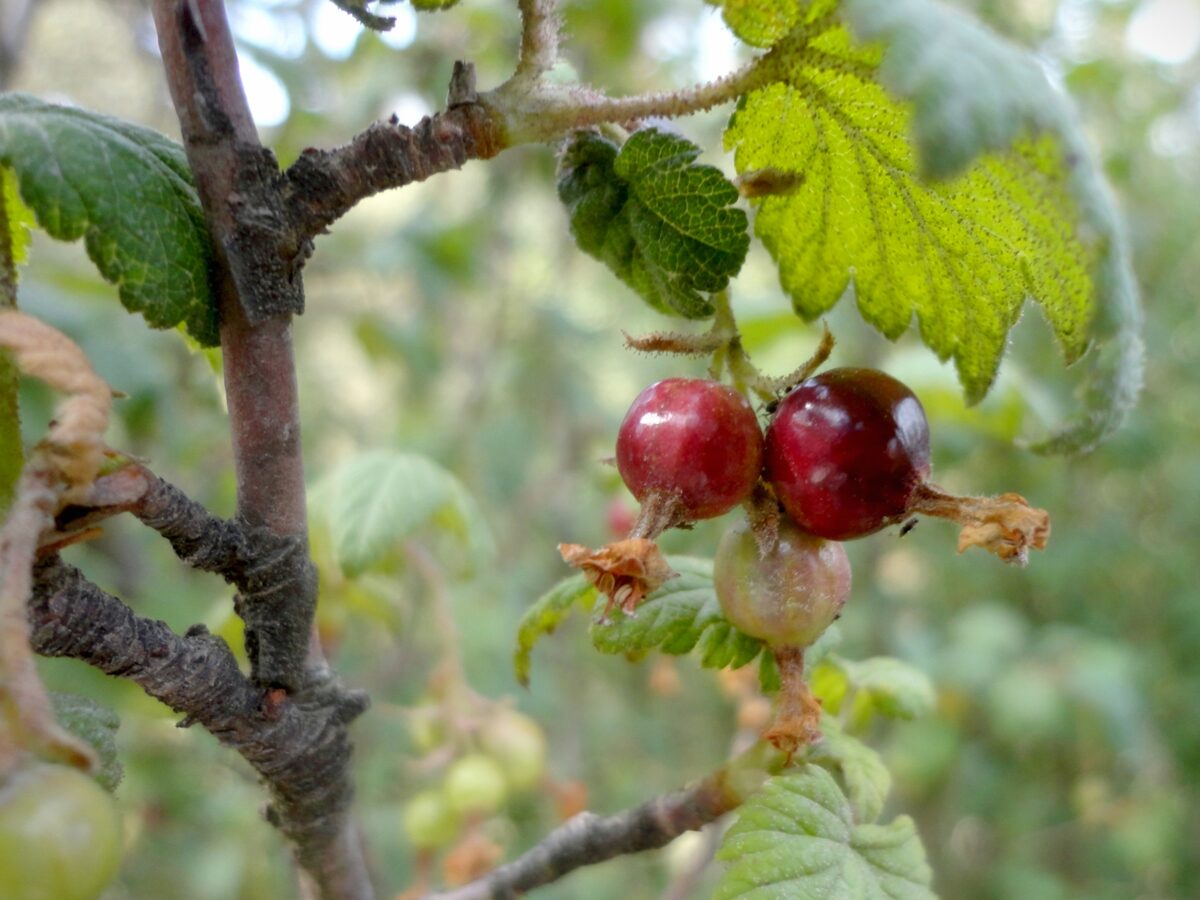
A spreading shrub. It grows about 60 cm high. The twigs have prickles. There are also 3-5 spines at the nodes. The leaves are usually 1-2.5 cm wide. They have glandular hairs on both sides. The flowers are purple and in small groups. The fruit are bright red berries. They are glandular and have bristles.
Edible Uses
The fruit, about 10mm in diameter, can be eaten raw or cooked.
Traditional Uses
The fruit are eaten fresh. They are also used for pies, jellies, jams and drinks.
This uses section is brief — help expand it
Medicinal Uses
None known
Known Hazards
None known
Distribution
It is a temperate plant. In Canada it grows on rocky slopes in mountain and alpine regions.
Where It Grows
Canada, North America, USA,
Cultivation
Easily grown in a moisture retentive but well-drained loamy soil of at least moderate quality. Plants are quite tolerant of shade though do not fruit so well in such a position. Prefers a very sunny position. Hardy to about -20°c. This plant is a currant with prickly stems. Plants can harbour a stage of white pine blister rust, so should not be grown in the vicinity of pine trees. Plants in this genus are notably susceptible to honey fungus.
Propagation
Seed is best sown as soon as it is ripe in autumn in a cold frame. Stored seed requires 3–10 months of cold stratification at around 0°c and should be sown as early in the year as possible. Under normal storage conditions seed can remain viable for 17 years or more. Prick out seedlings into individual pots when large enough to handle, grow on in a cold frame through their first winter, then plant out in late spring the following year. Cuttings of half-ripe wood, 10–15cm with a heel, taken July/August in a frame. Cuttings of mature wood of the current year's growth, preferably with a heel of the previous year's growth, taken November to February in a cold frame or sheltered bed outdoors.
Other Uses
None known
Notes
There are about 150 Ribes species.
Synonyms
References (6)
- Elias, T.S. & Dykeman P.A., 1990, Edible Wild Plants. A North American Field guide. Sterling, New York p 170
- Erythea 5:38. 1897
- Kermath, B. M., et al, 2014, Food Plants in the Americas: A survey of the domesticated, cultivated and wild plants used for Human food in North, Central and South America and the Caribbean. On line draft. p 748
- MacKinnon, A., et al, 2009, Edible & Medicinal Plants of Canada. Lone Pine. p 108
- Moerman, D. F., 2010, Native American Ethnobotany. Timber Press. p 479
Show all 6 references Hide references
- Plants for a Future database, The Field, Penpol, Lostwithiel, Cornwall, PL22 0NG, UK. http://www.scs.leeds.ac.uk/pfaf/