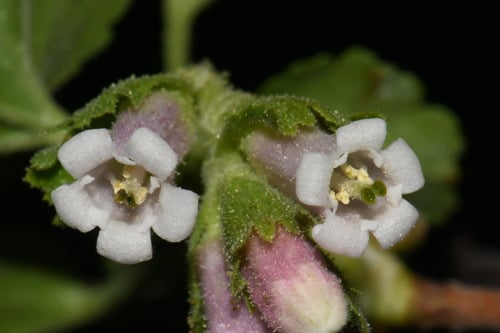
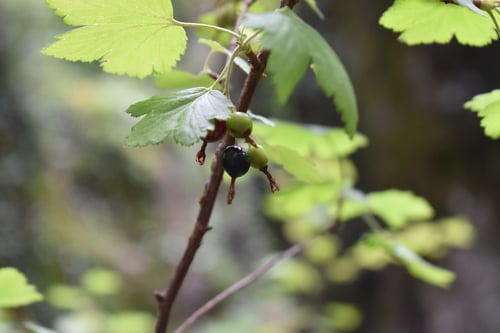
Ribes velutinum
Greene
Desert gooseberry
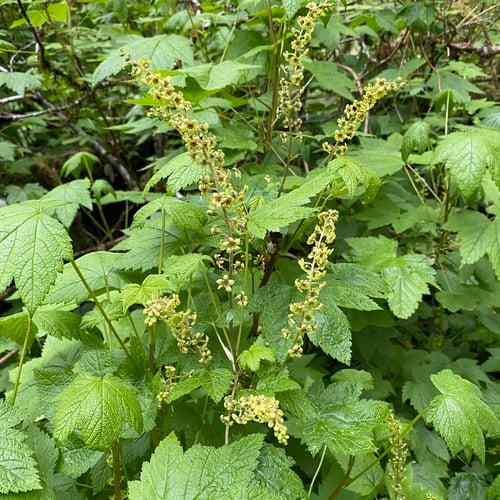
iNaturalist· cc-by
(c) Steve Matson, some rights reserved (CC BY), uploaded by Steve Matson
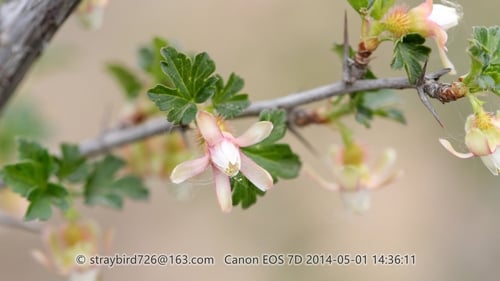
iNaturalist· cc-by
(c) Steve Matson, some rights reserved (CC BY), uploaded by Steve Matson
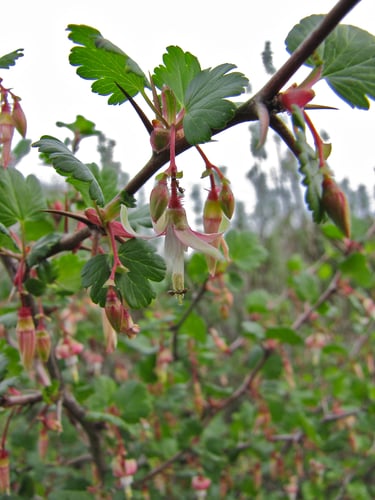
iNaturalist· cc-by
(c) Steve Matson, some rights reserved (CC BY), uploaded by Steve Matson
Summary
Source: WikipediaRibes velutinum is a North American species of currant known by the common name desert gooseberry.
Description
Deciduous shrub reaching 1.2m tall and 1m wide, growing at fast rate. Hardy to UK zone 6, not frost tender. Insect-pollinated flowers bloom March-June; fruit ripens August-October. Noted for attracting wildlife. Tolerates light sandy through heavy clay soils with good drainage, mildly acidic to basic pH, semi-shade to full sun, and prefers moist soil.
Edible Uses
The reddish-purple, globose berries of velvet gooseberry are 4–9mm in diameter and covered with fine, soft velvety hairs. They are palatable and mildly sweet with few off-flavors. The hairs are not a serious problem when eating, though they make the berries less pleasant than smooth-skinned species. The flesh is less juicy than some currants, and while seeds are numerous, they are soft and chewable. The berries can be eaten fresh or dried, though they are not among the most flavorful Ribes. Fruits ripen from August to October, following yellow flowers that appear from March to June.
Medicinal Uses
None known.
Distribution
It is a temperate plant.
Where It Grows
North America, USA,
Cultivation
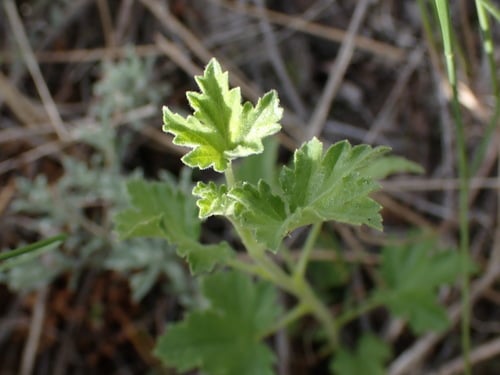
Species in this genus are generally easy to grow, preferring a position in sun (where they fruit best) or moderate shade and succeeding in most moist but well-drained soils of at least moderate fertility. This species is likely to require a very sunny position if grown in cool summer regions. White pine blister rust, caused by the pathogen Cronartium ribicola, is a fungal disease that is native to Asia but has spread via human activity to many other regions, where it has become more virulent. It has a complex life-cycle that requires both currants (Ribes species) and white pines (Pinus species of the section Strobus) for the disease to spread. Whilst Ribes species can generally live with the disease (it has an annual life-cycle and infects the leaves only) Pinus species can be devastated by it (it becomes perennial and spreads through the tree). Young pines are far more susceptible than mature trees. In America the growing of certain Ribes species is banned in some areas in order to protect plantations of white pine species. Plants in this genus tend to be notably susceptible to honey fungus. The leaves of Ribes velutinum are thick and leathery. USDA Hardiness & Weed Potential: Velvet gooseberry is native to the western United States and grows mainly in the Great Basin at mid- to high elevations. It is suited to USDA Hardiness Zones 5–8. It is a native shrub and not considered invasive.
Propagation
Seed is best sown as soon as it is ripe in autumn in a cold frame. Stored seed requires 3 months of cold stratification at 0–9°C and should be sown as early in the year as possible. Under normal storage conditions seed remains viable for 17 years or more. Prick out seedlings into individual pots when large enough to handle, grow on in a cold frame through their first winter, and plant out in late spring the following year. Take cuttings of half-ripe wood in midsummer in a frame. Cuttings of mature wood from the current year's growth, preferably with a heel of the previous year's growth, can be taken from late autumn to late winter in a cold frame or sheltered outdoor bed.
Other Uses
None known.
Synonyms
Also Known As
Velvet gooseberry (Ribes velutinum)
References (1)
- Moerman, D. F., 2010, Native American Ethnobotany. Timber Press. p 480