Rhus coriaria
L.
Sumach, Elm-leaved sumach
iNaturalist· cc-by-nc
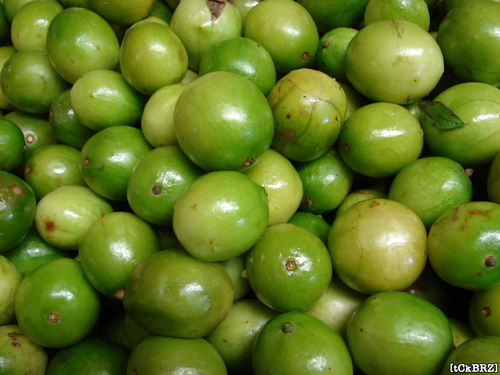
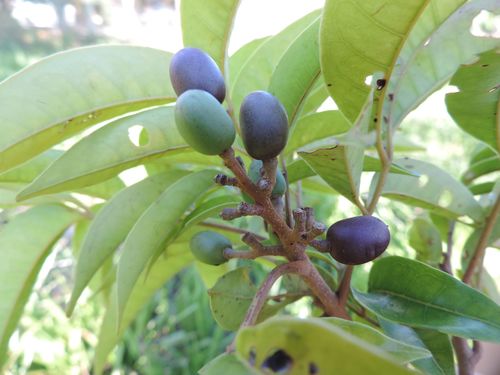
(c) Angham daiyoub, some rights reserved (CC BY-NC), uploaded by Angham daiyoub
iNaturalist· cc-by-nc
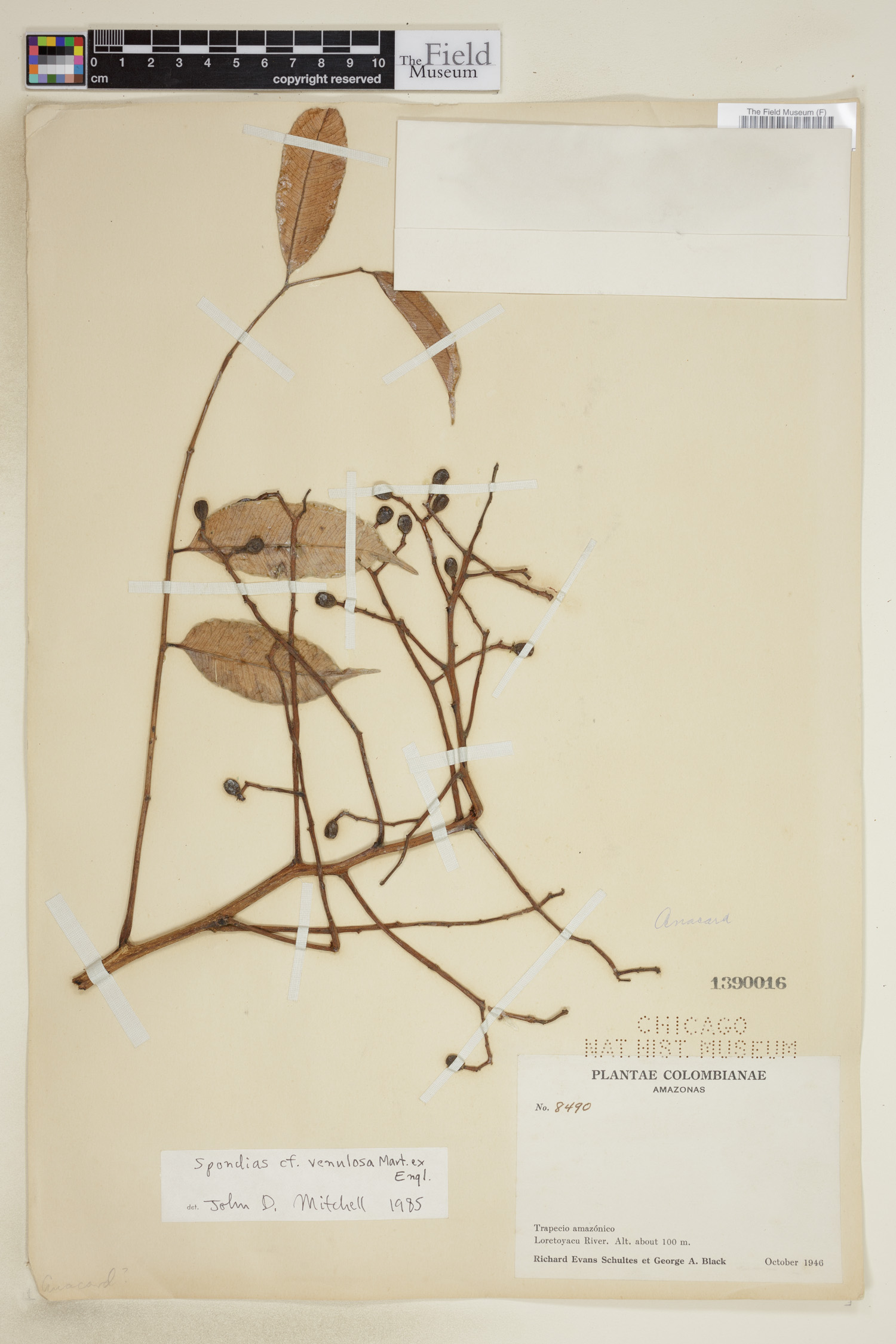
(c) bobasil, some rights reserved (CC BY-NC), uploaded by bobasil
iNaturalist· cc-by-nc
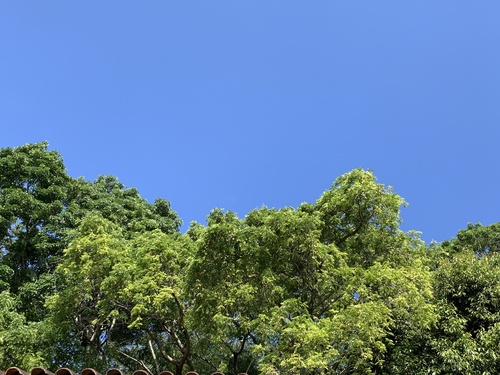
(c) greenfeldarom, some rights reserved (CC BY-NC)
Summary
Source: WikipediaRhus coriaria, commonly called Sicilian sumac, tanner's sumach, or elm-leaved sumach, is a deciduous shrub to small tree in the cashew family Anacardiaceae. It is native to southern Europe and western Asia. The dried fruits are used as a spice, particularly in combination with other spices in the mixture called za'atar.
Description
Deciduous shrub reaching 3m tall with medium growth rate. Hardy to UK zone 9, frost tender. Flowers July to August. Hermaphroditic and self-fertile, pollinated by bees. Attracts wildlife. Grows in light sandy, medium loamy, and heavy clay soils; prefers well-drained conditions. Tolerates mildly acid, neutral, and basic soils. Requires full sun and adapts to dry or moist soil.
Edible Uses
The immature fruits can be used as a caper substitute. Some caution is advised regarding toxicity. When crushed and mixed with Origanum syriacum, the fruit is a principal ingredient of 'Zatar', a popular Middle Eastern spice mixture. The seed is used as an appetizer in a similar way to mustard.
Traditional Uses
Fruit, Herb, Spice, Leaves, Flowers, Seeds,
This uses section is brief — help expand it
Medicinal Uses
The leaves and seeds are astringent, diuretic, styptic, and tonic, and are used in the treatment of dysentery, haemoptysis, and conjunctivitis. The seeds are eaten before meals to stimulate appetite. Some caution is advised in using the leaves and stems regarding toxicity.
Known Hazards
Some caution advised regarding toxicity of leaves and stems.
Where It Grows
TEMPERATE ASIA: Afghanistan, Cyprus, Egypt (Sinai), Iran, Iraq, Lebanon, Syria, Turkey, Azerbaijan, Georgia, Russian Federation (Dagestan), Tajikistan (west), Turkmenistan (south) EUROPE: Ukraine (incl. Krym), Former Yugoslavia, Albania, Bulgaria, Greece (incl. Crete), Italy (incl. Sicily), Malta, Spain, France, Portugal AFRICA: Spain (Canarias), Algeria
Cultivation
Succeeds in a well-drained fertile soil in full sun. This species is not very hardy in Britain and is unlikely to succeed outdoors in any but the mildest parts of the country. Another report says that the plant is quite hardy and is often grown in British gardens. The young growth in spring can be damaged by late frosts. Unlike most members of this genus, this species is hermaphrodite. The form 'Humilior' from Italy is smaller growing. Plants have brittle branches and these can be broken off in strong winds. Plants are also susceptible to coral spot fungus. Plants in this genus are notably resistant to honey fungus. Many of the species in this genus, including this one, are highly toxic and can also cause severe irritation to the skin of some people, whilst other species are not poisonous. It is relatively simple to distinguish which is which, the poisonous species have axillary panicles and smooth fruits whilst non-poisonous species have compound terminal panicles and fruits covered with acid crimson hairs. The toxic species are sometimes separated into their own genus, Toxicodendron, by some botanists. Many species of sumac are self-fertile. The berries are typically harvested in late summer to early autumn, around August to September (Northern Hemisphere, when they are fully ripe. Sumac generally flowers in early to mid-summer, usually from June to July (Northern Hemisphere). Sumac species typically grow at a moderate pace, reaching maturity within a few years, and can establish rapidly in suitable conditions.
Propagation
Seed is best sown in a cold frame as soon as it is ripe. Pre-soak for 24 hours in hot water (starting at 80–90°C and allowed to cool) to leach out germination inhibitors. Stored seed also requires hot water treatment and can be sown in early spring in a cold frame. Prick seedlings into individual pots when large enough to handle and grow on under glass for their first winter. Plant out in late spring or early summer after the last expected frosts. Half-ripe cuttings of 10cm with a heel can be taken in July/August in a frame. Root cuttings 4cm long taken in December should be potted vertically in a greenhouse — good success rate. Suckers can be taken in late autumn to winter.
Other Uses
Sumac can be used for erosion control and for hedges or borders, with its dense growth providing cover and habitat for wildlife. The leaves and bark are rich in tannin; leaves collected in autumn yield a brown dye or can be used as a mordant. Leaves contain 20–35% tannin, with the cultivar 'Mesculino' reaching up to 35%. The finely ground leaves and stems provide the dyeing and tanning agent known as 'sumac'; shoots are cut back annually near the root for this purpose, yielding a fawn-to-green colour improvable with mordants. The fruit and bark are also used as tannin sources. A black dye is obtained from the fruit, and yellow and red dyes from the bark. An oil extracted from the seeds attains a tallow-like consistency on standing and is used to make candles, which burn brilliantly but emit a pungent smoke. Sumac flowers produce nectar and pollen that attract bees, wasps, and butterflies. The red berry-like fruit clusters feed birds and small mammals, and the dense shrubby form provides shelter and nesting sites. Fallen leaf litter offers habitat for invertebrates and shelter for overwintering insects.
Production
A shrub or small tree. It grows 2-3 m tall. The leaves are dark green and somewhat like fronds. The tree loses its leaves during the year. The fruit are red berries. The flowers are in dense bunches or small white flowers. The fruit are tightly bunched in cone shaped clusters. These are 8-10 cm long and 2 cm across at the widest point near the base. Each berry is a little larger than a pepper corn. It is green and covered with a hairy layer. The berries ripen to a pinkish red.
Nutrition
| Part | Moisture | kJ | kcal | Protein | Vit A | Vit C | Iron | Zinc |
|---|---|---|---|---|---|---|---|---|
| Fruit | 5 | 1580 | 381 | 1.2 | — | — | 16.9 | 0.3 |
Also Known As
Eksimik otu, Hamsifto, Himsiso, Sicilian Somak, Simak, Simaq, Sumach, Sumak, Summak, Summaq, Summaq-trsh, Tanner's sumach, Tartak, Tatum
References (41)
- Ahmad, S. A. & Askari, A. A., 2015, Ethnobotany of the Hawraman Region of Kurdistan Iraq. Harvard Papers in Botany, Vol. 20, No. 1, 2015, pp. 85–89
- Ali-Shtayeh, M. S., et al, 2008, Traditional knowledge of wild edible plants used in Palestine (Northern West Bank): A comparative study. J Ethnobiol Ethnomed. 2008; 4: 13.
- Al-Qura'n, S. A., 2010, Ethnobotanical and Ecological Studies of Wild Edible Plants in Jordan. Libyan Agriculture Research Center Journal International 1(4):231-243
- Balut, G., 2016, Medicinal and wild food plants of Marmara Island (Balikesir - Turkey). Acta Societatis Botanicorum Poloniae 85 (2): 3501
- Blamey, M and Grey-Wilson, C., 2005, Wild flowers of the Mediterranean. A & C Black London. p 127
Show all 41 references Hide references
- Bremness, L., 1994, Herbs. Collins Eyewitness Handbooks. Harper Collins. p 119
- Demir, I. & Ayaz, N., 2022, Wild edible plants contributing to the traditional foods of Mardin (Turkey) Province. Indian Journal of Traditional Knowledge Vol 21(3), July 2022, pp 569-582
- Dogan, Y., et al, 2004, The Use of Wild Edible Plants in Western and Central Anatolia (Turkey). Economic Botany 58(4) pp. 684-690
- Ertug, F., 2004, Wild Edible Plants of the Bodrum Area. (Mugla, Turkey). Turk. J. Bot. 28 (2004): 161-174
- Ertug, F, Yenen Bitkiler. Resimli Türkiye Florası -I- Flora of Turkey - Ethnobotany supplement
- Facciola, S., 1998, Cornucopia 2: a Source Book of Edible Plants. Kampong Publications, p 10
- Galalaey, A. M. K., et al, 2021, Ethnobotanical study of some wild edible plants in Hujran Bason, Kurdistan Region of Iraq. ZANCO Journal of Pure and Applied Sciences. Salahaddin University-Erbil
- Gunes, S. et al, 2018, Survey of wild food plants for human consumption in Karaisali (Adana-Turkey). Indian Journal of Traditional Knowledge. Vol. 17(2), April 2018, pp 290-298
- Hancer, C. K., et al, 2020, Traditional Knowledge of Wild Edible Plants of Biga (Çanakkale), Turkey. Acta Societatis Botanicorum Poloniae / 2020 / Volume 89 / Issue 1 / Article 8914
- Hedrick, U.P., 1919, (Ed.), Sturtevant's edible plants of the world. p 560
- Hemphill, I, 2002, Spice Notes. Macmillan. p 375
- Hinnawi, N. S. A., 2010, An ethnobotanical study of wild edible plants in the Northern West Bank "Palestine". An-Najah National University. p 91
- INFOODSUpdatedFGU-list.xls
- Khojimatov, O. K. et al, 2015, Some wild growing plants in traditional foods of Uzbekistan. Journal of Ethnic Foods. 2 (2015) 25-28
- Kiple, K.F. & Ornelas, K.C., (eds), 2000, The Cambridge World History of Food. CUP p 434, 1861
- Kosar, et al., 2007, Antioxidant Activity and Phenolic Composition of Sumac (Rhus coriaria L.) Extracts, Food Chemistry, Vol. 103, No. 3, pp. 952-955.
- Kybal, J., 1980, Herbs and Spices, A Hamlyn Colour Guide, Hamlyn Sydney p 166
- Mahklouf, M. H., 2019, Ethnobotanical Study of Edible Wild Plants in Libya. European Journal of Ecology. 5(2): 30-40
- Mulherin, J., 1994, Spices and natural flavourings. Tiger Books, London. p 90
- Oran, S. A. S., 2015, Selected Wild Aromatic Plants in Jordan. International Journal of Medicinal Plants. Photon 108 (2015) 686-699
- Ozcan, M., 2004, Mineral contents of some plants used as condiments in Turkey. Food Chemistry 84:437-440
- Özdemir, E. and Kültür, S., 2017, Wild Edible Plants of Savaştepe District (Balıkesir, Turkey), Marmara Pharm J 21/3: 578-589
- Plants for a Future database, The Field, Penpol, Lostwithiel, Cornwall, PL22 0NG, UK. http://www.scs.leeds.ac.uk/pfaf/
- Polat, R., et al, 2015, Survey of wild food plants for human consumption in Elazig (Turkey). Indian Journal of Traditional Knowledge. Vol. 1(1): 69-75
- Polat, R., et al, 2017, Survey of wild food plants for human consumption in Bingol, (Turkey). Indian Journal of Traditional Knowledge. Vol. 16(3) July 2017, pp. 378-384
- Rivera, D. et al, 2006, Gathered Mediterranean Food Plants - Ethnobotanical Investigations and Historical Development, in Heinrich M, Müller WE, Galli C (eds): Local Mediterranean Food Plants and Nutraceuticals. Forum Nutr. Basel, Karger, 2006, vol 59, pp 18–74
- Sfikas, G., 1984, Trees and shrubs of Greece. Efstathiadis Group. Athens. p 122
- Sinclair, V., 1992, The Floral Charm of Cyprus. Interworld Publications. p 153
- Sp. pl. 1:265. 1753
- Tukan, S. K., et al, 1998, The use of wild edible plants in the Jordanian diet. International Journal of Food Sciences and Nutrition. 49:225-235
- Wiersema, J. H. & Leon, B., 2013, World Economic Plants. A Standard Reference CRC Press. 2nd Ed. p 590
- Wild Edible Plants in Lebanon. Promoting dietary diversity in poor communities in Lebanon. http://www.wildedibleplants.org/
- World Checklist of Useful Plant Species 2020. Royal Botanic Gardens, Kew
- Yesil, Y., et al, 2019, Wild edible plants in Yeşilli (Mardin-Turkey), a multicultural area. Journal of Ethnobiology and Ethnomedicine (2019) 15:52
- Yesil, Y., et al, 2019, Traditional knowledge of wild edible plants in Hasankeyf (Batman Province, Turkey). Acta Societatis Botanicorum Poloniae. 88(3):3633
- Zeven, A. C. & de West, J. M. J., 1982, Dictionary of cultivated plants and their regions of diversity. Wageningen. p 103