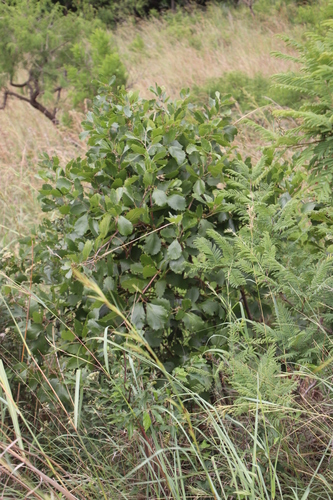
Rhoicissus capensis
(Brum.) Planch
Cape grape, Evergreen grape
iNaturalist· cc-by-nc
(c) Errol Douwes, some rights reserved (CC BY-NC)
iNaturalist· cc-by-nc
(c) Errol Douwes, some rights reserved (CC BY-NC)
iNaturalist· cc-by-nc
(c) Errol Douwes, some rights reserved (CC BY-NC)
Description
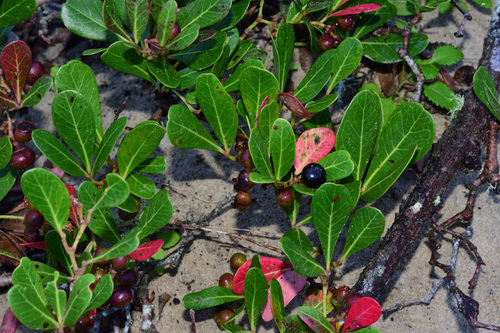
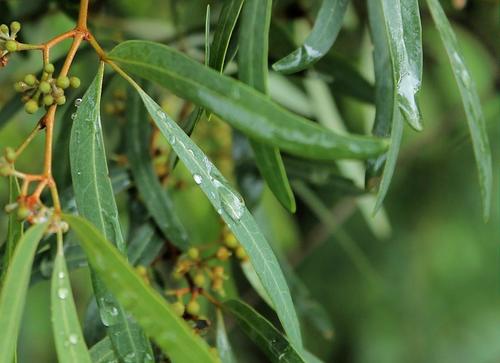
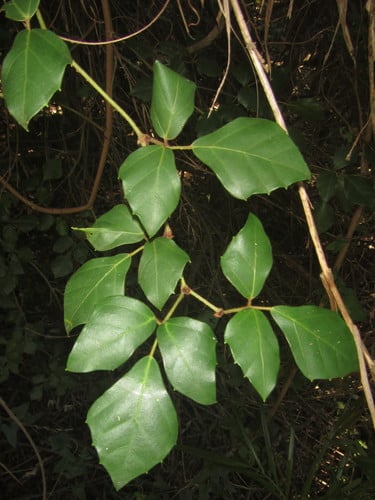
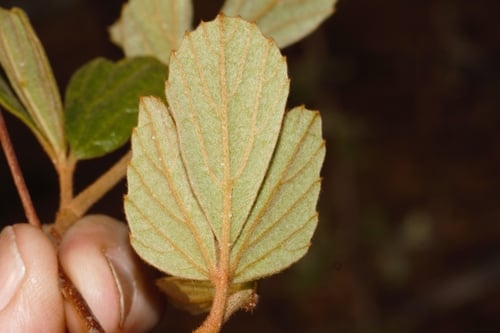
A climber. It climbs by tendrils. It can be 10-17 m long. The young leaves are bronze coloured. They turn bright shiny green. They are round or kidney shaped with a rusty tinge underneath. They are 10-20 cm long. The flowers are small and yellow and produced in clusters. The fruit are berries which are glossy and reddish-black to blue-black. They are 2 cm across. The berries are edible.
Edible Uses
The berries are edible and can be used to make jellies, preserves, and syrups. The young leaves and shoots can also be eaten.
Traditional Uses
Fruit can be used in making jellies, preserves and syrups. The young leaves and shoots can be eaten.
This uses section is brief — help expand it
Distribution
They need fertile soil which is well drained. They do best in part shade. They need protection from the heat of direct sun. The soil need to be kept evenly moist. Plants should be mulched around the base.
Where It Grows
Africa, Australia, South Africa, Southern Africa,
Cultivation
Plants are grown from tubers. The clump of tubers can be divided.
Notes
There are about 10 Rhoicissus species.
Synonyms
References (8)
- Bodkin, F., 1991, Encyclopedia Botanica. Cornstalk publishing, p 881
- Brickell, C. (Ed.), 1999, The Royal Horticultural Society A-Z Encyclopedia of Garden Plants. Convent Garden Books. p 882
- Crandall, C & Crandall, B., 1996, Flowering Fruiting and Foliage vines. Sterling. p 93
- Facciola, S., 1998, Cornucopia 2: a Source Book of Edible Plants. Kampong Publications, p 245
- Hedrick, U.P., 1919, (Ed.), Sturtevant's edible plants of the world. p 682 (As Vitis capensis)
Show all 8 references Hide references
- Jardin, C., 1970, List of Foods Used In Africa, FAO Nutrition Information Document Series No 2.p 158
- Tanaka,
- Uphof,