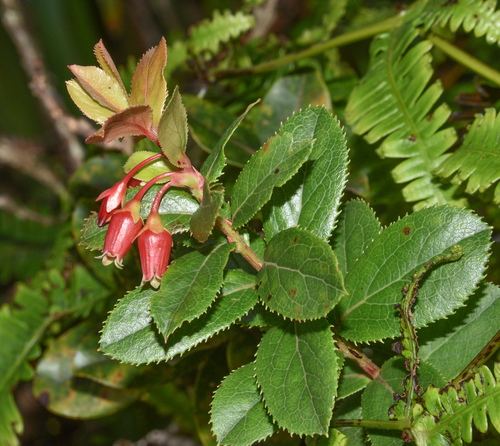
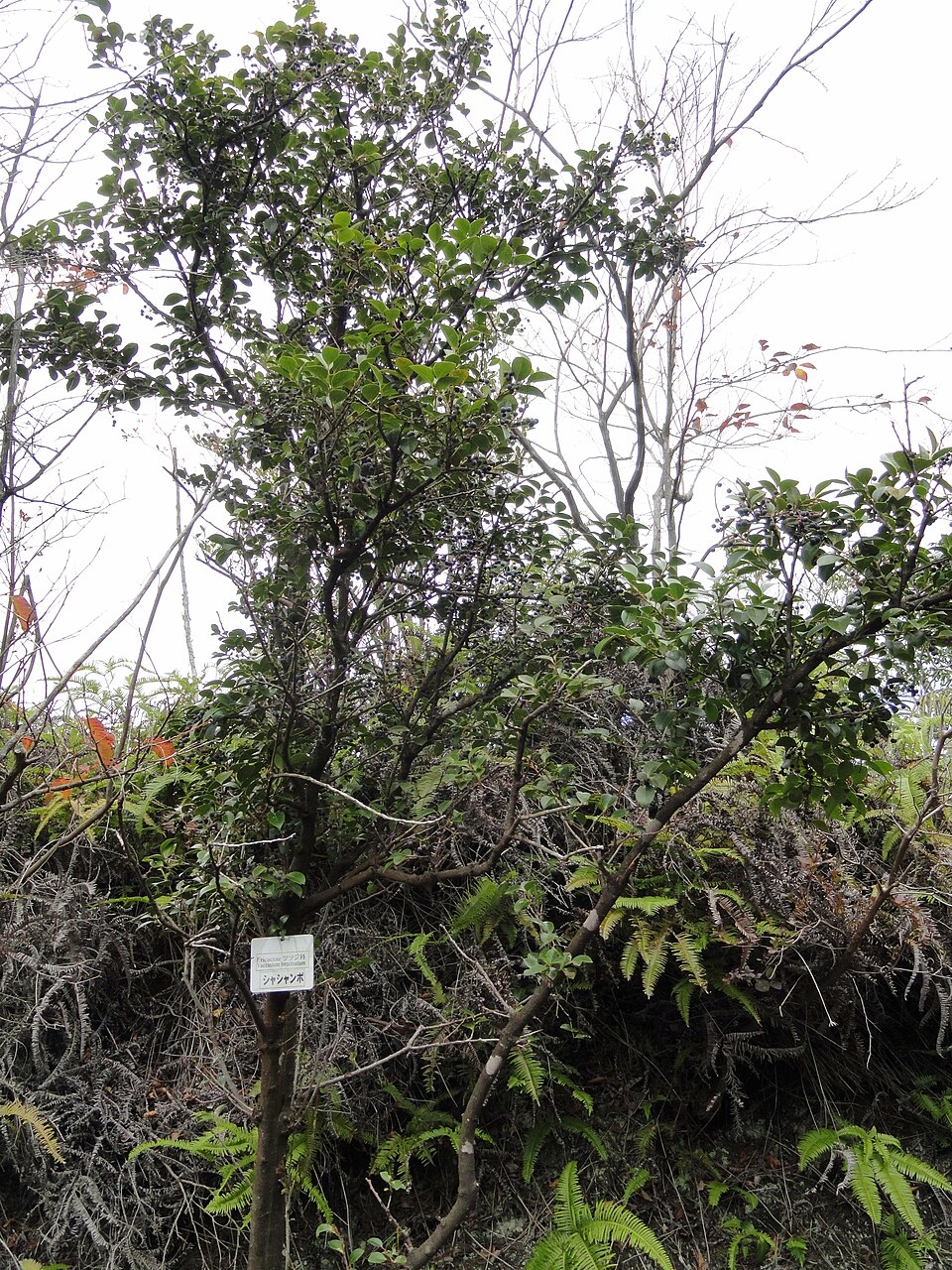
Rhododendron japonicum
(A. Gray) J. V. Suringar
Japanese Azalea, Renge-Tutuzi
iNaturalist· cc-by
(c) Σ64, some rights reserved (CC BY)
iNaturalist· cc-by
(c) Marco Mussita, some rights reserved (CC BY)
Summary
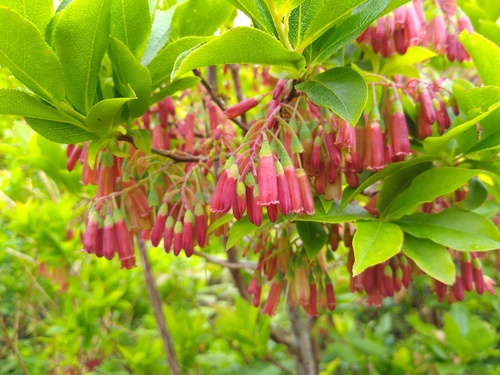
Source: WikipediaRhododendron japonicum, the Japanese azalea, is a species of flowering plant in the family Ericaceae, native to Japan. A deciduous shrub reaching 8 ft (2.4 m) but usually half that, it is found in grasslands and open scrub, never in dense thickets or woodlands. It is very similar to the Chinese endemic Rhododendron molle, to the extent that its cultivars are customarily grouped with the cultivars of R. molle. It is popularly cultivated as a bonsai tree.
Description
Deciduous shrub reaching 2 m tall. Hermaphrodite flowers appear April to May, pollinated by insects. Prefers well-drained, mildly to very acid soil in semi-shade or full sun. Tolerates light sandy and medium loamy soils and prefers consistently moist conditions. Hardy to UK zone 5.
Edible Uses
The leaves are reported to be edible, though no further details are given. Caution is advised regarding toxicity.
Medicinal Uses
The plant is used as a diuretic and tonic.
Known Hazards
Caution is advised regarding toxicity of the leaves.
Distribution
It is a temperate plant.
Where It Grows
Asia, Australia, Japan,
Propagation
Sow seed in a greenhouse as soon as it is ripe in autumn, providing artificial light. Alternatively, sow in a lightly shaded part of a warm greenhouse in late winter, or in a cold greenhouse in April. Surface-sow and keep the compost consistently moist. Pot up seedlings once large enough to handle and grow on under glass for at least the first winter. Layering in late July takes 15–24 months. Cuttings of half-ripe wood taken in August and rooted in a frame are difficult.
Other Uses
None known
Notes
There are over 500 Rhododendron species.
Synonyms
References (2)
- Gartenflora 57:517. 1908
- Lord, E.E., & Willis, J.H., 1999, Shrubs and Trees for Australian gardens. Lothian. p 256