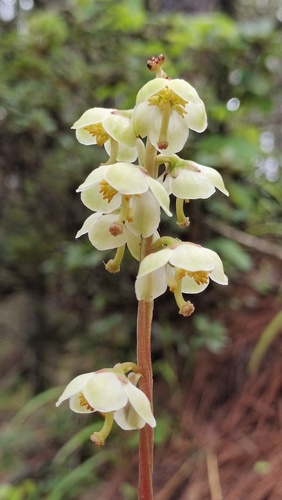
Pterospora andromedea
Nutt.
Woodland pinedrops
iNaturalist· cc-by
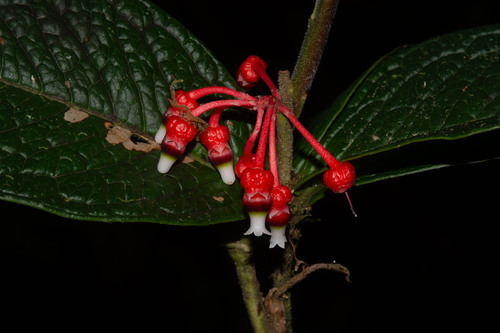
(c) Yves Bas, some rights reserved (CC BY), uploaded by Yves Bas
iNaturalist· cc-by-nc
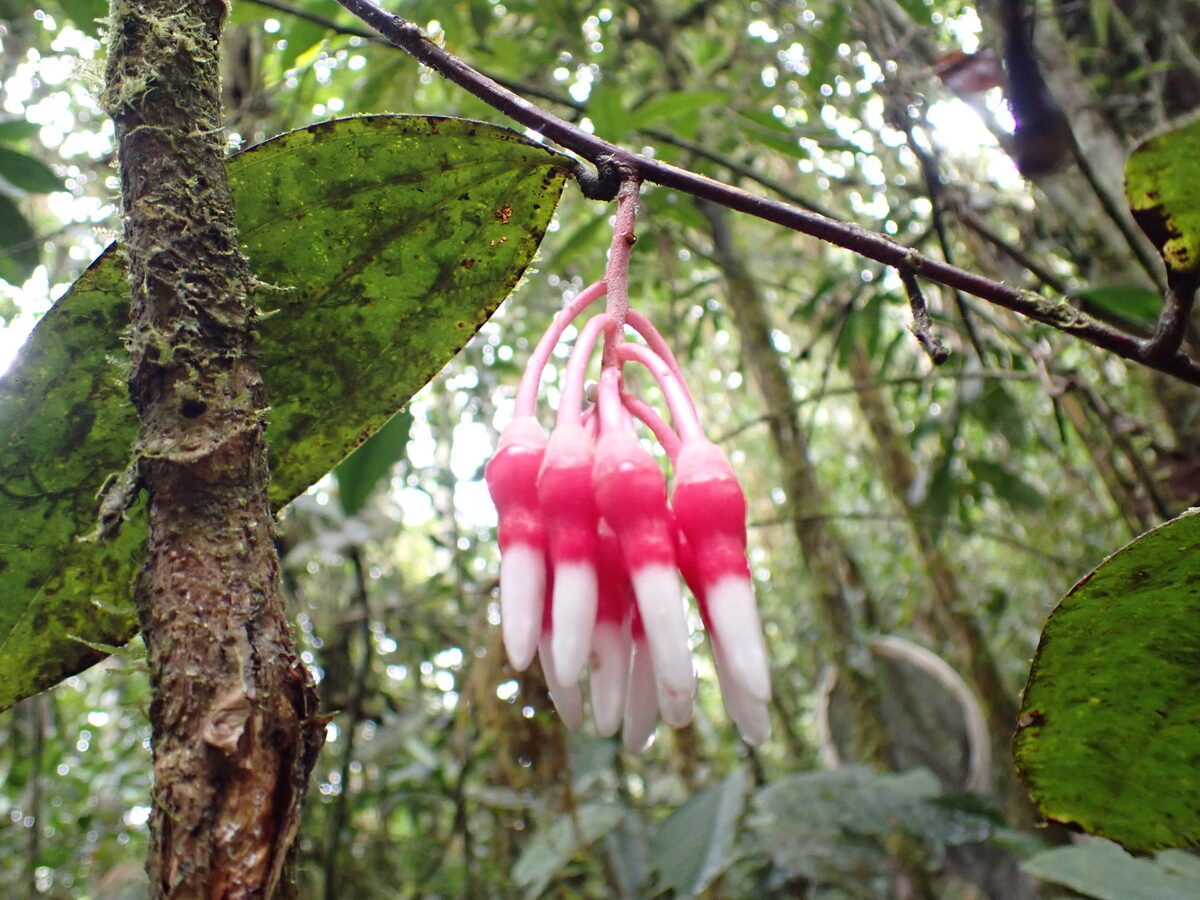
(c) Lane Allen, some rights reserved (CC BY-NC), uploaded by Lane Allen
iNaturalist· cc-by-sa
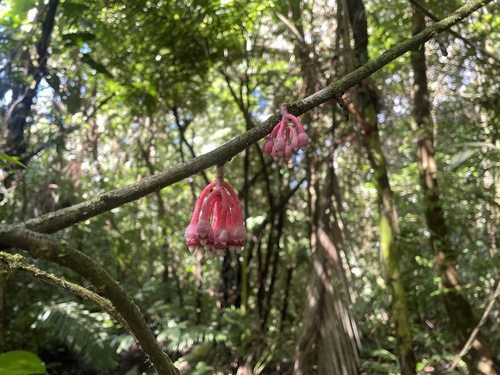
(c) Douglas Goldman, some rights reserved (CC BY-SA), uploaded by Douglas Goldman
Summary
Source: WikipediaA hermaphroditic species adaptable to light sandy, medium loamy, and heavy clay soils across a range of pH levels. Thrives in semi-shade (light woodland) or full sun conditions with preference for consistently moist soil.
Description
A herb that grows attached to and getting their food from other plants. It can be 1 m tall. The stems are red.
This description is brief — help expand it
Edible Uses
The stems can be eaten raw or cooked — they are particularly good roasted or baked in the embers of a fire, much like mushrooms.
Traditional Uses
The stems are eaten raw, roasted or baked.
This uses section is brief — help expand it
Medicinal Uses
The stems and berries are astringent, disinfectant, and haemostatic. A cold infusion made from ground stems and berries has been used to treat lung haemorrhages and nosebleeds. An infusion of the roots has been used in the treatment of gonorrhoea.
Distribution
It is a temperate plant.
Where It Grows
North America, USA,
Cultivation
Plants grow from seed/
Other Uses
No other uses are known.
Notes
Also put in the family Pyrolaceae.
References (1)
- Moerman, D. F., 2010, Native American Ethnobotany. Timber Press. p 454