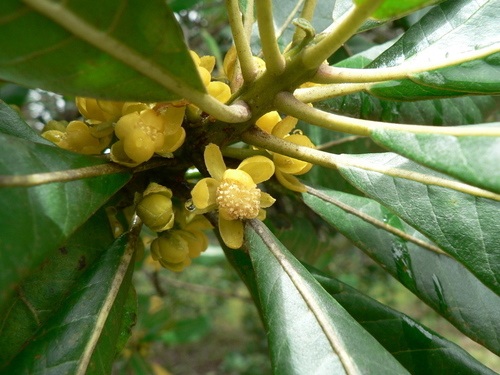
Antidesma coriaceum
Tulasme
iNaturalist· cc-by-nc-sa
(c) 106611639464075912591, some rights reserved (CC BY-NC-SA), uploaded by 106611639464075912591
iNaturalist· cc-by-nc
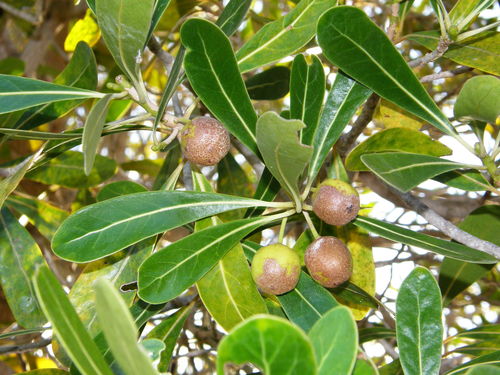
(c) HP Lim, some rights reserved (CC BY-NC)
iNaturalist· cc-by-nc
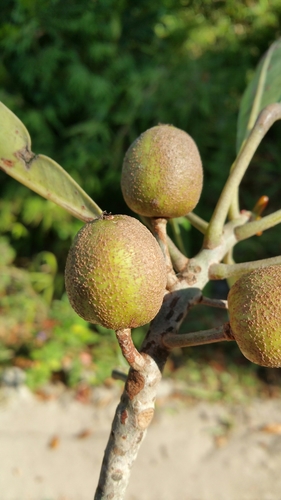
(c) HP Lim, some rights reserved (CC BY-NC)
Description
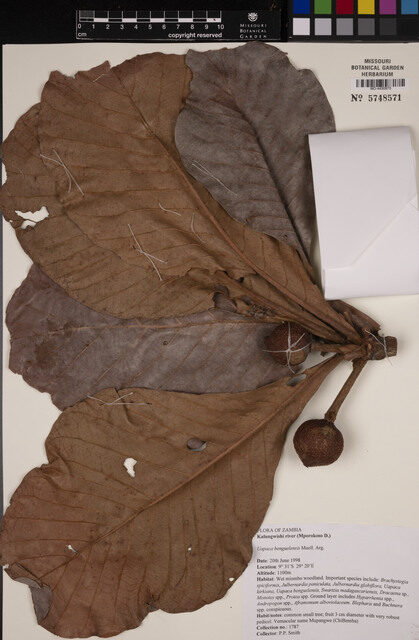
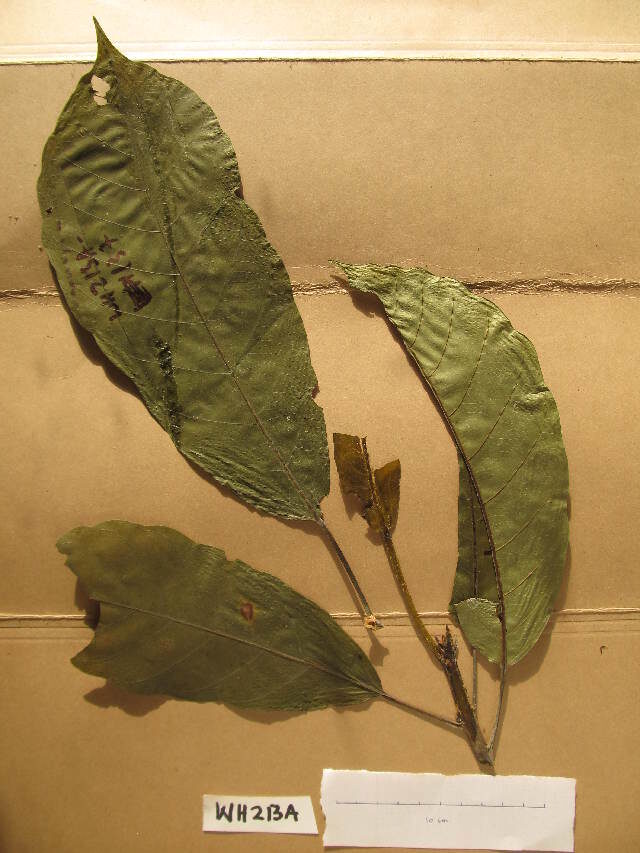
A medium sized tree 15-20 m high. The trunk is 25 cm across. The leaves are alternate and simple. The flowers are 2 mm across. They are white to yellow. The fruit are 5 mm long and red. They are fleshy.
Edible Uses
The fruit are eaten fresh; they are sour and sweet.
Traditional Uses
The fruit are sour, sweet and edible.
This uses section is brief — help expand it
Medicinal Uses
The fruit have traditional uses.
Distribution
A tropical plant. It grows below 800 m altitude. It grows in swamps.
Where It Grows
Asia, Brunei, China, Indochina, Indonesia, Laos, Malaysia, SE Asia, Thailand, Vietnam,
Notes
There are about 100-170 Antidesma species.
Synonyms
Also Known As
Choi moi la da, Chon mon, Beras-beras hitam, Kayu maya punai, Mempunai, Medang paya
References (3)
- Burkill, I.H., 1966, A Dictionary of the Economic Products of the Malay Peninsula. Ministry of Agriculture and Cooperatives, Kuala Lumpur, Malaysia. Vol 1 (A-H) p 186
- Forest Inventory and Planning Institute, 1996, Vietnam Forest Trees. Agriculture Publishing House p 183
- Slik, F., www.asianplant.net