Sageretia thea
(Osbeck) M. C. Johnston
Millet thorn, Sweet plum
iNaturalist· cc0
no rights reserved, uploaded by 葉子
iNaturalist· cc-by-nc
(c) Stargazer, some rights reserved (CC BY-NC)
iNaturalist· cc-by-nc
(c) Stargazer, some rights reserved (CC BY-NC)
Description
An evergreen shrub. The branches are stiff and slender and can end in a thorn. The leaves are narrowly oval and can be rough. There are small teeth around the edge. They are 1-4 cm long by 1-2 cm wide. The flowers are in interrupted groups along a stalk. The flowers are 3 mm across. The fruit is 4-5 mm long. It is black or dark brown. They have 3 lobes. Usually there are 3 seeds. There are some botanical varieties.
Edible Uses
The ripe fruit are eaten raw, especially by children, and can also be used in brewing. The leaves are sometimes used as a tea substitute.
Traditional Uses
The ripe fruit are eaten raw. They are also used in brewing. The leaves are sometimes used as a substitute for tea.
This uses section is brief — help expand it
Medicinal Uses
None mentioned.
Known Hazards
None mentioned.
Distribution
It is a tropical plant. In China it grows in mountain forests below 2,100 m above sea level. In Sichuan and Yunnan.
Where It Grows
Afghanistan, Africa, Arabia, Asia, Central Asia, China, East Africa, Ethiopia, Himalayas, India, Indochina, Iran, Japan, Korea, Middle East, Myanmar, North Africa, Oman, Pakistan, SE Asia, Taiwan, Tajikistan, Thailand, Tibet, Vietnam, Yemen,
Cultivation
Found in the warm temperate to tropical zones, usually at higher elevations up to 2,100 metres.
Other Uses
The wood is very hard, white with irregular, dark-coloured heartwood.
Other Information
The fruit are eaten especially by children.
Synonyms
Also Known As
Ankol, Burlcha, Dargola, Gongair, Khadgu, Kharo, Kichil agam, Kuro-ige, Kutku, Luozi, Mamanra, Sangdongnamu, Thum, Tia
References (17)
- Addis, G., et al, 2005, Ethnobotanical Study of Edible Wild Plants in Some Selected Districts of Ethiopia. Human Ecology, Vol. 33, No. 1, pp. 83-118
- Al-Fatimi, M. A., Wild Edible Plants Traditionally Collected and Used in Southern Yemen. Research Square. University of Aden. p 23
- Altschul, S.V.R., 1973, Drugs and Foods from Little-known Plants. Notes in Harvard University Herbaria. Harvard Univ. Press. Massachusetts. no. 2631
- Ambasta, S.P. (Ed.), 2000, The Useful Plants of India. CSIR India. p 539
- Facciola, S., 1998, Cornucopia 2: a Source Book of Edible Plants. Kampong Publications, p 191 (As Sageretia theezans)
Show all 17 references Hide references
- Flora of Pakistan. www.eFloras.org
- Hedrick, U.P., 1919, (Ed.), Sturtevant's edible plants of the world. p 586 (As Sageretia theezans)
- Hu, Shiu-ying, 2005, Food Plants of China. The Chinese University Press. p 530
- Hwang, H., et al, 2013, A Study on the Flora of 15 Islands in the Western Sea of Jeollanamdo Province, Korea. Journal of Asia-Pacific Biodiversity Vol. 6, No. 2 281-310 (As Sageretia theezans)
- J. Arnold Arbor. 49:378. 1968
- Ju, Y., et al, 2013, Eating from the wild: diversity of wild edible plants used by Tibetans in Shangri-la region, Yunnan, China, Journal of Ethnobiology and Ethno medicine 9:28
- Khan, A. H., et al, 2023, Traditional foraging for ecological transition? Wild food ethnobotany among three ethnic groups in the highlands of the eastern Hindukush, North Pakistan. Journal of Ethnobiology and Ethnomedicine 19:9
- Lulekal, E., et al, 2011, Wild edible plants in Ethiopia: a review on their potential to combat food insecurity. Afrika Focus - Vol. 24, No 2. pp 71-121
- Singh, H.B., Arora R.K.,1978, Wild edible Plants of India. Indian Council of Agricultural Research, New Delhi. p 71
- Song, M., et al, 2013, Traditional knowledge of wild edible plants in Jeju Island, Korea. Indian Journal of Traditional Knowledge. 12(2) pp 177-194 (As Sageretia theezans)
- Uphof,
- World Checklist of Useful Plant Species 2020. Royal Botanic Gardens, Kew
More from Rhamnaceae
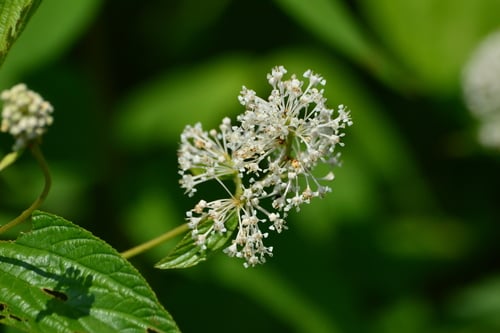
Ceanothus americanus
New Jersey tea, Red root, Jersey-tea ceanothus, Mountainsweet, Wild snowball
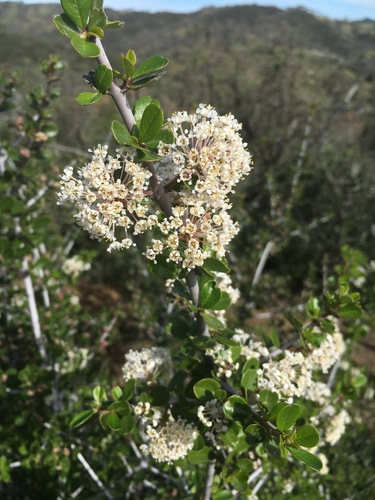
Ceanothus cuneatus
Buckbrush
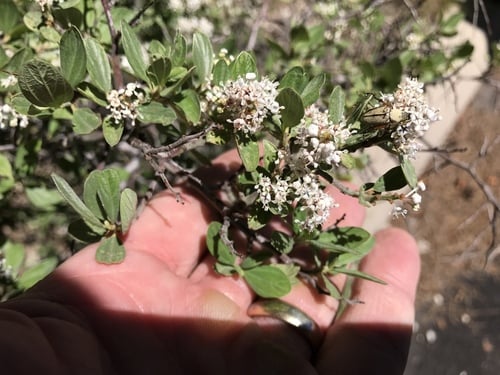
Ceanothus fendleri
Fendler's ceanothus
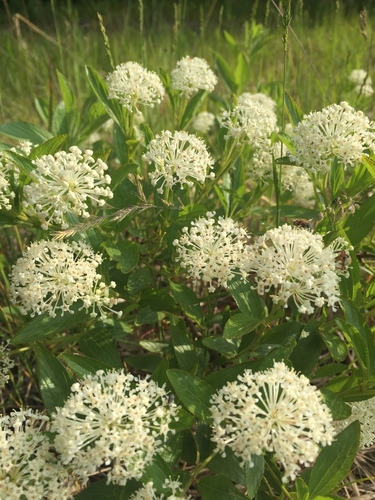
Ceanothus herbaceus
Red root, Inland Ceanothus, Smaller red-root, Jersey tea
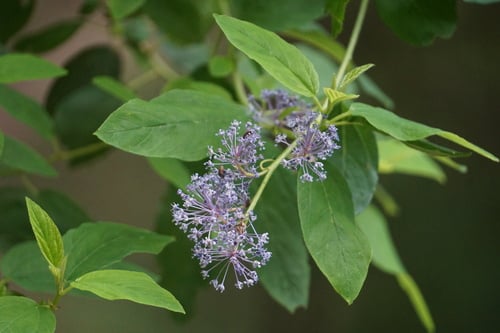
Ceanothus integerrimus
Deer brush
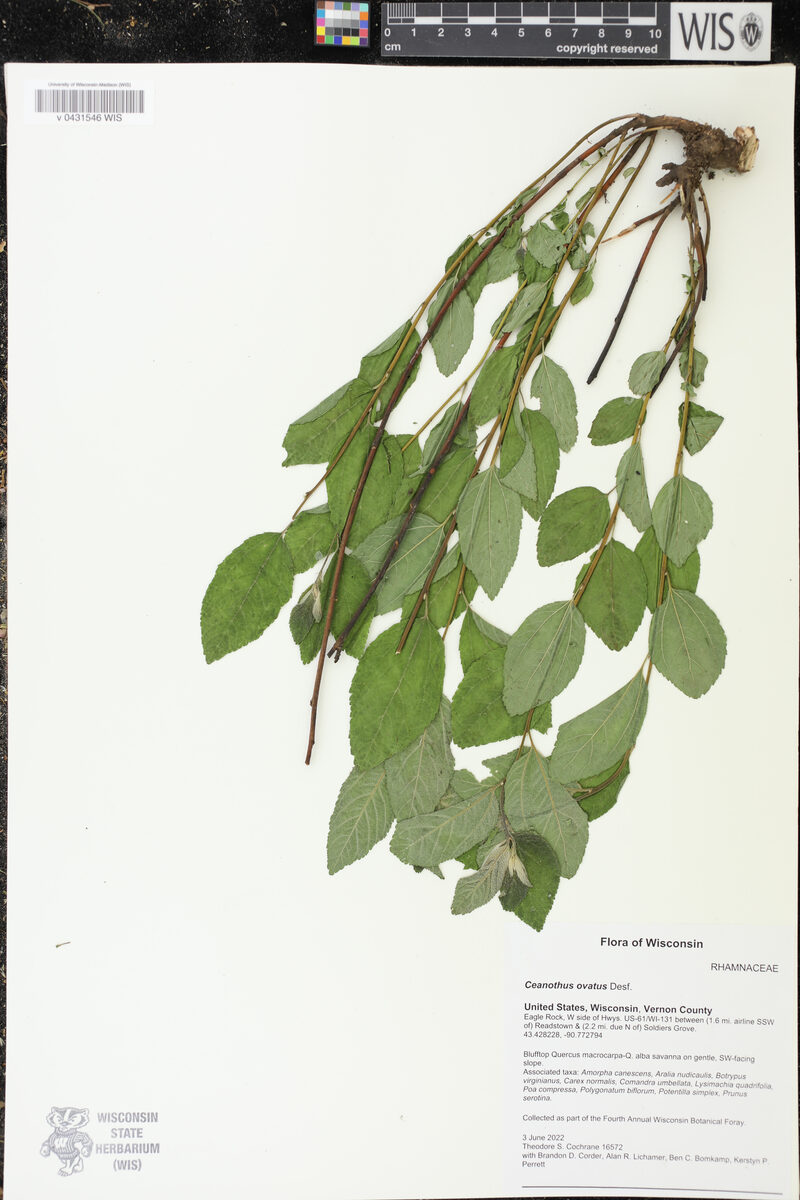
Ceanothus ovatus - (Desf.)
Smaller Red-Root