Rehmannia glutinosa
(Gaertner) Steud.
Chinese foxglove, Rehmannia
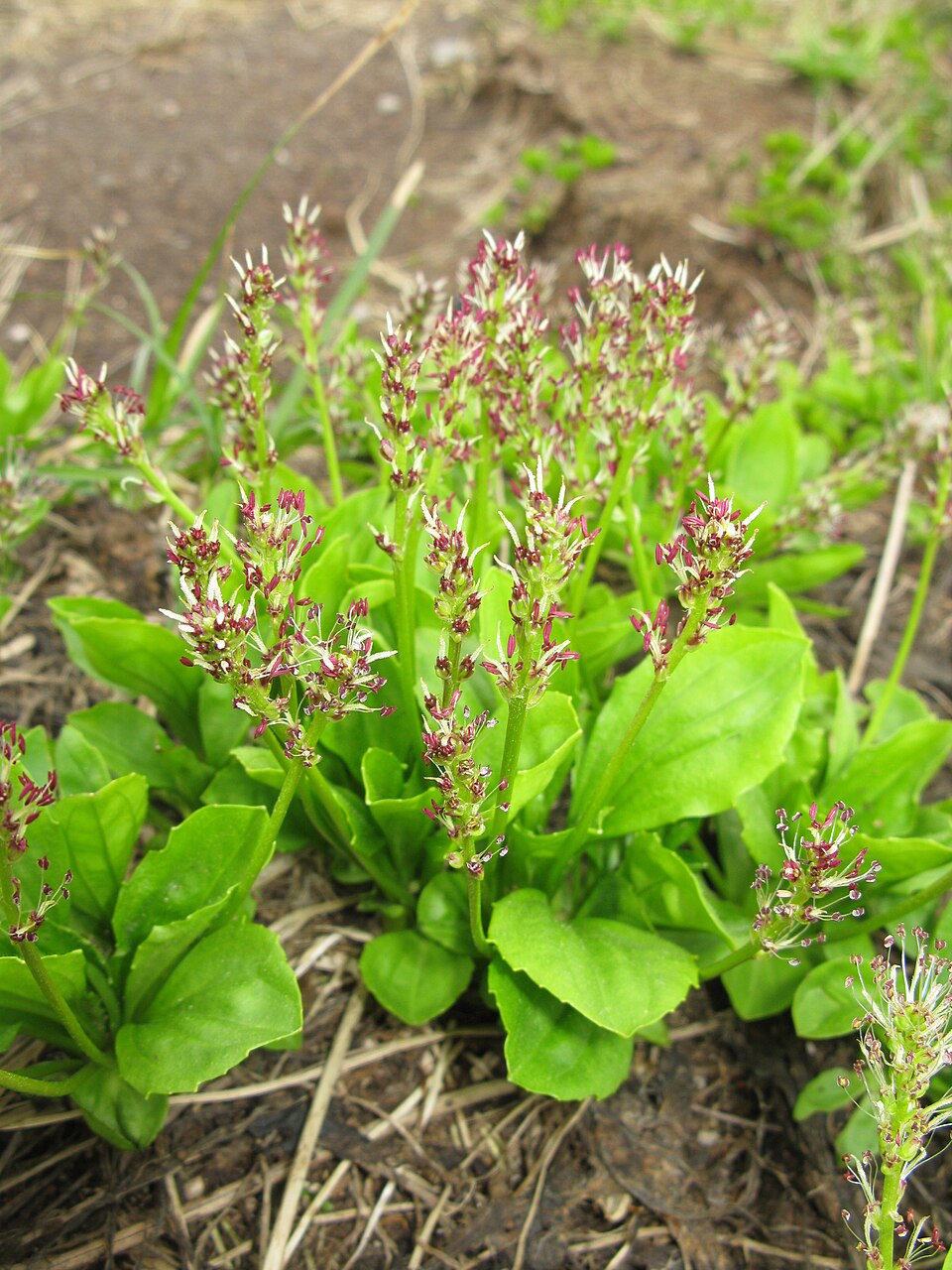
iNaturalist· cc-by-nc
(c) Chuangzao, some rights reserved (CC BY-NC), uploaded by Chuangzao
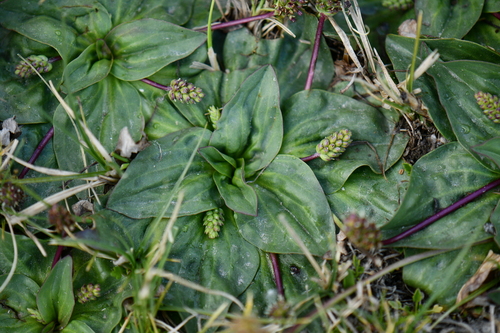
iNaturalist· cc-by-nc
(c) duonix, some rights reserved (CC BY-NC)
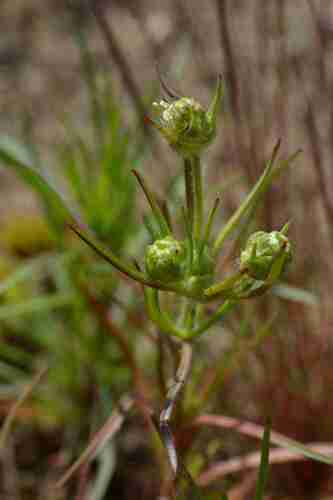
iNaturalist· cc-by-nc
(c) 红梅, some rights reserved (CC BY-NC), uploaded by 红梅
Summary
Source: WikipediaRehmannia glutinosa is a flowering broomrape, and one of the 50 fundamental herbs used in traditional Chinese medicine, where it has the name shēng dì huáng (Chinese: 生地黄). It is often sold as gān dì huáng (Chinese: 干地黄), gān meaning "dried". Unlike the majority of broomrapes, R. glutinosa is not parasitic, and is capable of independent photosynthesis.
Description
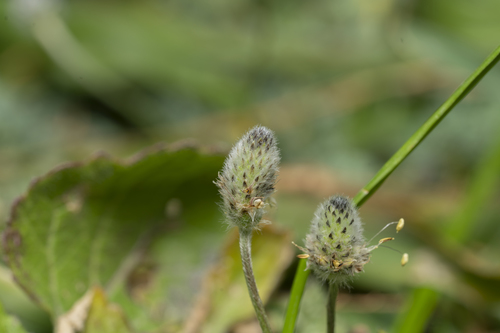
A herb. It develops suckers. It grows 20-30 cm high and spreads 30-40 cm wide. The leaves at the base are scalloped. The leaves are 10 cm long. The flowers are trumpet shaped. They are 5 cm long. The flowers are yellow with some purple colouring.
Edible Uses
The leaves are edible, though no further details are given. The root is eaten cooked, boiled nine times before consumption — suggesting it may be somewhat toxic or at minimum very bitter. Boiling it nine times (with the water presumably discarded each time) would leave very little in the way of vitamins and minerals.
Traditional Uses
The leaves can be boiled and eaten. They can be powdered and mixed with the juice from the root and cooked and eaten. The root is steamed and sun dried nine times before eating. It is used in Chinese tonic soups often with chicken and pork. It is available dried, wine cured or steam-cured. CAUTION: Presumably the root is toxic without properly processing.
Medicinal Uses
Known as Di Huang in China, this plant is one of the most popular tonic herbs in Chinese herbalism and is considered one of the 50 fundamental herbs. The root is the main part used and can be prepared in four ways: charcoaled; prepared (called Shu Di Huang); fresh (Sheng Di Huang); or dried (also Sheng Di Huang). The roots are antibacterial, antiseptic, cardiac, diuretic, febrifuge, haemostatic, hypoglycaemic, and tonic, used for a wide range of ailments including anaemia, cancer, bleeding, constipation, coughs, fever, and premature ejaculation. The charcoaled root stops bleeding and tonifies the spleen and stomach. The fresh root treats thirst, the rash of infectious diseases, and bleeding due to pathological heat. The dried root treats bleeding due to blood deficiency and nourishes the vital essence. The prepared root treats dizziness and palpitations due to anaemia or blood deficiency, chronic tidal fever, night sweats, dry mouth, lumbago, and nocturnal emissions. Roots of cultivated plants are harvested in autumn or early winter; wild plants are harvested in early spring. They can be used fresh or dried. The root is an ingredient of Four Things Soup, the most widely used women's tonic in China, alongside Angelica sinensis, Ligusticum wallichii, and Paeonia lactiflora. The leaves are bruised and applied to treat scaly eczema or psoriasis.
Distribution
It is a subtropical plant. In north China it grows on mountain slopes below 1,100 m above sea level. It suits hardiness zones 8-10.
Where It Grows
Asia, Australia, China, Himalayas, Korea, Slovenia,
Propagation
Sow seed in autumn or spring in a greenhouse. Prick out seedlings into individual pots when large enough to handle and grow on for at least their first winter under glass. Plant out in late spring or early summer. Other methods include root cuttings in winter, division in spring, and basal cuttings in late spring or early summer — harvest shoots with plenty of underground stem when about 8–10cm above ground, pot into individual pots, and keep in light shade in a cold frame or greenhouse until rooting well before planting out in summer.
Other Uses
None known
Other Information
It is sold in Chinese stores in Australia.
Notes
There are 9-10 Rehmannia species. The dried roots are available in Chinese stores in Australia. Also put in the family Orobanchaceae.
Synonyms
Also Known As
Di huang, Jiwang, Lepljiva rehmanija, Lo sok tei, Thuc dia
References (15)
- Bodkin, F., 1991, Encyclopedia Botanica. Cornstalk publishing, p 872
- Brickell, C. (Ed.), 1999, The Royal Horticultural Society A-Z Encyclopedia of Garden Plants. Convent Garden Books. p 862
- Cundall, P., (ed.), 2004, Gardening Australia: flora: the gardener's bible. ABC Books. p 1136
- Facciola, S., 1998, Cornucopia 2: a Source Book of Edible Plants. Kampong Publications, p 190
- Famine foods (As Rehmannia lutea)
Show all 15 references Hide references
- Hibbert, M., 2002, The Aussie Plant Finder 2002, Florilegium. p 245
- http://www.botanic-gardens-ljubljana.com/en/plants
- Hu, Shiu-ying, 2005, Food Plants of China. The Chinese University Press. p 671
- Lim, T. K., 2015, Edible Medicinal and Non Medicinal Plants. Volume 9, Modified Stems, Roots, Bulbs. Springer p 73
- Morley, B. & Everard, B., 1970, Wild Flowers of the World. Ebury press. Plate 104
- Nomencl. bot. ed. 2, 2:440. 1841
- Plants for a Future database, The Field, Penpol, Lostwithiel, Cornwall, PL22 0NG, UK. http://www.scs.leeds.ac.uk/pfaf/
- READ, (Also as Rehmannia lutea)
- Song, M., et al, 2013, Traditional knowledge of wild edible plants in Jeju Island, Korea. Indian Journal of Traditional Knowledge. 12(2) pp 177-194
- Tanaka,