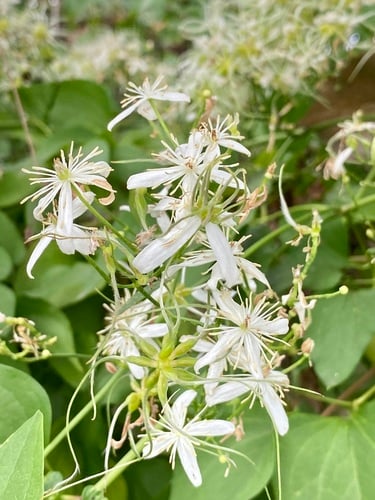
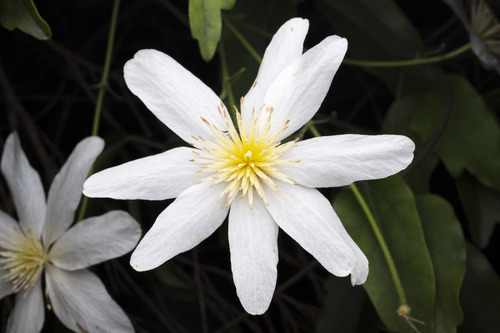
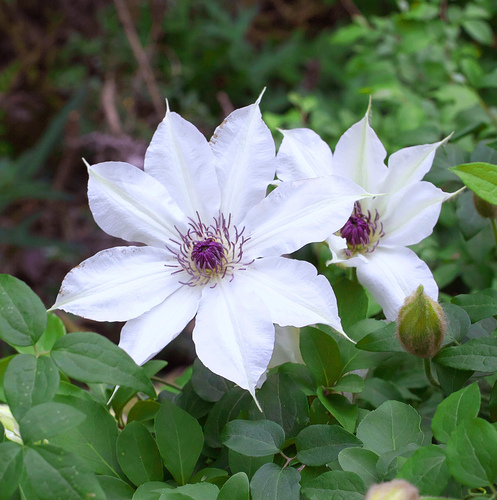
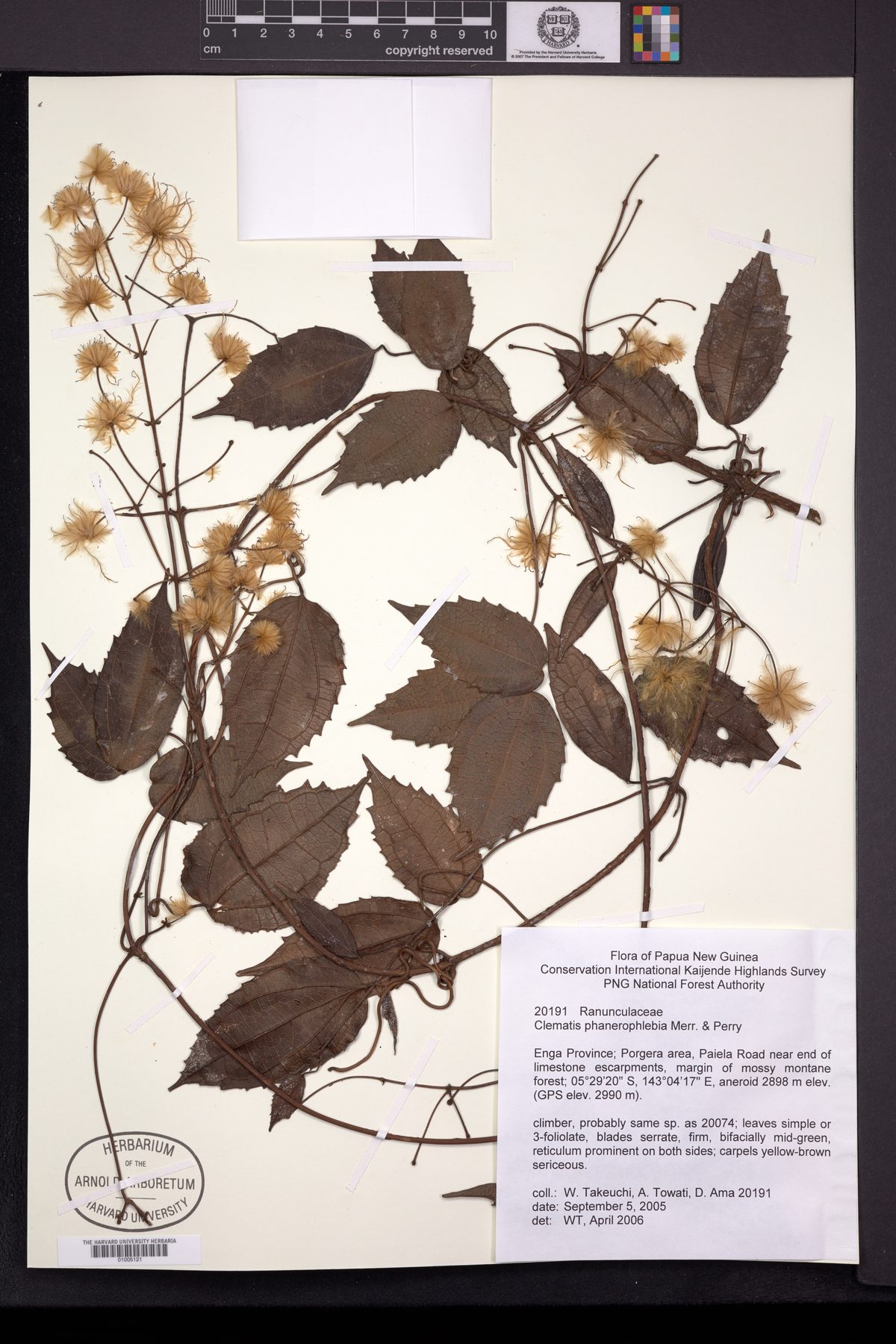
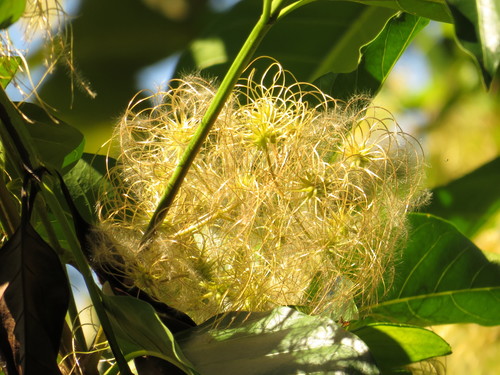
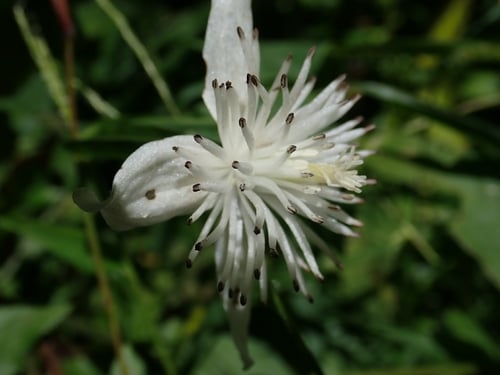
Ranunculus quelpaertensis
(Lév.) Nakai
gbif· cc0
President and Fellows of Harvard College
gbif· cc0
President and Fellows of Harvard College
gbif· cc0
President and Fellows of Harvard College
Summary
A perennial reaching 0.6 m (2 ft) tall with hermaphrodite flowers blooming May to July. Suitable for light sandy, medium loamy, and heavy clay soils across mildly acidic to basic pH. Can grow in semi-shade or full sun and prefers moist to wet soil.
Description
A perennial reaching 0.6 m (2 ft) tall with hermaphrodite flowers blooming May to July. Suitable for light sandy, medium loamy, and heavy clay soils across mildly acidic to basic pH. Can grow in semi-shade or full sun and prefers moist to wet soil.
Edible Uses
Leaves are edible when cooked. Some caution is advised due to the plant's toxicity.
Medicinal Uses
None known.
Distribution
It is a temperate plant.
Where It Grows
Asia, China, Japan, Korea,
Propagation
Sow seed in spring in a cold frame. Prick seedlings out into individual pots once large enough to handle, and plant out during summer. Can also be propagated by division in spring.
Other Uses
None known.
Notes
There are about 400 Ranunculus species.
References (1)
- Plants for a Future database, The Field, Penpol, Lostwithiel, Cornwall, PL22 0NG, UK. http://www.scs.leeds.ac.uk/pfaf/