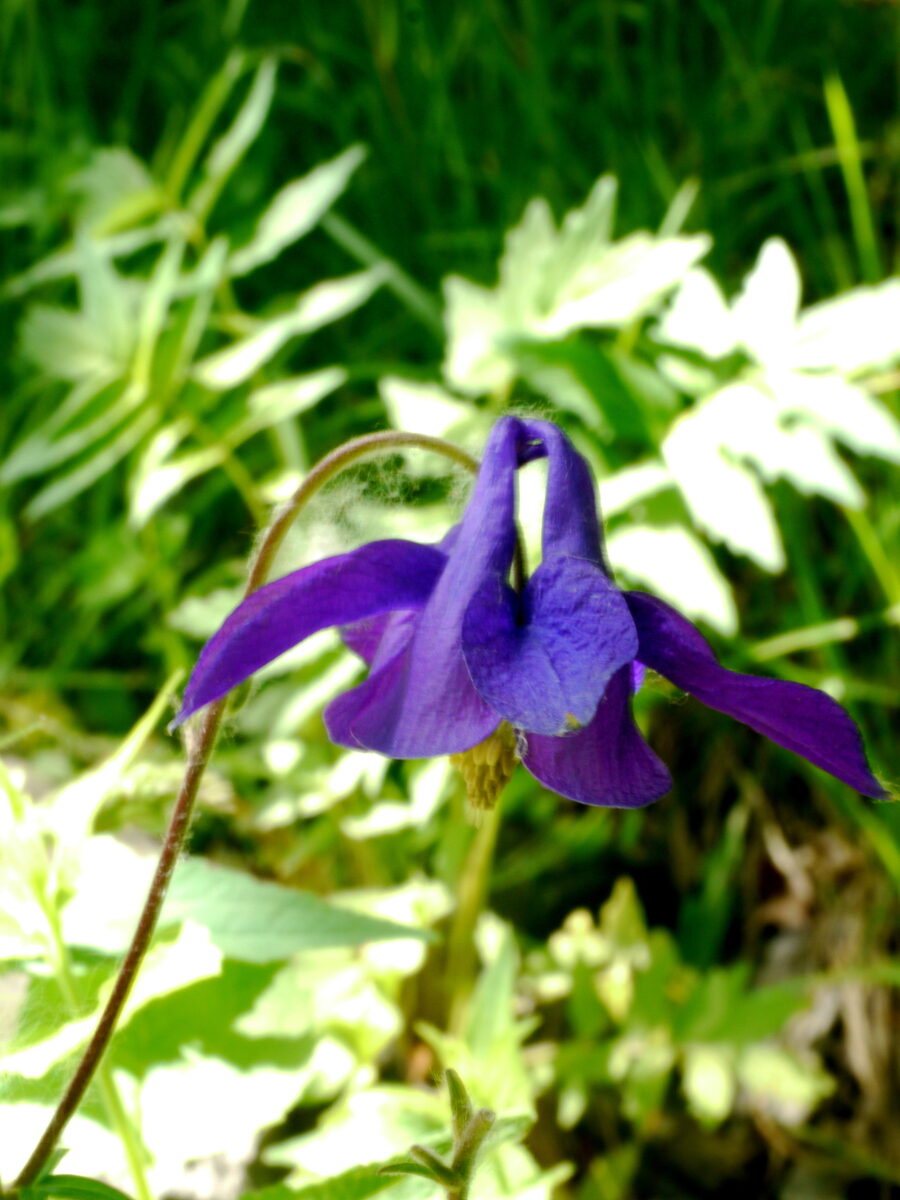
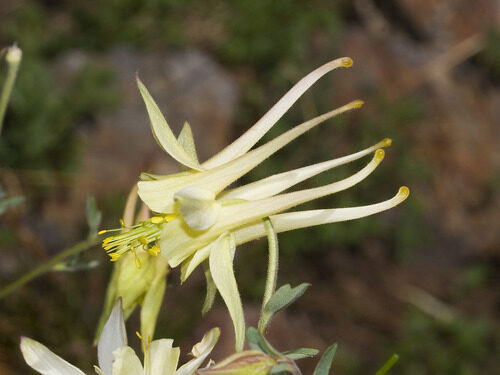
Thalictrum aquilegiifolium
L.
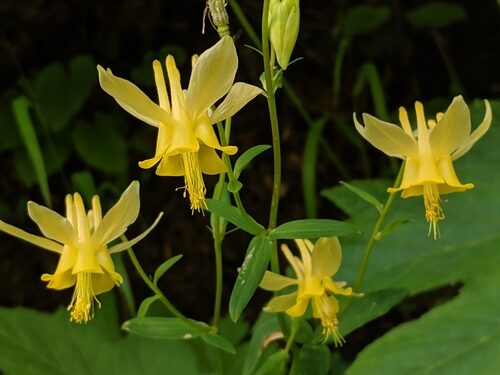
iNaturalist· cc-by-nc
(c) mauro_fioretto, some rights reserved (CC BY-NC)
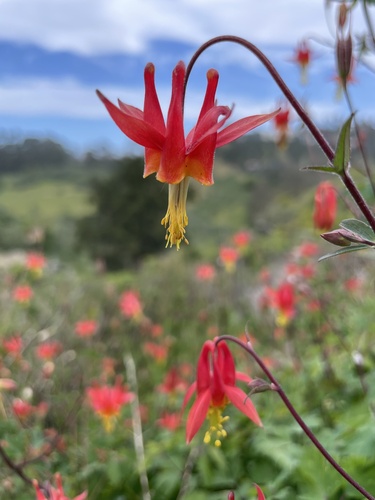
iNaturalist· cc-by
(c) Fyodor Pudovikov, some rights reserved (CC BY), uploaded by Fyodor Pudovikov
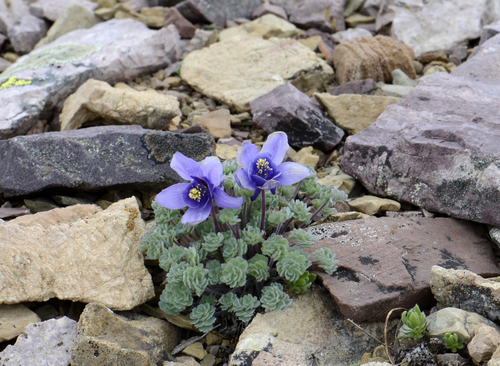
iNaturalist· cc-by-nc
(c) morusbassanus, some rights reserved (CC BY-NC)
Description
Thalictrum aquilegiifolium is a PERENNIAL growing to 1 m (3ft 3in) by 0.5 m (1ft 8in). See above for USDA hardiness. It is hardy to UK zone 6. It is in flower from May to July, and the seeds ripen from July to September. The species is hermaphrodite (has both male and female organs) and is pollinated by Insects, wind. Suitable for: light (sandy), medium (loamy) and heavy (clay) soils and prefers well-drained soil. Suitable pH: mildly acid, neutral and basic (mildly alkaline) soils. It can grow in semi-shade (light woodland) or no shade. It prefers moist soil.
Edible Uses
Root - raw or roasted. Caution is advised, there is one report that suggests that the root is particularly poisonous. Young leaves - cooked. Caution is advised, they are possibly poisonous.
Medicinal Uses
Cytostatic. Cytostatic.
Known Hazards
The whole plant is poisonous, particularly the root.
Distribution
E. and C. Europe to Asia.
Where It Grows
TEMPERATE ASIA: Turkey (northwest), Russian Federation-Western Siberia (Western Siberia), Russian Federation-Eastern Siberia (Eastern Siberia), Russian Federation-Far East (Far East), China (Hebei Sheng, Heilongjiang Sheng, Jilin Sheng, Liaoning Sheng, Nei Mongol Zizhiqu, Shandong Sheng, Shanxi Sheng), Japan (Hokkaidô, Honshu, Kyushu, Shikoku) EUROPE: Sweden (south), Austria, Switzerland, Czech Republic, Germany, Hungary, Poland, Slovakia, Russian Federation (European part), Belarus, Estonia, Lithuania, Latvia, Moldova, Ukraine, Albania, Bulgaria, Bosnia and Herzegovina, Greece, Croatia, Italy, North Macedonia, Montenegro, Romania, Serbia, Slovenia, Spain (north), France (south)
Cultivation
Succeeds in most fairly good soils in sun or semi-shade. Prefers a humus rich soil. A very ornamental plant, it is hardy to about -25°c. Grows well on a woodland edge. A greedy plant, inhibiting the growth of nearby plants, especially legumes. Members of this genus are rarely if ever troubled by browsing deer.
Propagation
Seed - best sown as soon as it is ripe in the autumn in a cold frame. When they are large enough to handle, prick the seedlings out into individual pots and plant them out in the summer. The seed can also be sown in an outdoor seedbed in spring. Plant them into their permanent positions the following spring. Division in spring as new growth commences or in the autumn. Larger divisions can be planted out direct into their permanent positions. We have found that it is best to pot up smaller divisions and grow them on in light shade in a greenhouse or cold frame until they are growing away well. Plant them out in the summer or the following spring.