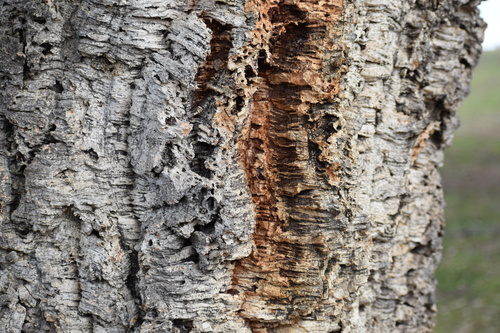
Castanopsis philipensis
(Blanco) Vidal
Philippine chestnut
gbif· cc0
President and Fellows of Harvard College
gbif· cc0
President and Fellows of Harvard College
gbif· cc0
President and Fellows of Harvard College
Summary
Source: WikipediaCastanopsis philipensis is a tree species in the family Fagaceae. It is native to the Philippines.
Description
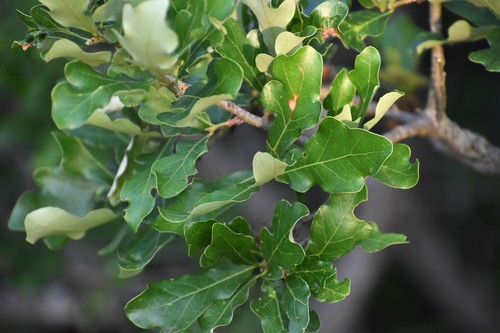
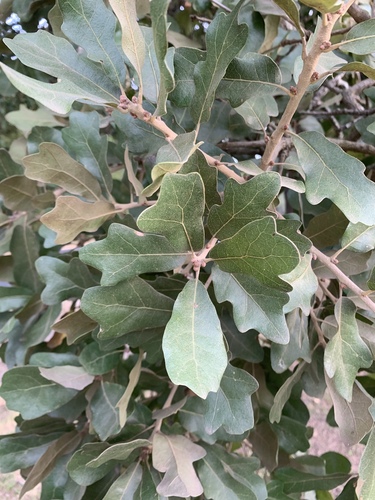
A medium sized tree. The leaves are alternate pointed at both ends and from 4 to 15 cm long. The fruit grows in bunches. The individual fruit have spiny coverings with chestnut shaped nuts about 1.5 cm long.
Edible Uses
Seed. A flavour like chestnuts (Castanea sativa). The seeds are about 15mm long and 20mm wide. The seed can be up to 35mm long.
Traditional Uses
The seed kernels are eaten raw or roasted.
This uses section is brief — help expand it
Distribution
A tropical plant. Apparently not abundant. Occurs in Bulacan, Camarines, Rizal, Leyte and Quezon in the Philippines.
Where It Grows
Asia, Pacific, Philippines, SE Asia,
Cultivation
Castanopsis species are generally tolerant of a range of soils, preferably well-drained. They succeed in full sun, though young plants generally grow best in dappled woodland shade.
Propagation
Seed - easy to germinate if sown fresh. Self-sown seedlings can be transplanted.
Other Uses
The bark is a source of tannins and can be used as a dye, to weatherproof fibres etc. The branches and stems of many Castanopsis species are used as bed logs in mushroom cultivation. The wood is used. The wood is a good fuel and can be used to make charcoal.
Notes
There are about 120 Castanopsis species. Many have edible nuts.
Synonyms
References (6)
- Brown, W.H., 1920, Wild Food Plants of the Philippines. Bureau of Forestry Bulletin No. 21 Manila. p 31
- Monsalud, M.R., Tongacan, A.L., Lopez, F.R., & Lagrimas, M.Q., 1966, Edible Wild Plants in Philippine Forests. Philippine Journal of Science. p 470
- Revis. pl. vasc. filip. 265. 1866
- Soepadmo, 1972, Fagaceae, Flora Malesiana. Ser 1. Vol. 7 (2) p 316
- Wickens, G.E., 1995, Edible Nuts. FAO Non-wood forest products. FAO, Rome. p 125
Show all 6 references Hide references
- World Checklist of Useful Plant Species 2020. Royal Botanic Gardens, Kew