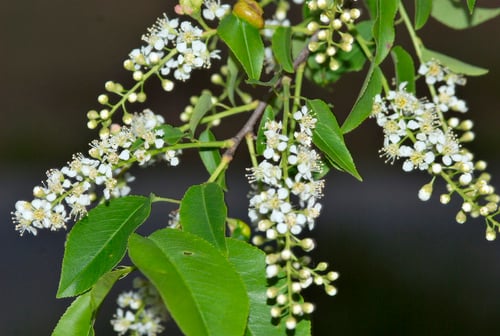
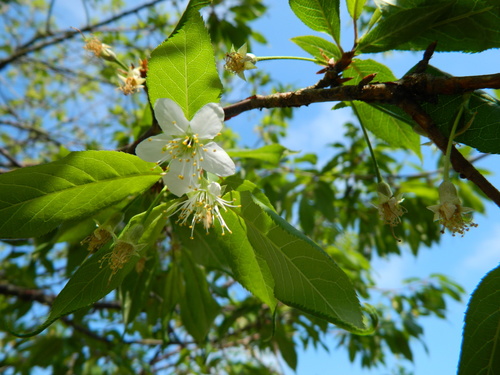
Pyrus maximowicziana
(Lév.) Nakai
No photos yet for Pyrus maximowicziana
Sign in to contribute a photoSummary
A deciduous tree with hermaphroditic flowers pollinated by insects. Suitable for light sandy, medium loamy, and heavy clay soils with adequate drainage. Tolerates mildly acidic to mildly alkaline soil pH. Grows in partial or full sun and is both drought and pollution-tolerant.
Description
A deciduous tree with hermaphroditic flowers pollinated by insects. Suitable for light sandy, medium loamy, and heavy clay soils with adequate drainage. Tolerates mildly acidic to mildly alkaline soil pH. Grows in partial or full sun and is both drought and pollution-tolerant.
Edible Uses
The fruit is probably edible.
Medicinal Uses
None known
Known Hazards
None known
Distribution
It is a temperate plant.
Where It Grows
Asia, Korea,
Propagation
Seed is best sown in a cold frame as soon as it is ripe in autumn, when it will typically germinate in mid to late winter. Stored seed requires 8–10 weeks of cold stratification at 1°c and should be sown as early in the year as possible. Temperatures above 15–20°c can induce secondary dormancy. Prick out seedlings into individual pots once large enough to handle, and grow on in light shade in a cold frame or greenhouse for their first year. Plant out in late spring or early summer the following year.
Other Uses
None known
References (1)
- Plants for a Future database, The Field, Penpol, Lostwithiel, Cornwall, PL22 0NG, UK. http://www.scs.leeds.ac.uk/pfaf/