Pulsatilla cernua
(Thunb.) Bercht. & C. Presl.
Nodding Anemone
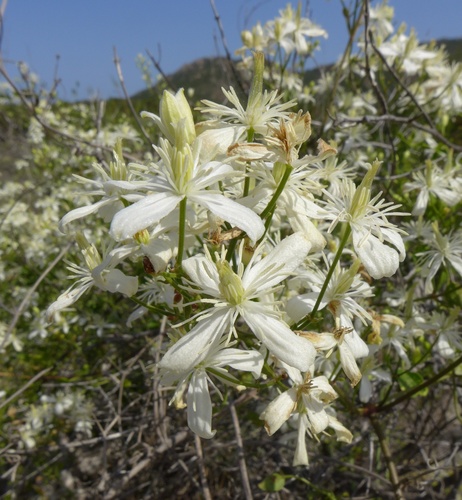
iNaturalist· cc-by
(c) Kim, Hyun-tae, some rights reserved (CC BY), uploaded by Kim, Hyun-tae
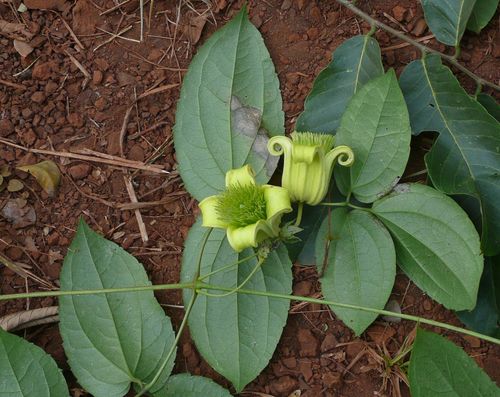
iNaturalist· cc-by
(c) Kim, Hyun-tae, some rights reserved (CC BY), uploaded by Kim, Hyun-tae
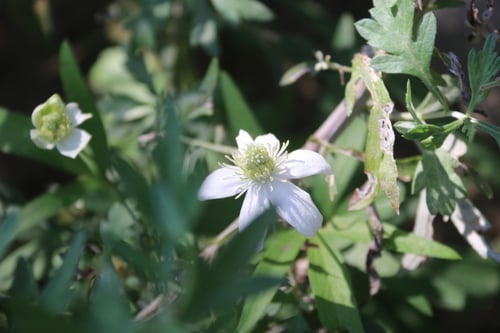
iNaturalist· cc-by
(c) Kim, Hyun-tae, some rights reserved (CC BY), uploaded by Kim, Hyun-tae
Summary
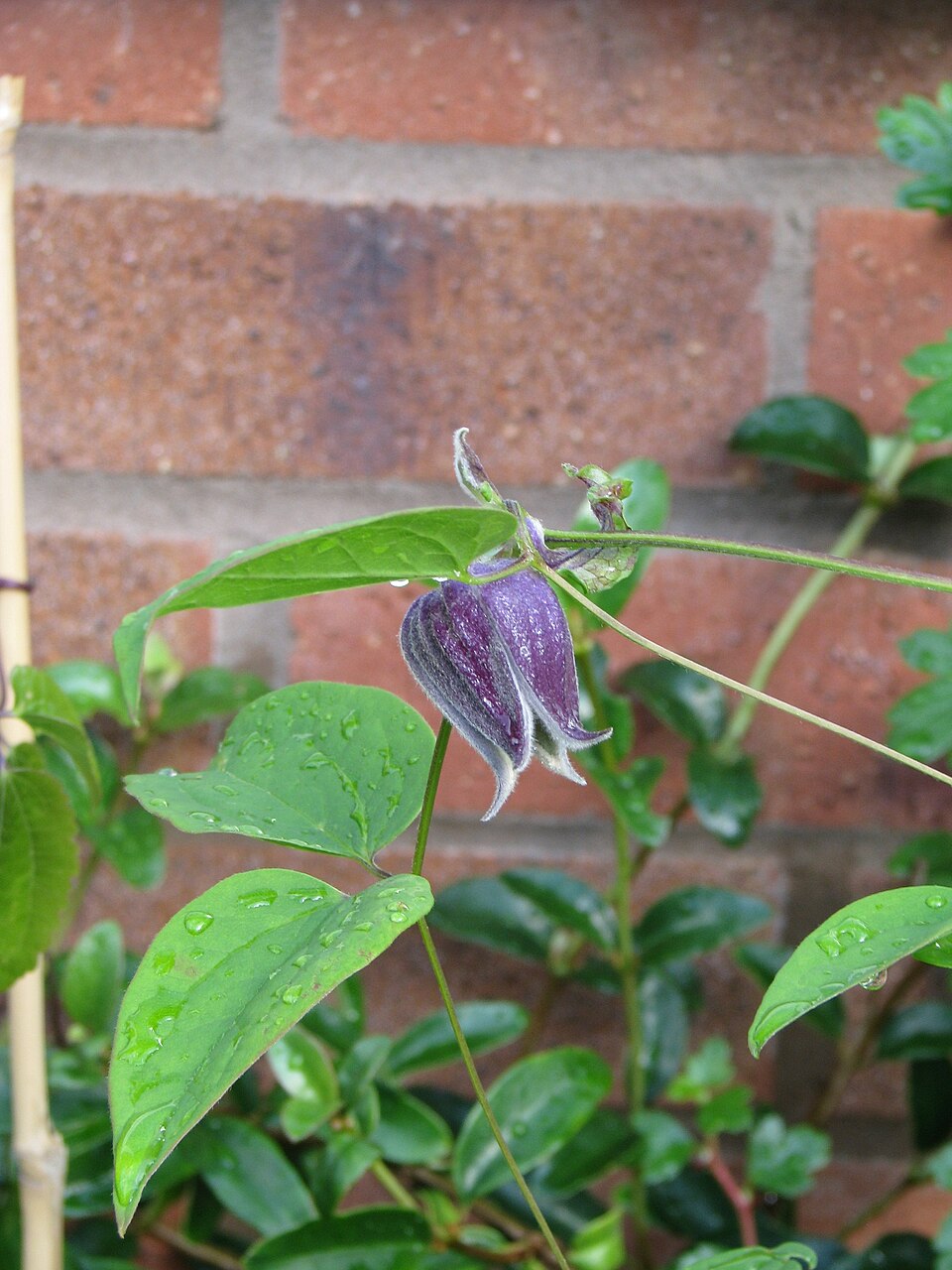
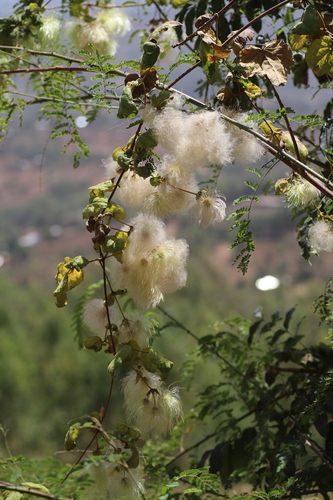
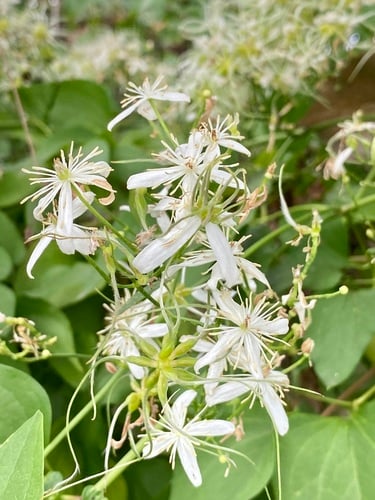
Source: WikipediaPulsatilla cernua, the narrow-leaf pasque-flower, is a species of plant in the family Ranunculaceae. It is a perennial plant. It has dark red/purple flowers with white, silky villose hairs. Pulsatilla cernua flowers from April to May, and then the seeds ripen from May to June. P. cernua is insect pollinated. This plant has both male and female parts, which means it is a hermaphrodite. Most parts of this plant are not edible, except for the roots and leaves.
Description
A compact perennial reaching 20cm tall with a preference for well-drained, sunny locations. Hardy to UK zone 5, it thrives in light sandy or medium loamy soils ranging from mildly acidic to very alkaline. Flowers appear from April to May, with seeds ripening May to June. The plant is hermaphroditic and insect-pollinated, requiring full sun and moist soil conditions.
Edible Uses
Young leaves and roots can be eaten cooked alongside other foods. Some caution is advised given the plant's known toxicity.
Medicinal Uses
The root is anodyne, anti-inflammatory, antispasmodic, astringent and sedative, and is an effective remedy for both bacterial and amoebic dysentery. It is also used to treat nosebleeds and haemorrhoids, and is applied externally for Trichomonas vaginitis. The fresh herb acts as a cardiac and nervous sedative, producing a hypnotic state with diminished senses followed by a paralysing action. A constituent similar to digitalis can be extracted from the whole herb with the roots removed, and this extract is cardiotonic.
Distribution
It is a temperate plant.
Where It Grows
Asia, China, Japan, Korea,
Propagation
Seed is best sown as soon as it is ripe in early summer in a cold frame; it usually germinates within 2–3 weeks. Stored seed sown in late winter in a cold frame takes approximately 1–6 months to germinate at 15°C. Prick seedlings into individual pots when large enough to handle and grow on under glass for at least their first winter before planting out in spring. Root cuttings 4cm long, taken in early winter, can be potted in a peat and sand mix. Cuttings can also be taken in July or August and planted vertically in pots in a greenhouse or frame.
Other Uses
None known.
Notes
There are about 30 Pulsatilla species.
Synonyms
Also Known As
Halmikkot
References (3)
- Kim, H. & Song, M., 2013, Ethnobotanical analysis for traditional knowledge of wild edible plants in North Jeolla Province (Korea). Genetic. Resour. Crop Evol. (2013) 60:1571-1585
- Plants for a Future database, The Field, Penpol, Lostwithiel, Cornwall, PL22 0NG, UK. http://www.scs.leeds.ac.uk/pfaf/
- Prir. rostlin 1(Ranunculaceae):22. 1824