Anisoptera thurifera
(Blanco.) Blume
Anisoptera
iNaturalist· cc-by-nc-sa
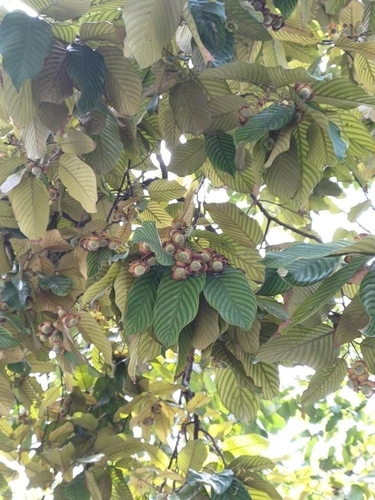
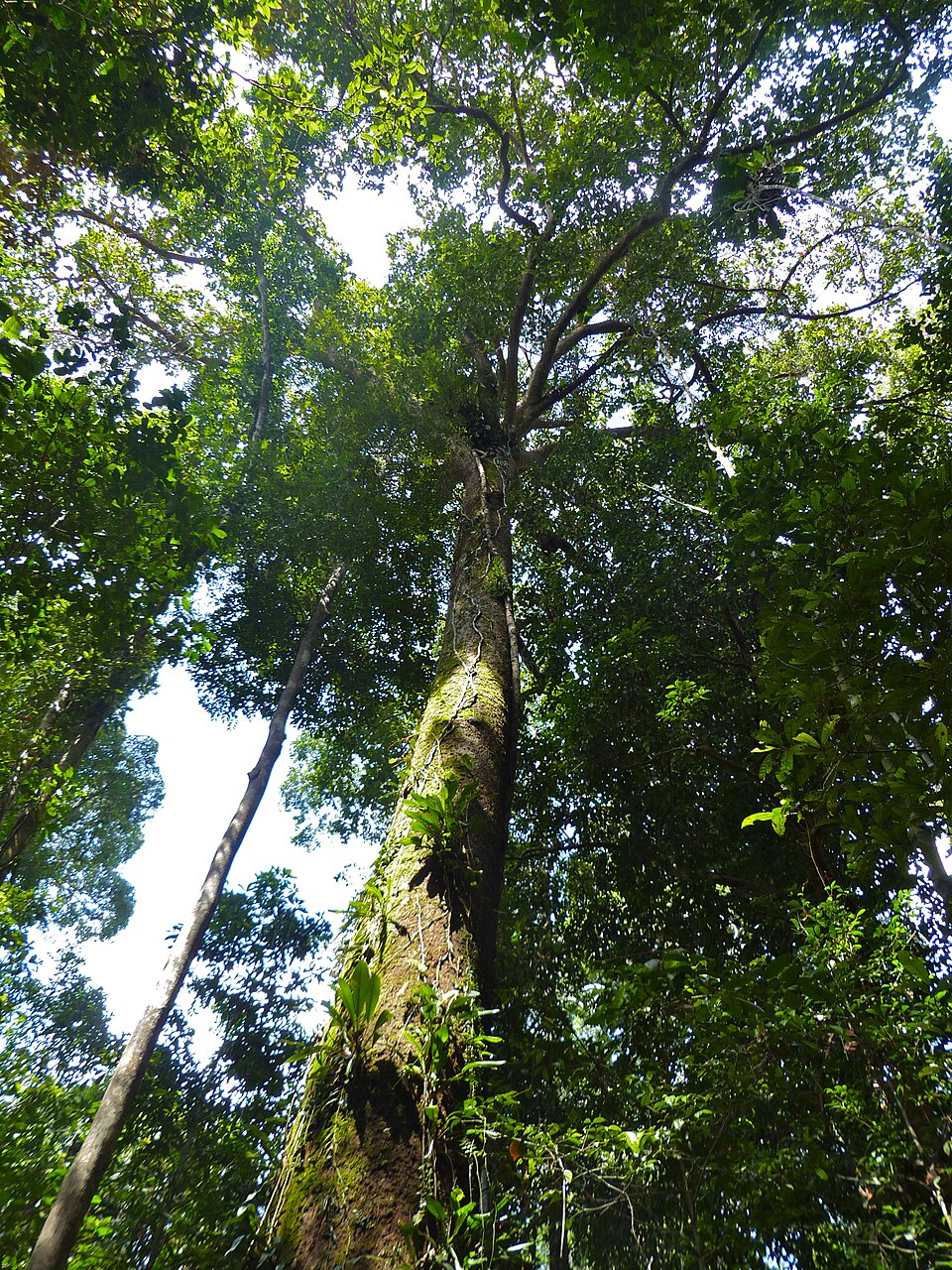
(c) Yanuar Ishaq Dc, some rights reserved (CC BY-NC-SA)
iNaturalist· cc-by-nc-sa
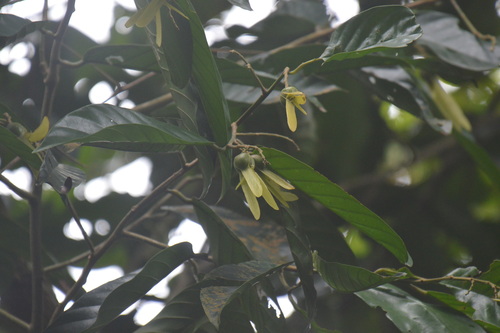
(c) Yanuar Ishaq Dc, some rights reserved (CC BY-NC-SA)
iNaturalist· cc-by-nc
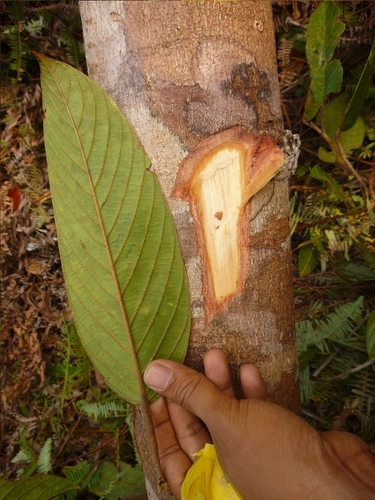
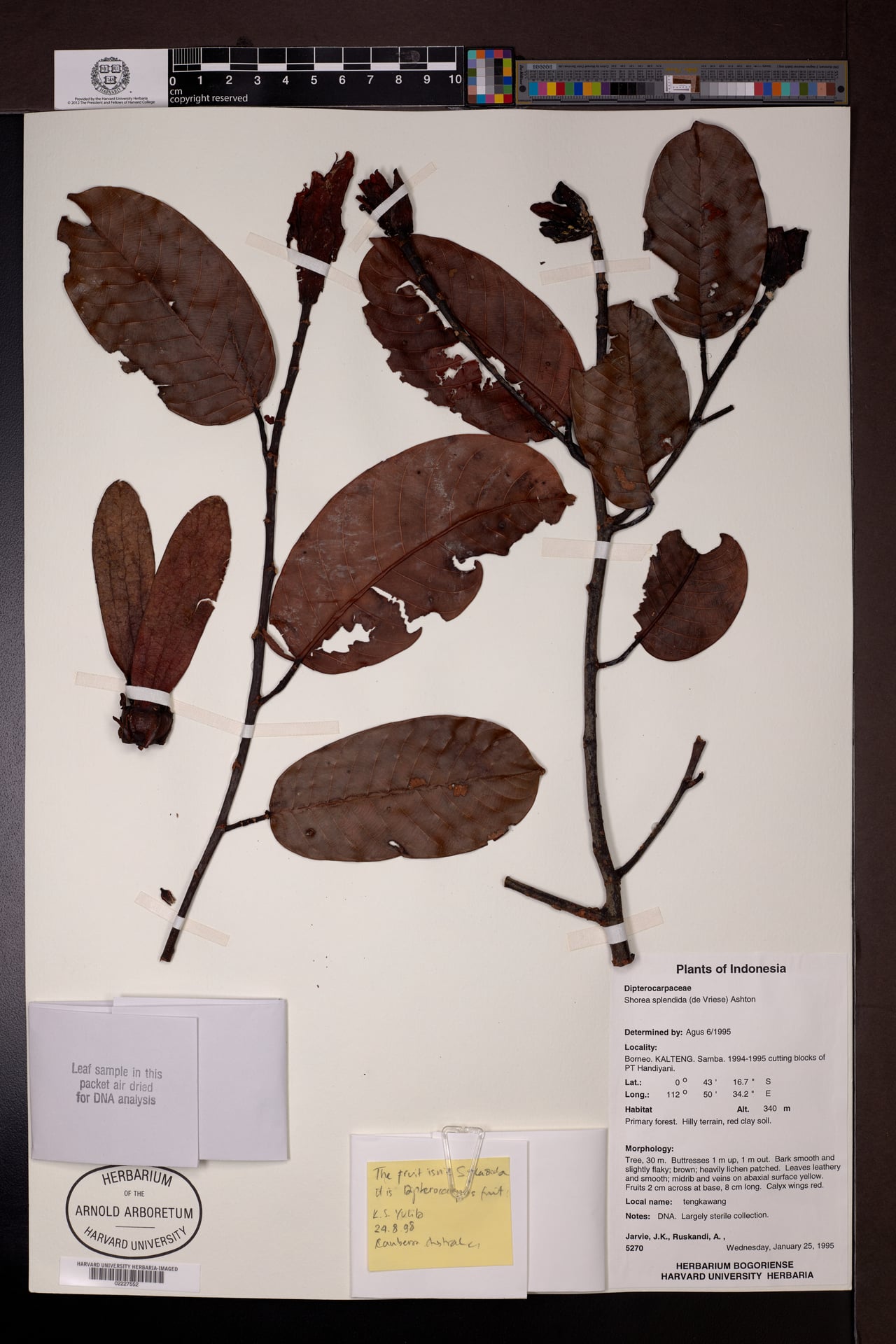
(c) Arief Hamidi, some rights reserved (CC BY-NC)
Summary
Source: WikipediaAnisoptera thurifera is a tree species in the family Dipterocarpaceae. This Asian species has been recorded from Bangladesh through to New Guinea; the IUCN has categorised it as Vulnerable.
Description
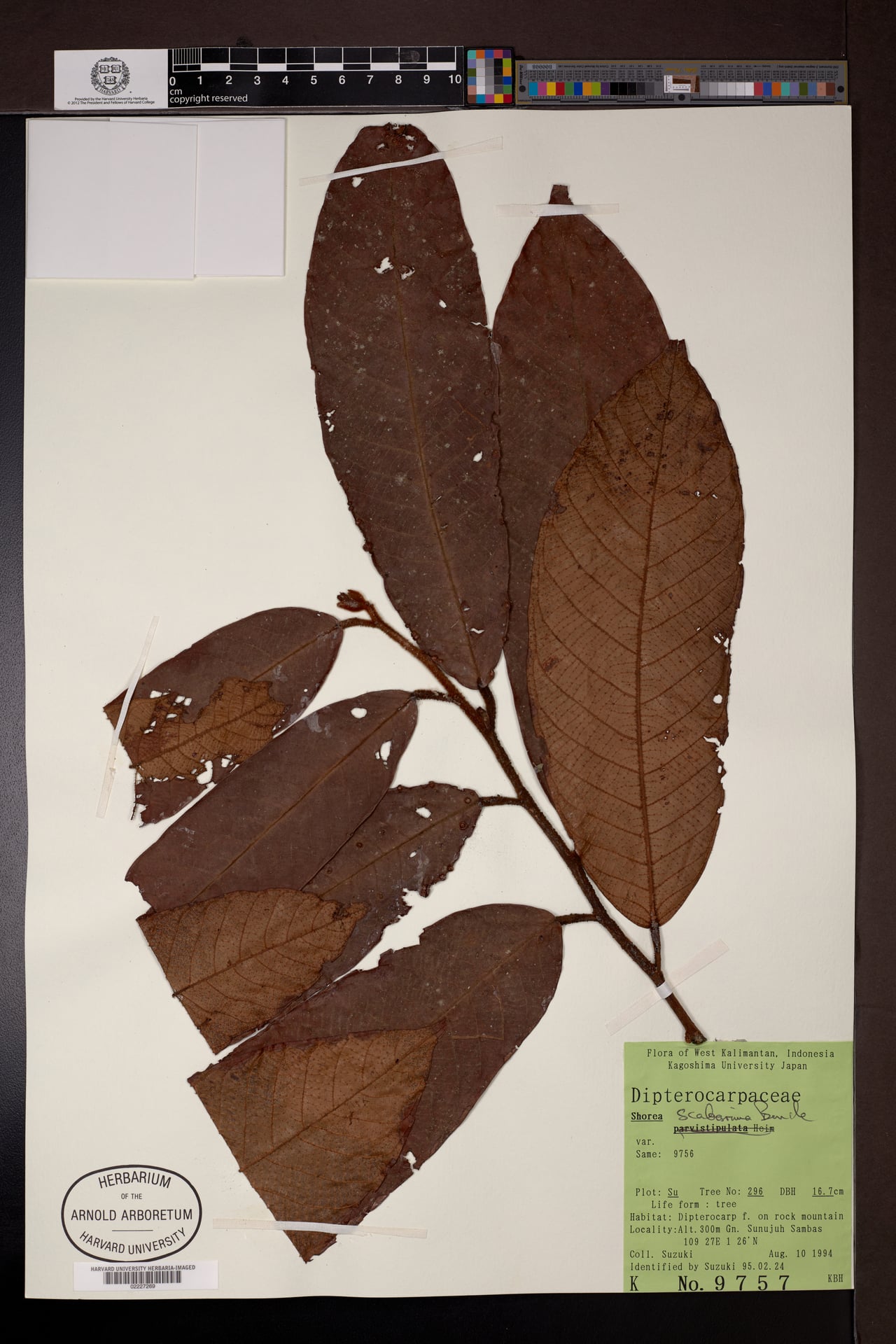
A large forest tree with a straight trunk and buttresses. The tree can be 50 m tall. The trunk can be 1.2 m across. The crown can be large and irregular. The tree can lose its leaves during the year. The bark is 2 cm thick and the outer bark can be reddish brown with rectangular flakes. The wood has gum canals running along it which secrete a clear, strongly smelling resin. The leaves are carried one after another on opposite sides of the branch. The leaves are oval and 12 cm long by 7 cm wide. The base of the leaf is rounded and the tip is slightly pointed. The leaves are moderately thick and leathery. The leaves are green on both sides but duller underneath, and on 3 cm long leaf stalks. The leaves have a brownish-green appearance. These become hairless at maturity. The flowers occur in clusters and droop and are yellow. The clusters occur in the axils of leaves and at the ends of branches. The fruit are round, 1.5-2 cm across with 2 wings along the sides.
Edible Uses
The seeds are pounded and eaten raw or cooked. The gum is chewed.
Traditional Uses
The seeds are pounded and eaten raw or cooked. The gum is chewed.
This uses section is brief — help expand it
Medicinal Uses
The gum is used traditionally.
Distribution
A tropical plant. Common and widely distributed in primary forest at low altitudes in the Philippines. In Papua New Guinea it occurs on ridges in coastal ranges. Often a large number of trees occur together.
Where It Grows
Asia, Malaysia, Pacific, Papua New Guinea, PNG, Philippines, SE Asia,
Cultivation
Trees are often self sown. They can presumably be grown from seed.
Other Uses
The trunk is the source of a resinous oil known as 'Palosapis oil'. It is used locally as an illuminant, for varnishing, and for caulking boats. It has good potential for use in making varnishes. The resin is collected by chopping into the tree and making a cavity where the oil can collect. Often the cuts extend halfway through the trunk. It is customary to remove the resin every few days and to apply fire to the cuts at frequent intervals. It is reported that the same tree can be tapped for a number of years. The yellowish wood is used for construction. The wood is a source of the timber 'Mersawa'. We do not have any more specific information on this species, but the general description of mersawa is as follows:- The heartwood is orange-yellow, darkening to golden brown with whitish resin veins present; it is not clearly demarcated from the 5 - 8cm wide band of sapwood. The texture is coarse; the grain straight or interlocked. The wood is of light to moderate weight; it can be soft to fairly hard; somewhat durable being fairly resistant to termites but susceptible to fungi and dry wood borers. It seasons slowly with only a slight risk of distortion or checking; once dry it is moderately stable to stable in service. The wood contains silica and has a high blunting effect - stellite-tipped and tungsten carbide tools are recommended; there is a tendency to tearing on quartersawn timber; nailing and screwing are good; gluing is correct. The wood has a range of uses including flooring, boxes and crates, interior panelling and joinery, turnery, veneer. A pioneer species within its native range, where it readily invades cultivated land.
Notes
The wood is often used for plywood. There are 12-15 Anisoptera species. They have also been put in the family Dilleniaceae.
Synonyms
Also Known As
Mersawa, Palosapis, Sanai
References (7)
- Burkill, I.H., 1966, A Dictionary of the Economic Products of the Malay Peninsula. Ministry of Agriculture and Cooperatives, Kuala Lumpur, Malaysia. Vol 1 (A-H) p 165
- Conn, B. & Damas, K.. Guide to trees of Papua New Guinea. http:/www.pngplants.org/PNGtrees
- Havel, J.J., 1975, Forest Botany, Volume 3 Part 2 Botanical taxonomy. Papua New Guinea Department of Forests, p 205
- Monsalud, M.R., Tongacan, A.L., Lopez, F.R., & Lagrimas, M.Q., 1966, Edible Wild Plants in Philippine Forests. Philippine Journal of Science. p 461 (As Anisotera thurifera)
- Soerianegara, I. & Lemmens, R. H. M. L., (Eds.) 1993, Timber trees: Major commercial timbers. Plant Resources of South-East Asia. Wageningen. No. 5(1). p 93
Show all 7 references Hide references
- Wickens, G.E., 1995, Edible Nuts. FAO Non-wood forest products. FAO, Rome. p 120
- World Checklist of Useful Plant Species 2020. Royal Botanic Gardens, Kew