Shorea astylosa
Foxw.
Wikipedia· cc-by-sa
Wikimedia Commons - Shorea_astylosa.jpg
wikimedia· cc-by-sa
Wikimedia Commons - JDipterocarpus
Summary
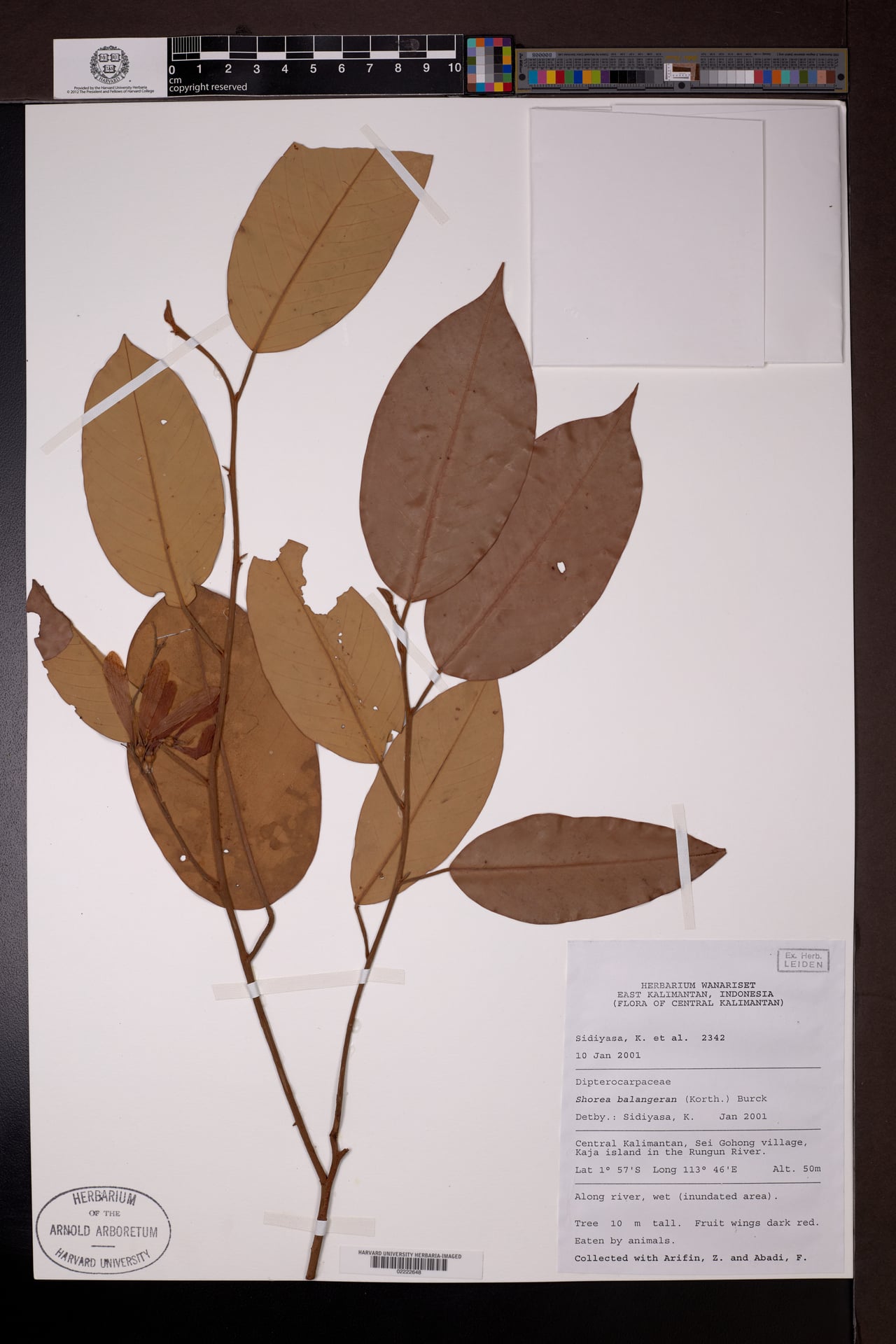
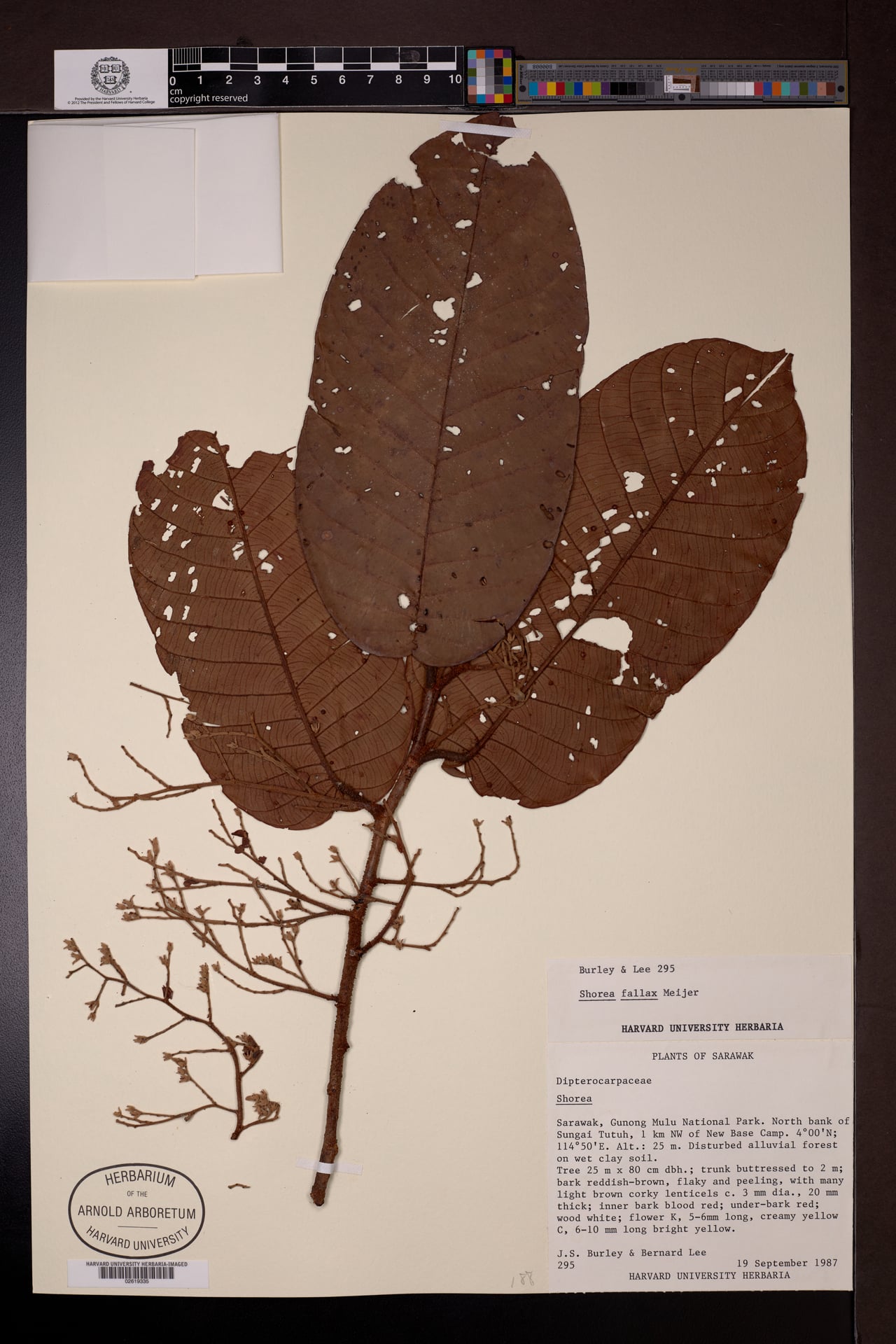
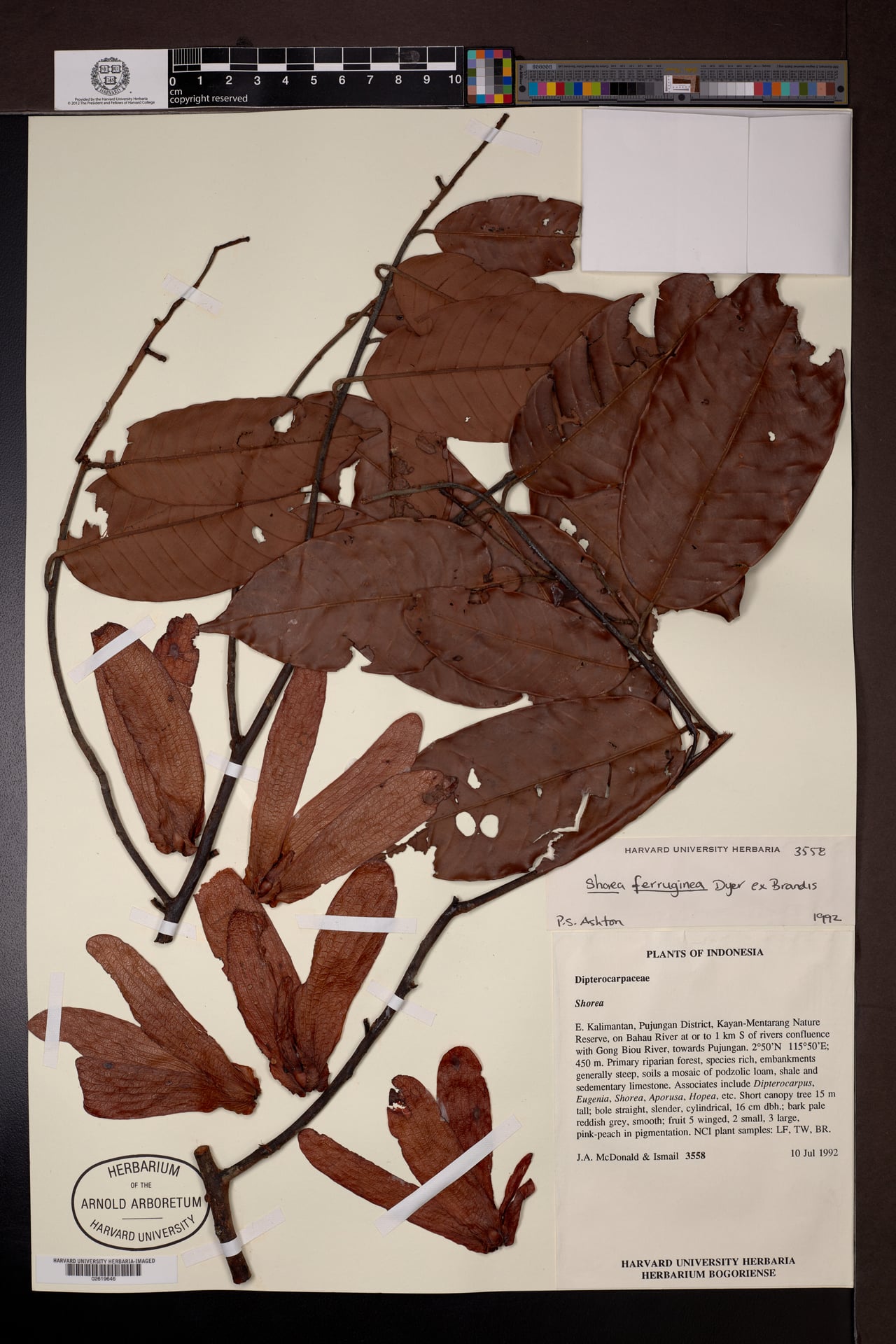
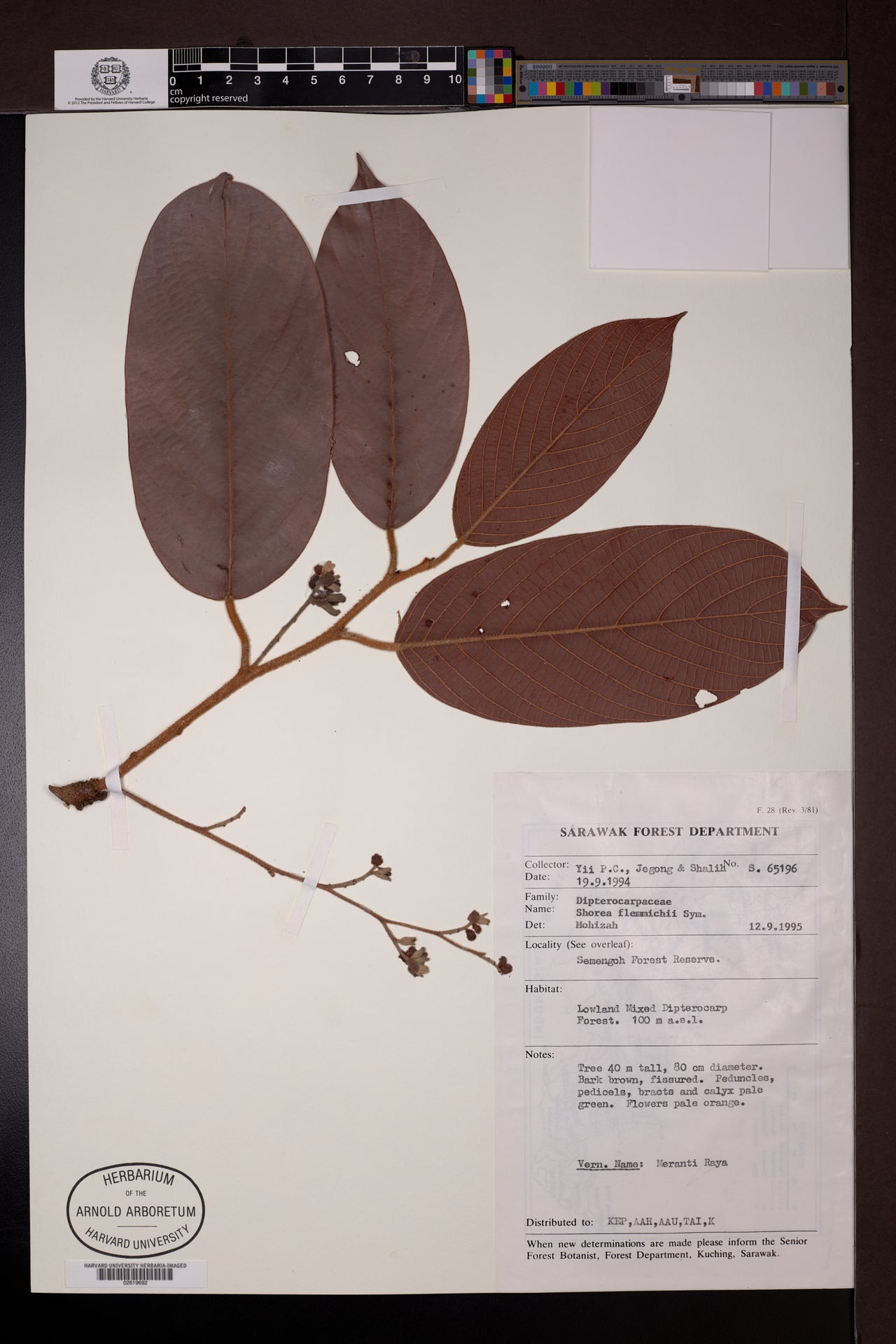
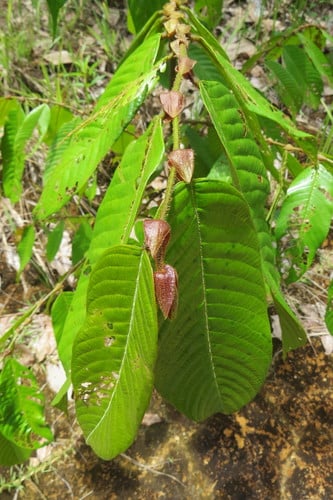
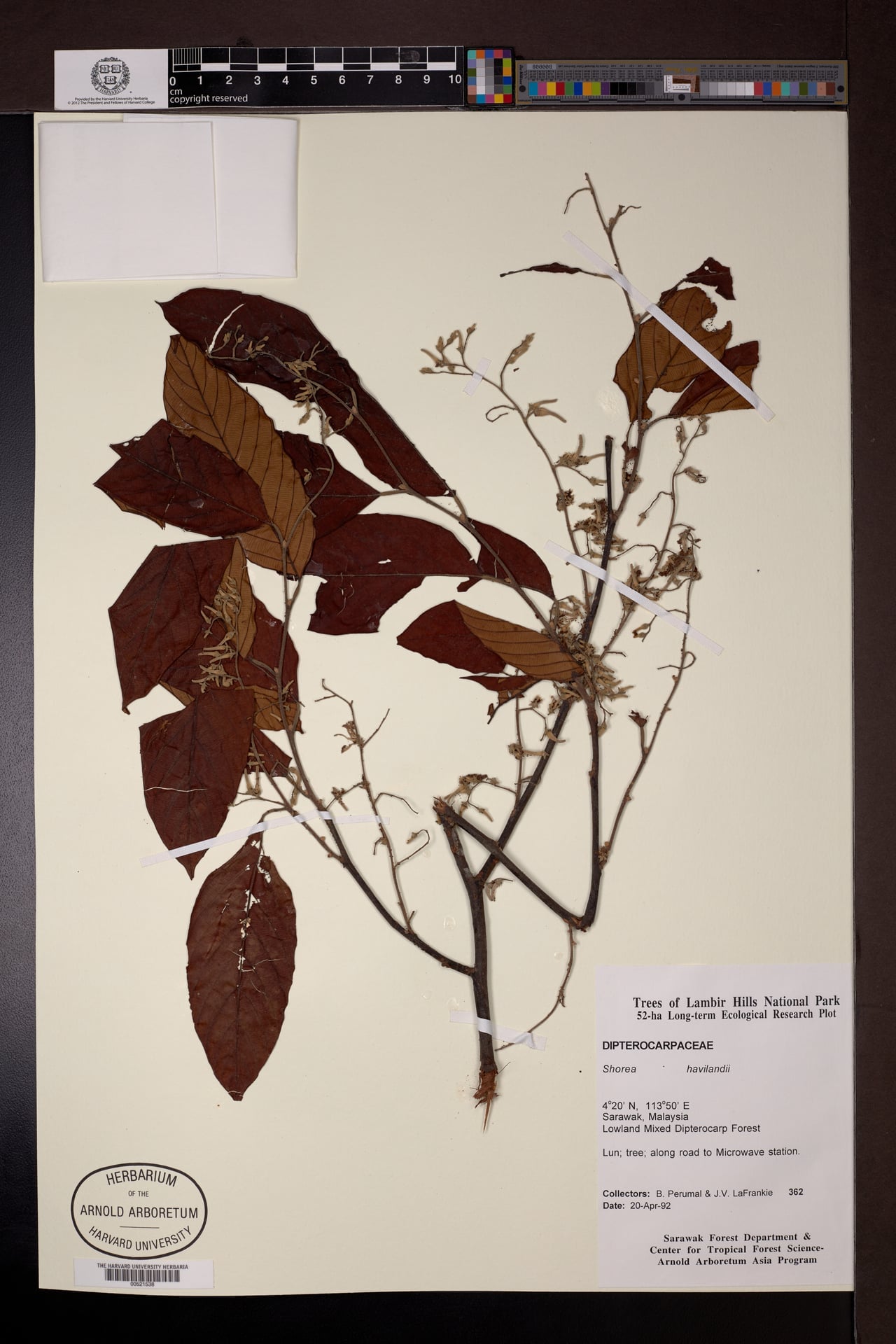
Source: WikipediaShorea astylosa is a species of plant in the family Dipterocarpaceae. It is endemic to the Philippines, where it is known as yakal in the Filipino language. Yakal is a medium to large tree about 25 to 30 meters tall. Its wood is hard and dark brownish-yellow, its branchlets slender, blackish, and slightly hairy. Its leaves are coriaceous, ovate to lanceolate, or oblong-lanceolate or apex acuminate. The base are rounded to cuneate, glabrous above and slightly hairy underneath. Its blade is 6.5-nine centimeters long and two-4.5 centimeters wide, with its petiole slender, 10-23 millimeters long, and dark. Its inflorescence are axillary, paniculate, and up to about six centimeters long, with its flowers yellow, very short-stalked, and about 12 millimeters long. The flowers' petals are narrowly oblong or oblong-lanceolate, more or less twisted in bud, rounded at apex, 18 millimeters long, and reticulate.
Description
A tree. It grows 25-30 m tall. The leaves are 6.5-9 cm long by 2-4.5 cm wide. The flowers are yellow.
This description is brief — help expand it
Distribution
It is a tropical plant.
Where It Grows
Asia, Philippines, SE Asia,
Propagation
We have no specific information for this species - the information below is a general guide for the genus. Seed - best sown as soon as possible. It does not require pre-treatment, but it is recommended to soak the seed for 12 hours prior to sowing. The seeds are sown in seedbeds, where they are covered with a mixture of sand and soil (1:1) or with a thin layer of sawdust. Germination of fresh seeds is usually good and rapid. About two weeks after germination, when the seedlings are 5 - 6cm tall, they are potted up into individual containers about 15 x 23cm with good drainage holes at their base. It is normally recommended to use a mixture of forest soil and sand (at a ratio of 3:1) as the potting medium in order to introduce the appropriate mycorrhiza to the roots. The seedlings are placed in 50 - 60% sunlight and watered twice daily. Seedlings can be planted out when 30 - 40cm tall - harden the seedlings off in full sunlight for one month prior to planting.
Other Uses
The tree is a source of red balau' timber. We do not have a specific description for the wood of this species, but a general description of red balau is as follows:- The heartwood is light to dark red-brown, or purplish red-brown to grey-brown; it is clearly demarcated from the 3 - 8cm wide band of sapwood. The texture is medium; the grain interlocked. The wood is heavy, hard, moderately durable, being resistant to dry wood borers and moderately resistant to fungi and termites. The wood seasons slowly with a high risk of distortion and checking; once dry it is moderately stable in service. It has a fairly high blunting effect upon tools, power-driven stellite-tipped and tungsten carbite tools are recommended; nailing and screwing are good, but pre-boring is necessary to avoid splitting; gluing is correct for interior purposes. The wood has a variety of uses including light construction, flooring, exterior joinery, musical instruments, boxes and crates etc.
Also Known As
Bultic, Yakal