Prunus pumila
L.
Sand cherry, Dwarf cherry
iNaturalist· cc-by-nc
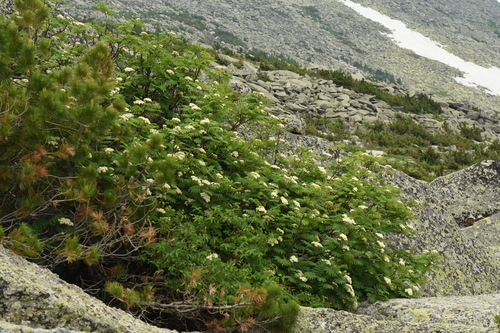
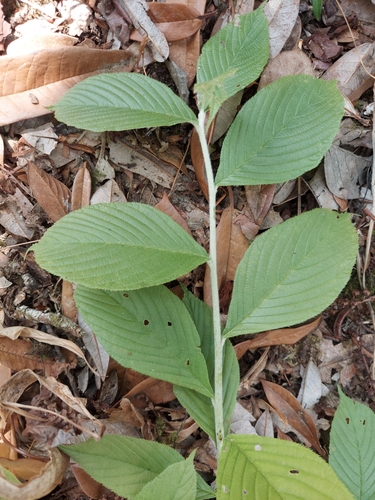
(c) Sara Rall, some rights reserved (CC BY-NC)
iNaturalist· cc-by-nc
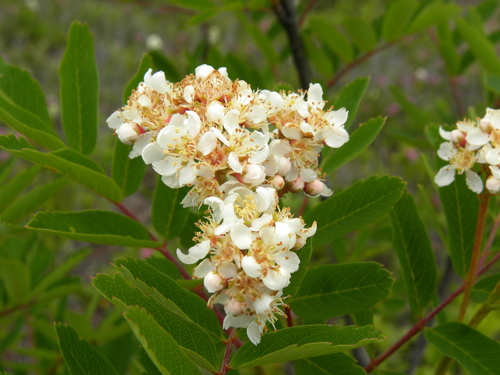
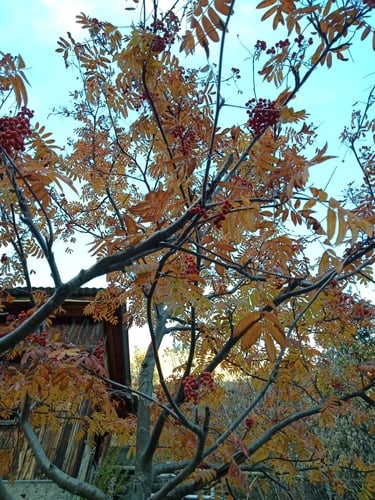
(c) Joe Walewski, some rights reserved (CC BY-NC), uploaded by Joe Walewski
iNaturalist· cc-by-nc
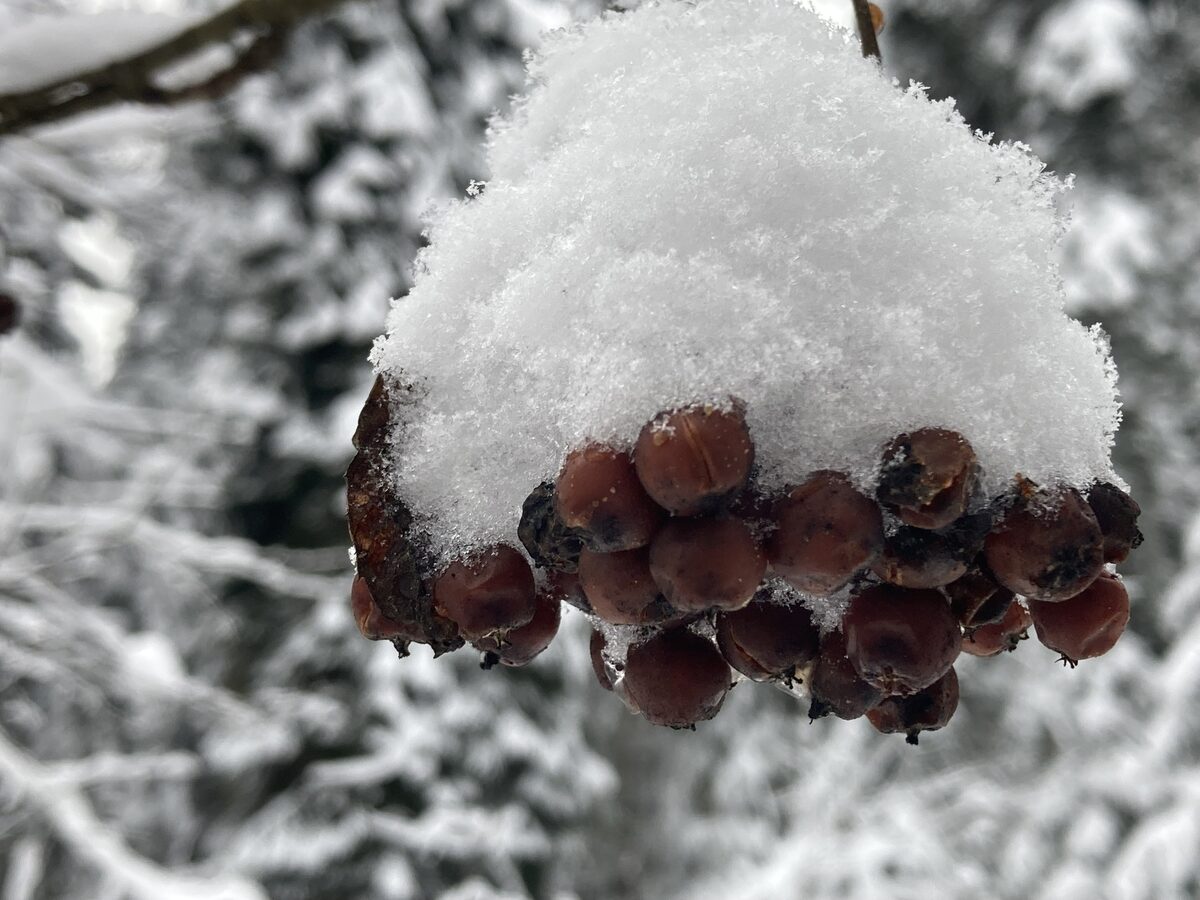
(c) Sara Rall, some rights reserved (CC BY-NC)
Summary
Source: WikipediaPrunus pumila, commonly called sand cherry, is a North American species of cherry in the rose family. It is widespread in eastern and central Canada from New Brunswick west to Saskatchewan and the northern United States from Maine to Montana, south as far as Colorado, Kansas, Indiana, and Virginia, with a few isolated populations in Tennessee and Utah. It grows in sandy locations such as shorelines and dunes. Prunus pumila is a deciduous shrub that grows to 0.61–1.83 metres (2–6 feet) tall depending on the variety. It forms dense clonal colonies by sprouts from the root system. The leaves are leathery, 4–7 centimetres (1+5⁄8–2+3⁄4 inches) long, with a serrated margin. The flowers are 15–25 millimetres (9⁄16–1 in) in diameter with five white petals and 25–30 stamens. They are produced in small clusters of two to four. The fruit is a small cherry 13–15 mm (1⁄2–9⁄16 in) in diameter, ripening to dark purple in early summer. Varieties Prunus pumila var. besseyi (Bailey) Gleason, western sand cherry (also called Rocky Mountain cherry) – Saskatchewan, Manitoba, western Ontario, south to Colorado and Kansas Prunus pumila var. depressa (Pursh) Gleason, eastern sand cherry – Ontario, Québec, New Brunswick south to Pennsylvania Prunus pumila var. pumila, Great Lakes sand cherry – shores of Great Lakes Prunus pumila var. susquehanae (hort. ex Willd.) Jaeger, Susquehana sand cherry – from Manitoba east to Maine, south to Tennessee Prunus × cistena (purple leaf sand cherry) is a hybrid of Prunus cerasifera (cherry plum) and P. pumila. It was developed by Niels Ebbesen Hansen of South Dakota State University in 1910. They grow to be about 2.1 m (7 ft) tall and can live for up to 20 years.
Description
It is a low growing shrub. It grows 75 cm high and spreads 75 cm wide. The leaves are grey-green. They are 35 mm long. There are teeth near the tips. The leaves have a blue tint underneath. The flowers are white and in clusters. The fruit is black or dark red. They can be sweet or acid.
Edible Uses
The fruit is up to 10mm in diameter — the largest of the North American cherries — with a single large seed. When fully ripe it has a rich, pleasantly acid taste, though it can be slightly bitter. It can be eaten out of hand, used in preserves, or dried for later use. The seed is also edible raw or cooked, but should be avoided if too bitter due to potential toxicity.
Traditional Uses
The fruit are eaten raw. They are also dried and preserved. They are also mixed with sour apple-juice to make a jelly.
This uses section is brief — help expand it
Medicinal Uses
No specific research has been recorded for this species, but like all members of the genus it contains amygdalin and prunasin, compounds that break down in water to release hydrocyanic acid (prussic acid). In small amounts this highly poisonous substance can stimulate respiration, aid digestion, and produce a sense of well-being.
Known Hazards
Although no specific mention has been seen for this species, it belongs to a genus where most, if not all members of the genus produce hydrogen cyanide, a poison that gives almonds their characteristic flavour. This toxin is found mainly in the leaves and seed and is readily detected by its bitter taste. It is usually present in too small a quantity to do any harm but any very bitter seed or fruit should not be eaten. In small quantities, hydrogen cyanide has been shown to stimulate respiration and improve digestion, it is also claimed to be of benefit in the treatment of cancer. In excess, however, it can cause respiratory failure and even death.
Distribution
Temperate. It grows well on sandy soils. It suits hardiness zones 2-9.
Where It Grows
Australia, Canada, North America, USA,
Cultivation
Requires a well-drained moisture retentive soil. Thrives in a loamy soil, doing well on limestone. Prefers some chalk in the soil but apt to become chlorotic if too much is present. Requires a sunny position. Established plants are very drought resistant. This species is hardy to about -35°c when the plants are fully dormant, though the young growth in spring is fairly tender. Plants are susceptible to mildew in low areas. Plants thrive in areas with a short growing season. The fruits are highly resistant to all fruit worms. Plants can produce fruit in 3 years from seed. A single plant, growing at Hilliers Arboretum in 1999, produced a good crop of fruit with viable seed, so the species is almost certainly self-fertile. Most members of this genus are shallow-rooted and will produce suckers if the roots are damaged. Plants in this genus are notably susceptible to honey fungus.
Propagation
Seed requires 2–3 months of cold stratification and is best sown in a cold frame as soon as it is ripe. Stored seed should be sown as early in the year as possible. Protect seed from mice. Germination can be slow, sometimes taking 18 months. Prick seedlings into individual pots when large enough to handle, overwinter in a greenhouse or cold frame, then plant out in late spring or early summer the following year. Cuttings of half-ripe wood with a heel can be taken in July/August in a frame. Softwood cuttings from vigorous plants can be taken in spring to early summer in a frame. Layering can be done in spring.
Other Uses
A green dye can be obtained from the leaves, and a dark grey to green dye from the fruit. The plant is used as a rootstock for sour cherry.
Production
The fruit including pits are pounded and made into a jelly like mass which can be dried and stored.
Notes
There are about 200 Prunus species.
Synonyms
References (14)
- Beckstrom-Sternberg, Stephen M., and James A. Duke. "The Foodplant Database." http://probe.nalusda.gov:8300/cgi-bin/browse/foodplantdb.(ACEDB version 4.0 - data version July 1994)
- Cundall, P., (ed.), 2004, Gardening Australia: flora: the gardener's bible. ABC Books. p 1096
- Facciola, S., 1998, Cornucopia 2: a Source Book of Edible Plants. Kampong Publications, p 203
- Fisk, J. R. & Hoover, E., 2015, Wild Fruits of Minnesota. A Field Guide. University of Minnesota p 14
- Glowinski, L., 1999, The Complete Book of Fruit Growing in Australia. Lothian. p 71
Show all 14 references Hide references
- Hedrick, U.P., 1919, (Ed.), Sturtevant's edible plants of the world. p 528
- Kermath, B. M., et al, 2014, Food Plants in the Americas: A survey of the domesticated, cultivated and wild plants used for Human food in North, Central and South America and the Caribbean. On line draft. p 714
- Kiple, K.F. & Ornelas, K.C., (eds), 2000, The Cambridge World History of Food. CUP p 1848
- MacKinnon, A., et al, 2009, Edible & Medicinal Plants of Canada. Lone Pine. p 86
- Moerman, D. F., 2010, Native American Ethnobotany. Timber Press. p 442
- Mant. pl. 1:75. 1767
- Plants for a Future, The Field, Penpol, Lostwithiel, Cornwall, PL22 0NG, UK. http://www.scs.leeds.ac.uk/pfaf/
- Toupal, R. S. & Hollenback, K., 2009, An Ethnobotany of Indiana Dunes National Lakeshore: Plant Uses of the Ojibwa People. Bureau of Applied Research in Anthropology. University of Arizona
- Watkins, R., 1979, Cherry, plum, peach, apricot and almond, in Simmonds, N.W., (ed), Crop Plant Evolution. Longmans. London. p 242