Rubus irritans
Focke
gbif· cc0
GBIF
gbif· cc0
GBIF
gbif· cc0
GBIF
Description
A herb or small shrub. It grows 10-60 cm tall. The branches are reddish brown with needle-like prickles. There are also soft hairs. The leaves have leaflets along the stalk and one at the end. There are 3 or 5 leaflets. The leaflets are 3-5 cm long by 2-4 cm wide. There are 1-3 flowers in a group at the ends of branches. The flowers are 2 cm across and the petals are white. The fruit is aggregate and red. They are 1-1.5 cm across.
Distribution
It is a temperate plant. It grows on slopes and the edges of forests between 2,000-4,500 m above sea level. In Sichuan.
Where It Grows
Afghanistan, Asia, Bhutan, China, Himalayas, India, Pakistan,
Dangerous Lookalikes
This plant can be confused with the following toxic species. Always verify identification carefully before consuming any wild plant.
Red Baneberry
Actaea rubra
Walter Siegmund (talk)
Rubus irritans
Rubus irritans
GBIF
Red Baneberry: Short herbaceous plant (no thorns), berries on thick red stems, each berry has a single seed, compound sharply-toothed leaves.
Rubus irritans: Thorny woody canes (brambles), aggregate berry made of many drupelets, berries pull easily from receptacle.
References (3)
- Biblioth. Bot. 72:192. 1911 (Sp. rub. 192.)
- "Chinese Nutrition Journal", 2002, Vol 23(8) p 298 (As Rubus irritos)
- www.efloras.org Flora of China Volume 9
More from Rosaceae
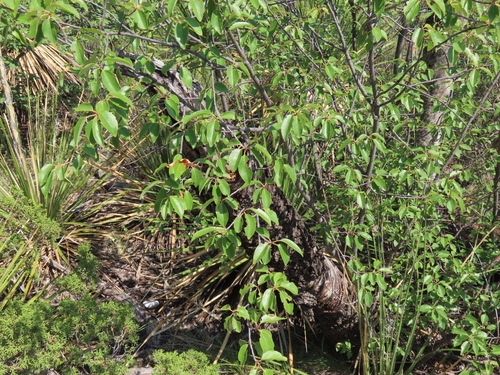
Prunus virens
Wild cherry
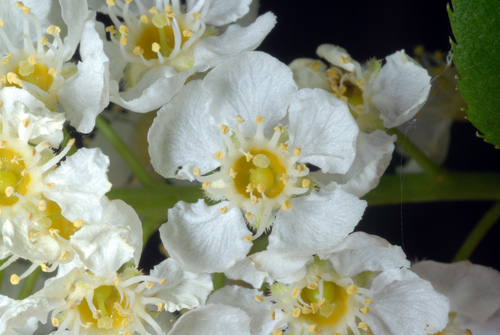
Prunus virginiana
American chokeberry
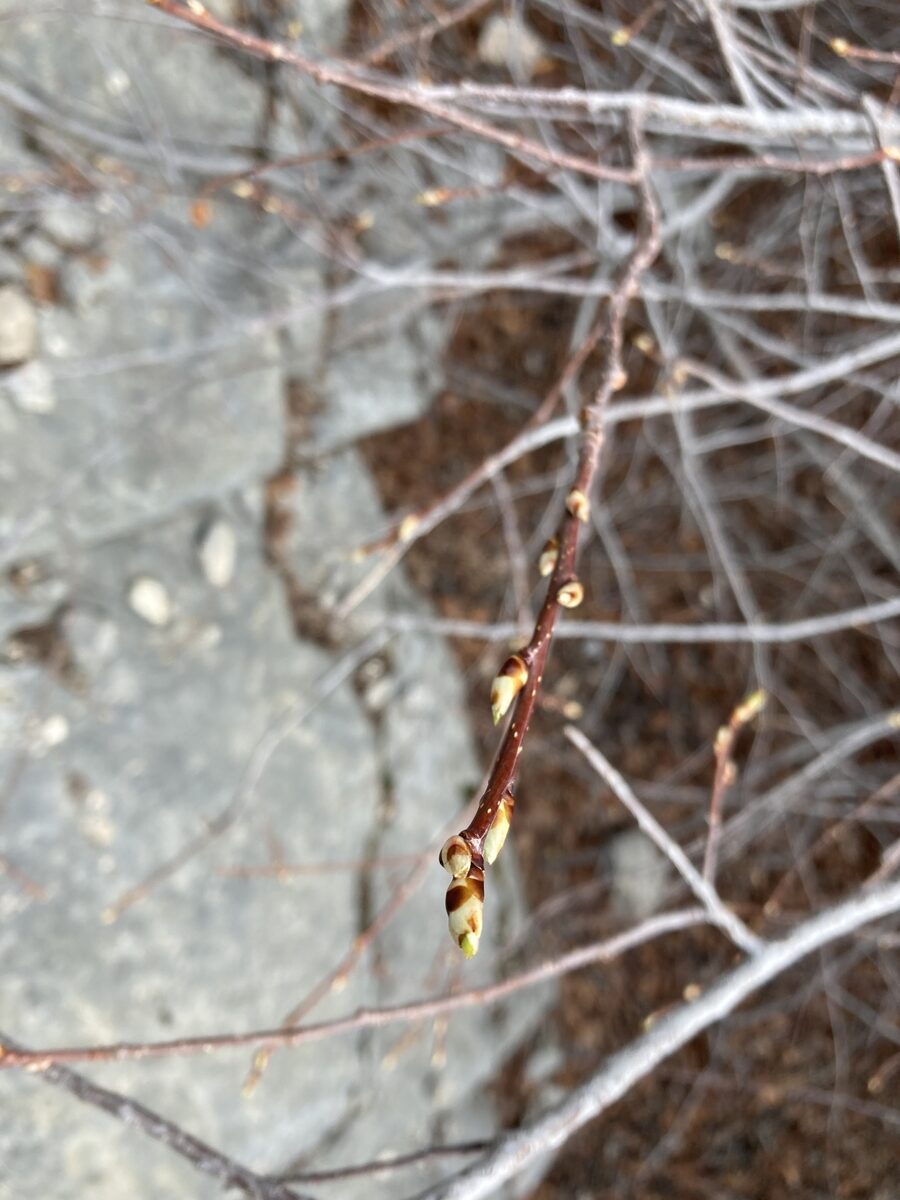
Prunus virginiana demissa - (Torr.&A.Gray.)Torr.
Western Chokecherry
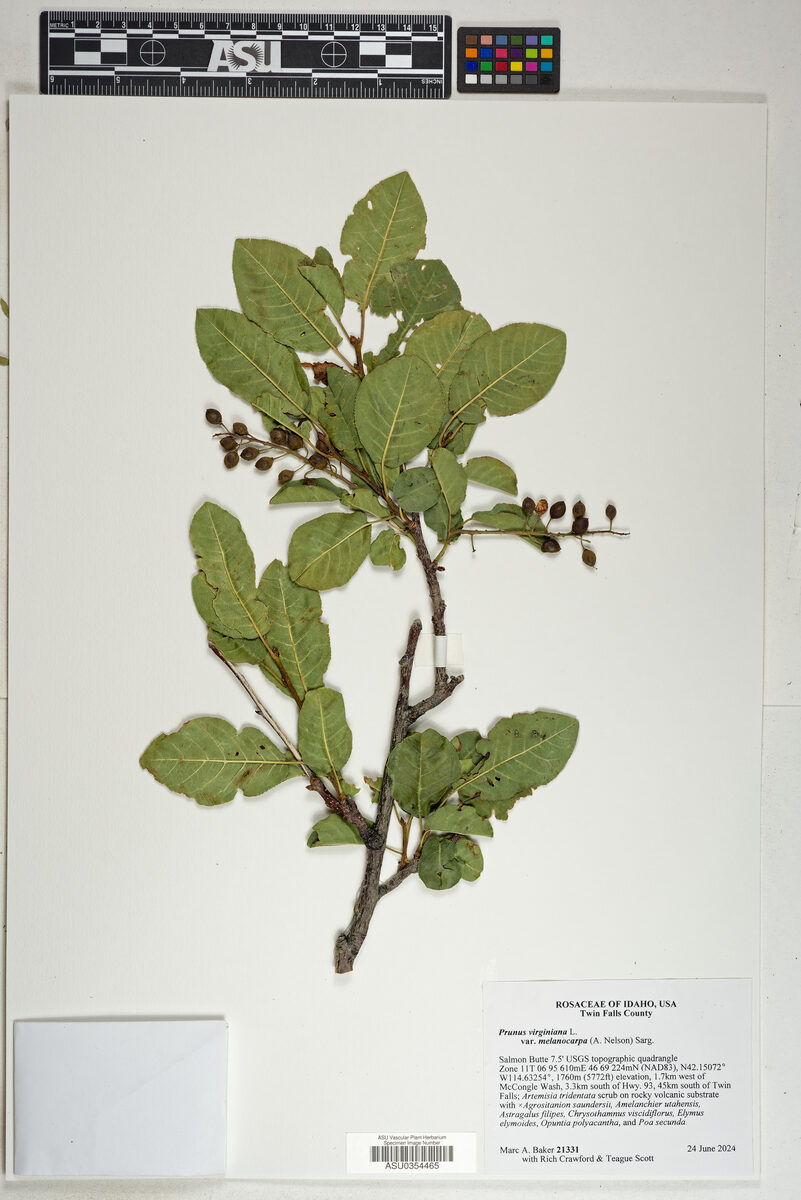
Prunus virginiana melanocarpa - (A.Nels.)Sarg.
Rocky Mountain Chokecherry
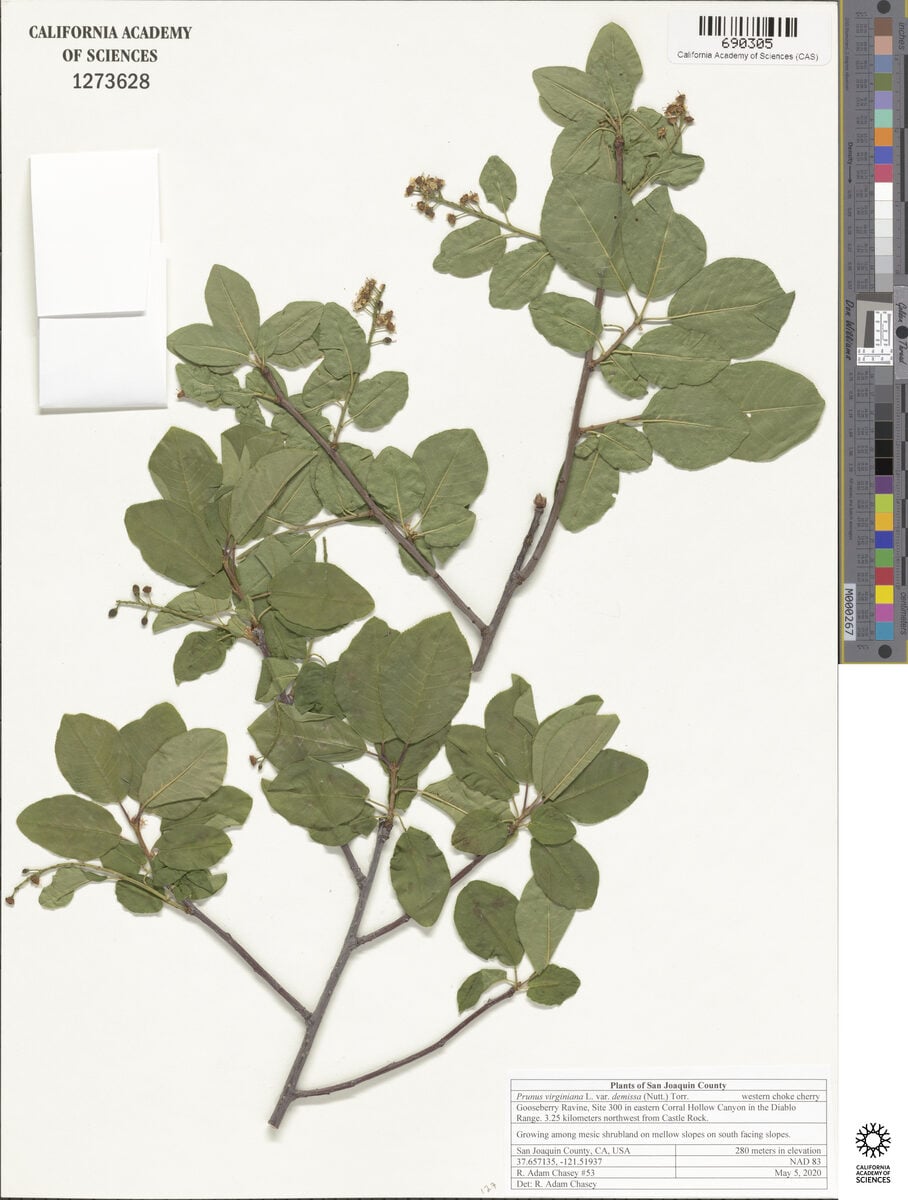
Prunus virginiana subsp. demissa
Western chokeberry
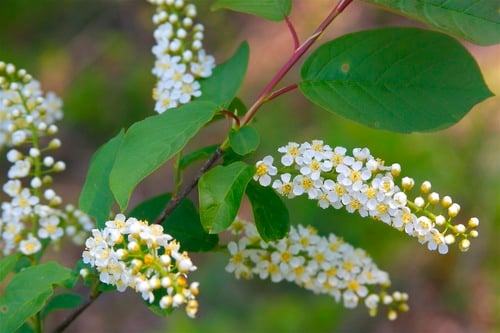
Prunus virginiana var. melanocarpa
Black western chokecherry