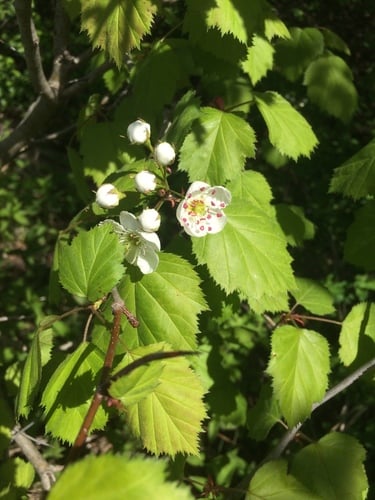
Rubus erlangeri
Engl.
Description
A shrub in the rose family (Rosaceae) found in tropical forest clearings at high elevation (3,600-3,700 m altitude). It is listed as an at-risk species.
Edible Uses
The fruit are eaten raw.
Traditional Uses
The fruit are eaten raw.
This uses section is brief — help expand it
Distribution
It is a tropical plant. It grows in open places in forests at 3,600-3,700 m above sea level.
Where It Grows
Africa, East Africa, Ethiopia,
Notes
It is an at risk species.
Dangerous Lookalikes
This plant can be confused with the following toxic species. Always verify identification carefully before consuming any wild plant.
Red Baneberry
Actaea rubra
Walter Siegmund (talk)
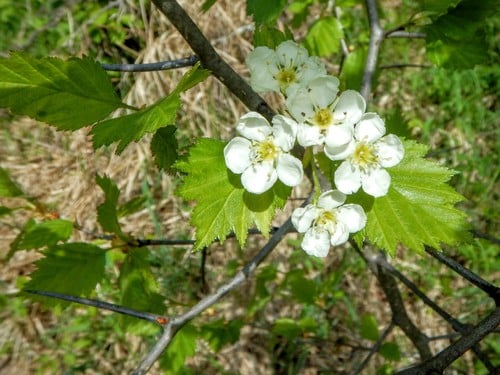
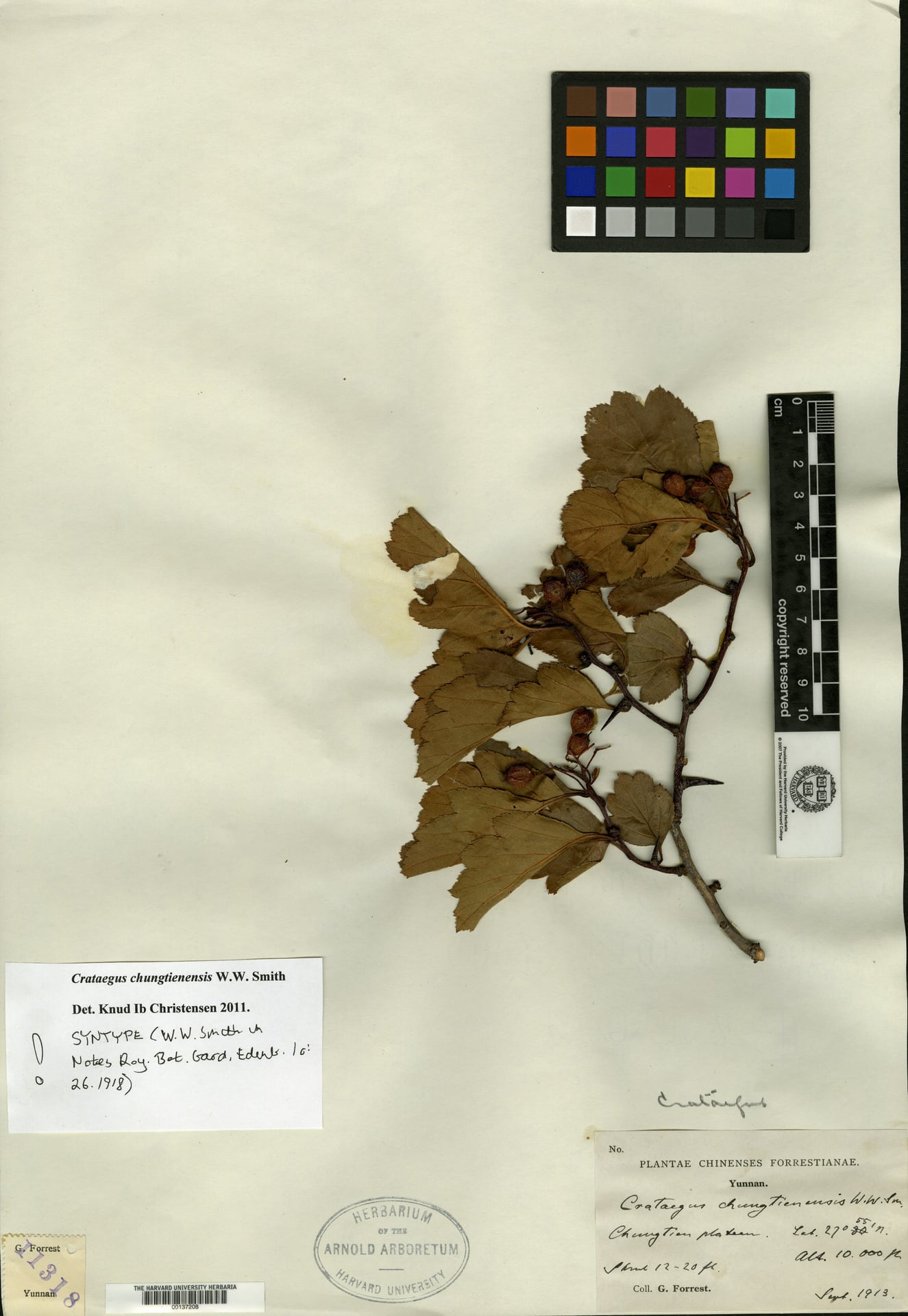
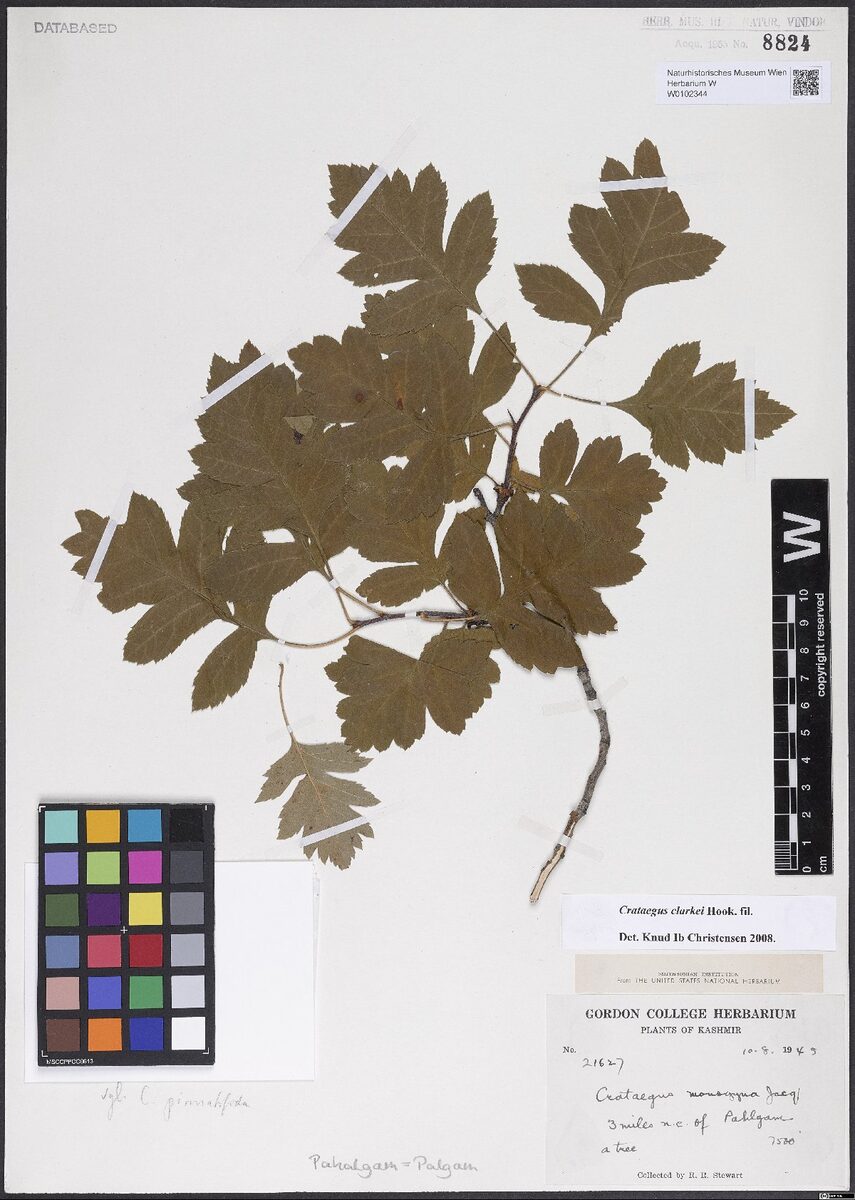
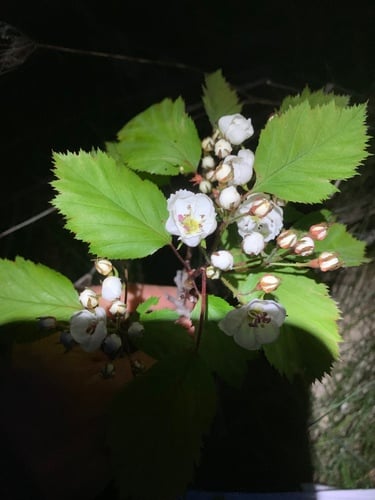
Rubus erlangeri
Rubus erlangeri
MBG
Red Baneberry: Short herbaceous plant (no thorns), berries on thick red stems, each berry has a single seed, compound sharply-toothed leaves.
Rubus erlangeri: Thorny woody canes (brambles), aggregate berry made of many drupelets, berries pull easily from receptacle.
Also Known As
Enjori, Henjoriya
References (2)
- Asfaw, Z. and Tadesse, M., 2001, Prospects for Sustainable Use and Development of Wild Food Plants in Ethiopia. Economic Botany, Vol. 55, No. 1, pp. 47-62
- Lulekal, E., et al, 2011, Wild edible plants in Ethiopia: a review on their potential to combat food insecurity. Afrika Focus - Vol. 24, No 2. pp 71-121