Laurocerasus ilicifolia
(Nutt. ex Hook. & Arn.) M. Roemer
Holly-leafed cherry
wikimedia· cc-by-sa
Wikimedia Commons - No machine-readable author provided. NoahElhardt assumed (based on copyright claims).
wikimedia· cc-by-sa
Wikimedia Commons - Eugene Zelenko
Description
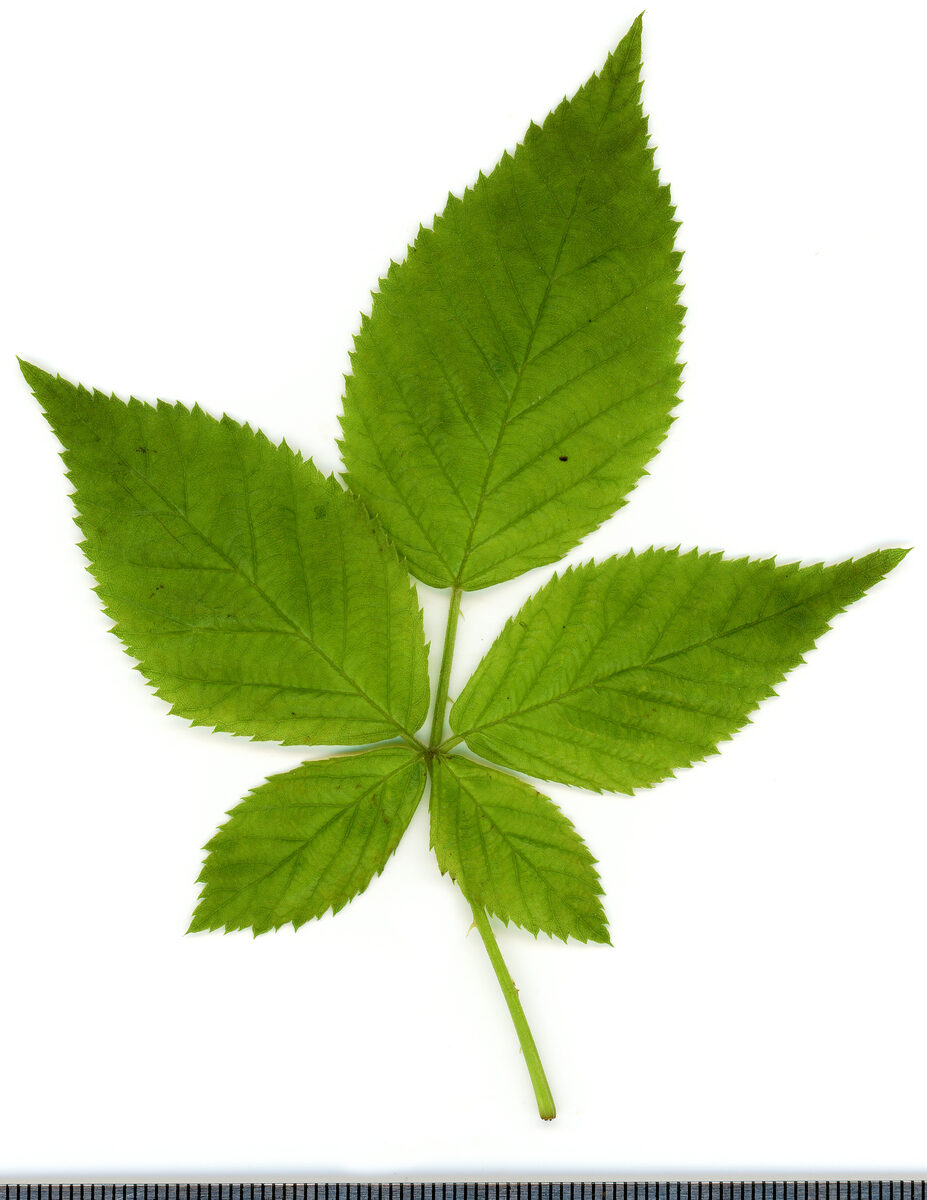
An evergreen shrub or small tree. It has many branches. It grows 8 m high and spreads 6 m wide. The leaves are leathery and glossy. They are like holly leaves with spiny edges. The flowers are small and cream or white. The fruit are red or yellow.
Edible Uses
The sweet fruit are eaten fresh, dried, or made into a drink. The seed kernels are crushed into meal, which after leaching is used in bread and soups. The roots and leaves are dried, ground, and added to food dishes.
Traditional Uses
The fruit are sweet and are eaten fresh. They can be dried or made into a drink. The seed kernel can be crushed and made into a meal. After leaching it is used in bread and soups. The roots and leaves are dried and ground and added to food dishes.
Known Hazards
The pulp of the cherry is edible. However, the seeds of the hollyleaf cherry are considered to be toxic, and the plant must undergo certain leaching processes to make it safe for consumption. Native Americans fermented the fruit into an intoxicating drink. Some also cracked the dried cherries and made meal from the seeds after grinding and leaching them. It has also been made into jam. The method of preparation for the cherry was to first extract and crush the kernel in a mortar, and the resulting powder would then be leached in order to eliminate remaining bad chemicals. The final step was to boil the leached powder into an atole. Once this process was completed, Native Californians would then make soup base, tortillas, or tamale-like foods using the resulting ground meal. Other times, the kernel would be kept whole, leached to remove its hydrocyanic acid content, roasted for a couple hours, and then used to make cakes or balls. Aside from food, the hollyleaf cherry was also used for medicinal purposes by some Native Californian tribes, including the Diegueño and the Cahuilla. Specifically, infusions made from the bark and roots of hollyleaf cherry plants would be used as treatment for common colds and coughs.
Distribution
It is a temperate plant. It suits hardiness zones 9-11. Hobart Botanical Gardens 1
Where It Grows
Australia, North America, Tasmania, USA,
Notes
There are about 200 Prunus species.
Synonyms
Also Known As
Islay, Chimaja
References (13)
- Beckstrom-Sternberg, Stephen M., and James A. Duke. "The Foodplant Database." http://probe.nalusda.gov:8300/cgi-bin/browse/foodplantdb.(ACEDB version 4.0 - data version July 1994) (As Prunus ilicifolia)
- Bocek, B. R., 1984, Ethnobotany of Costanoan Indians, California, Based on Collections by John P. Harrington. Economic Botany 38(2): 240-255 (As Prunus ilicifolia)
- Brickell, C. (Ed.), 1999, The Royal Horticultural Society A-Z Encyclopedia of Garden Plants. Convent Garden Books. p 837 (As Prunus ilicifolia)
- Cundall, P., (ed.), 2004, Gardening Australia: flora: the gardener's bible. ABC Books. p 1094 (As Prunus ilicifolia)
- Facciola, S., 1998, Cornucopia 2: a Source Book of Edible Plants. Kampong Publications, p 199
Show all 13 references Hide references
- Hedrick, U.P., 1919, (Ed.), Sturtevant's edible plants of the world. p 524 (As Prunus ilicifolia)
- Kiple, K.F. & Ornelas, K.C., (eds), 2000, The Cambridge World History of Food. CUP p 1754 (As Prunus ilicifolia)
- Lord, E.E., & Willis, J.H., 1999, Shrubs and Trees for Australian gardens. Lothian. p 67 (As Prunus ilicifolia)
- Moerman, D. F., 2010, Native American Ethnobotany. Timber Press. p 442 (As Prunus ilicifolia)
- Plants for a Future, The Field, Penpol, Lostwithiel, Cornwall, PL22 0NG, UK. http://www.scs.leeds.ac.uk/pfaf/ (As Prunus ilicifolia)
- Repertorium botanices systematicae 2:10. 1843 (As Prunus ilicifolia)
- Saunders, C.F., 1948, Edible and Useful Wild Plants. Dover. New York. p 57 (As Prunus ilicifolia)
- Staples, G.W. and Herbst, D.R., 2005, A tropical Garden Flora. Bishop Museum Press, Honolulu, Hawaii. p 481