Prunus pumila var. depressa
Pursh
Sand cherry, Eastern sandcherry
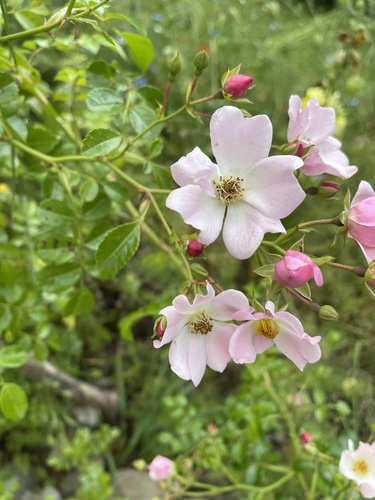
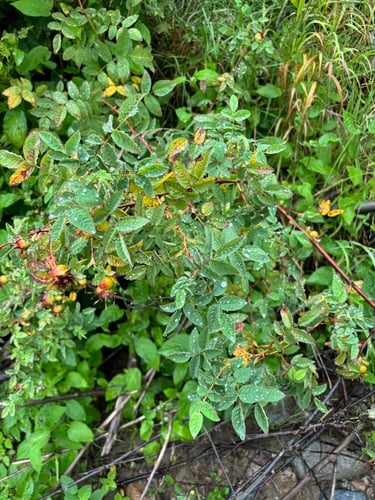
iNaturalist· cc-by-nc
(c) Joe Walewski, some rights reserved (CC BY-NC), uploaded by Joe Walewski
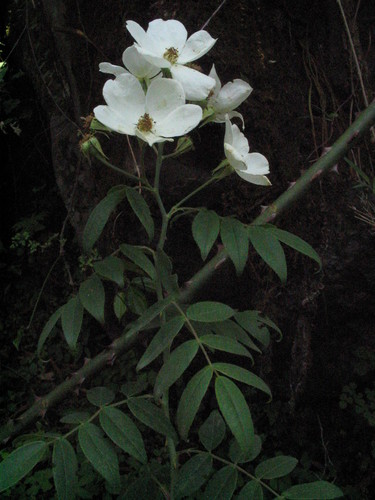
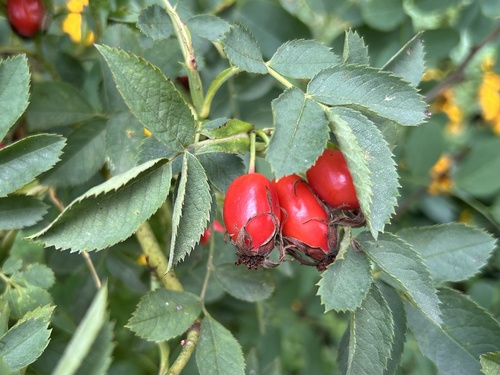
iNaturalist· cc-by-nc
(c) Philip Careless, some rights reserved (CC BY-NC), uploaded by Philip Careless
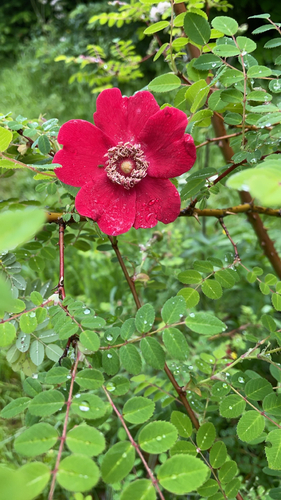
iNaturalist· cc-by-nc
(c) Marie-Ève Garon-Labrecque, some rights reserved (CC BY-NC), uploaded by Marie-Ève Garon-Labrecque
Summary
Source: WikipediaPrunus pumila, commonly called sand cherry, is a North American species of cherry in the rose family. It is widespread in eastern and central Canada from New Brunswick west to Saskatchewan and the northern United States from Maine to Montana, south as far as Colorado, Kansas, Indiana, and Virginia, with a few isolated populations in Tennessee and Utah. It grows in sandy locations such as shorelines and dunes. Prunus pumila is a deciduous shrub that grows to 0.61–1.83 metres (2–6 feet) tall depending on the variety. It forms dense clonal colonies by sprouts from the root system. The leaves are leathery, 4–7 centimetres (1+5⁄8–2+3⁄4 inches) long, with a serrated margin. The flowers are 15–25 millimetres (9⁄16–1 in) in diameter with five white petals and 25–30 stamens. They are produced in small clusters of two to four. The fruit is a small cherry 13–15 mm (1⁄2–9⁄16 in) in diameter, ripening to dark purple in early summer. Varieties Prunus pumila var. besseyi (Bailey) Gleason, western sand cherry (also called Rocky Mountain cherry) – Saskatchewan, Manitoba, western Ontario, south to Colorado and Kansas Prunus pumila var. depressa (Pursh) Gleason, eastern sand cherry – Ontario, Québec, New Brunswick south to Pennsylvania Prunus pumila var. pumila, Great Lakes sand cherry – shores of Great Lakes Prunus pumila var. susquehanae (hort. ex Willd.) Jaeger, Susquehana sand cherry – from Manitoba east to Maine, south to Tennessee Prunus × cistena (purple leaf sand cherry) is a hybrid of Prunus cerasifera (cherry plum) and P. pumila. It was developed by Niels Ebbesen Hansen of South Dakota State University in 1910. They grow to be about 2.1 m (7 ft) tall and can live for up to 20 years.
Description
A spreading shrub. The leaves are narrowly oval and have teeth along the edge. It loses its leaves during the year. The flowers are in clusters and are white. The fruit are black.
Edible Uses
The fruit can be eaten.
Distribution
It is a temperate plant.
Where It Grows
North America, USA,
Notes
There are about 200 Prunus species.
References (1)
- Fl. Amer. sept. 1:332. 1813-1814 (As Prunus depressa)