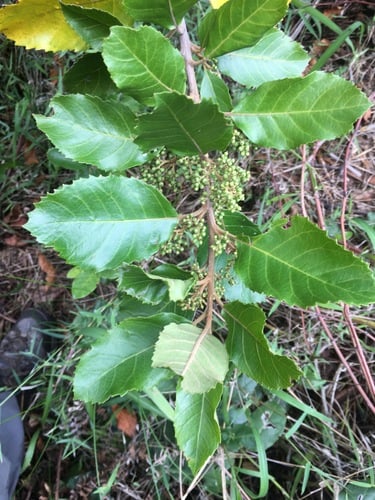
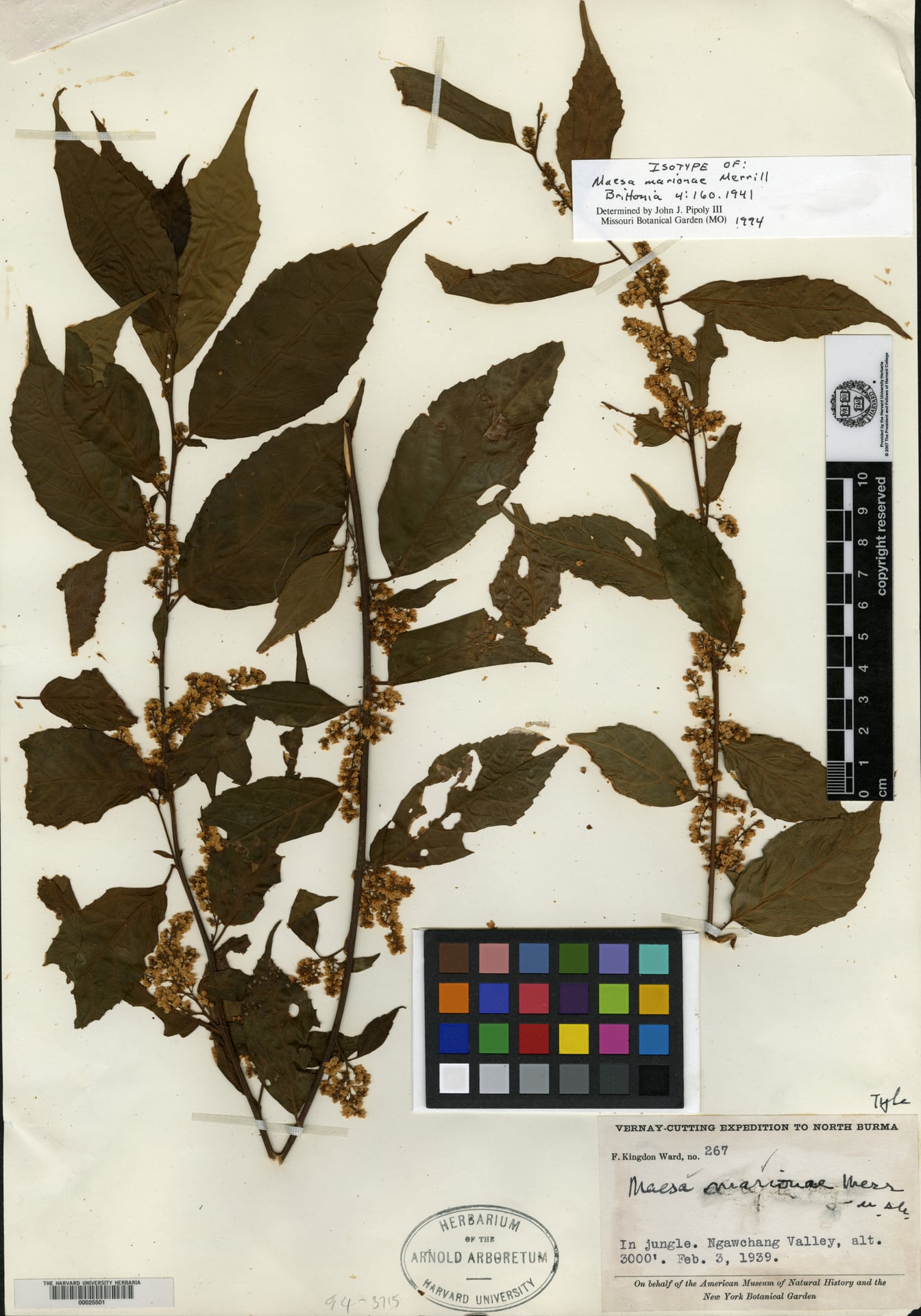
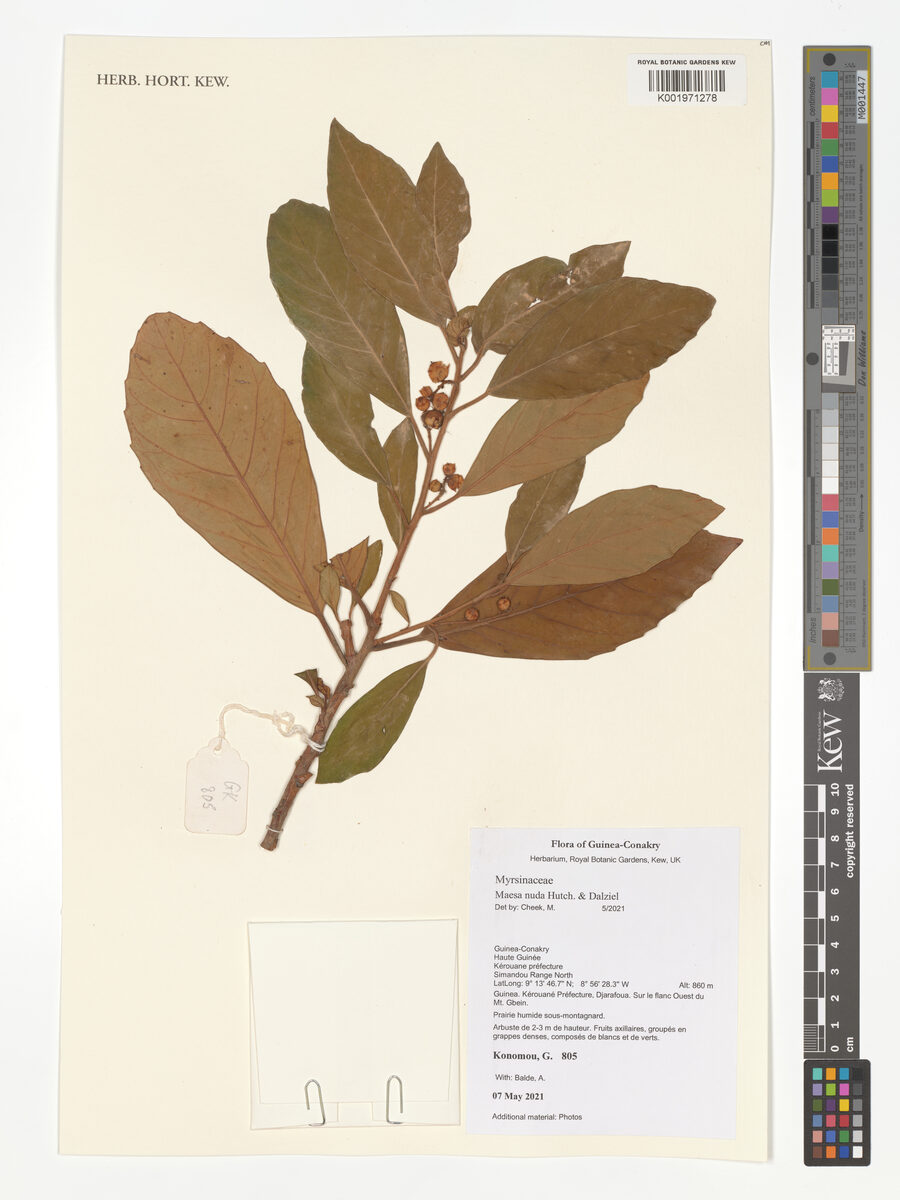
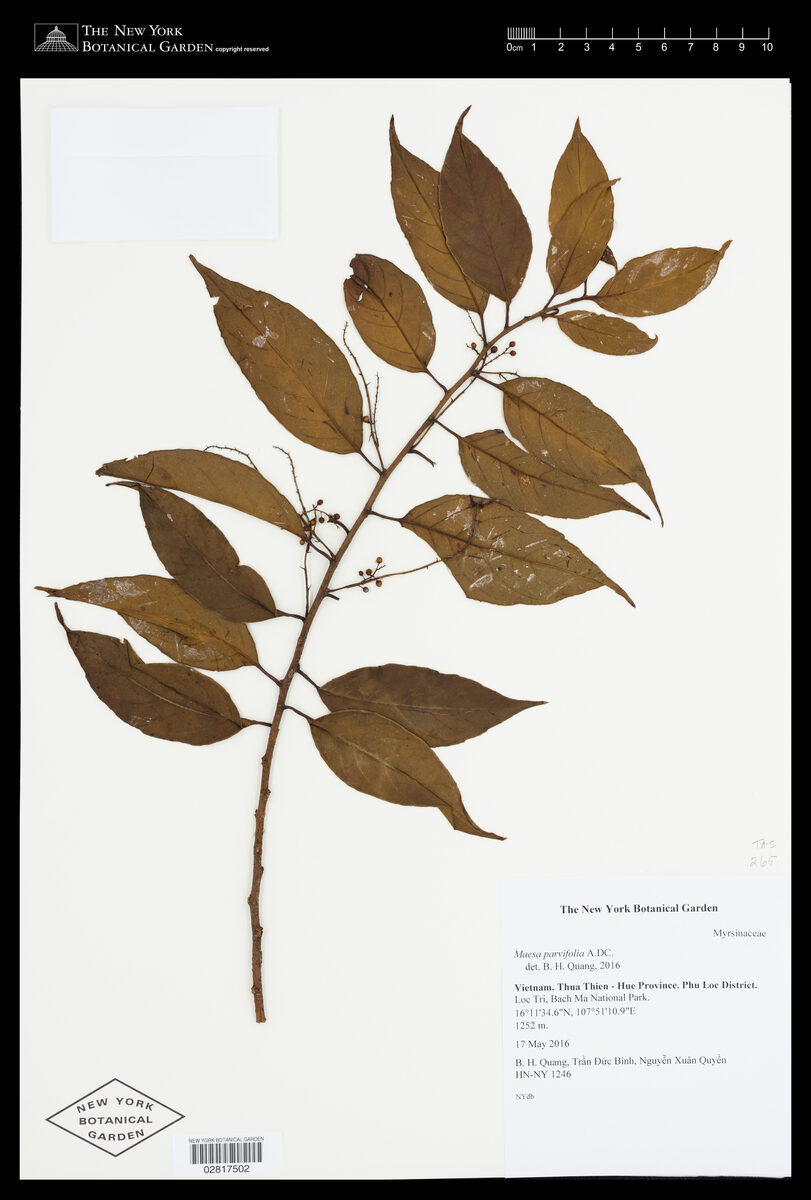
Primula vulgaris
Huds.
Primrose, Primola, Cowslip, English primrose
iNaturalist· cc-by-nc
(c) Denys Davydov, some rights reserved (CC BY-NC)
iNaturalist· cc-by-nc
(c) grinnin, some rights reserved (CC BY-NC)
iNaturalist· cc-by-nc
(c) grinnin, some rights reserved (CC BY-NC)
Summary
Source: WikipediaPrimula vulgaris is a species of flowering plant in the family Primulaceae, native to Eurasia. The common name of this plant is primrose, or occasionally common primrose or English primrose to distinguish it from other Primula species referred to as primroses.
Description
A herb. It grows 10-15 cm high and spreads 15-40 cm wide. The leaves have teeth. The leaves are often downy underneath. Flowers appear singly amongst the leaves. They are pale yellow and fragrant. They are 30 mm wide.
Edible Uses
Young leaves can be eaten raw or cooked as a potherb, added to soups and similar dishes. The flavour is mild though the texture is somewhat tough, and leaves are often available throughout winter. Flowers can be eaten raw or cooked — they make an attractive garnish for salads and can be used as a cooked vegetable or in conserves. Picked when first opened, the flowers can be fermented with water and sugar to make a pleasant and intoxicating wine. Both flowers and leaves can also be made into a syrup or tea.
Traditional Uses
The young leaves are eaten cooked and raw. The leaves are used in soups. The flowers are eaten raw in salads. They are also cooked or used in conserves. The flowers are fermented with water and sugar. The nectar of the flowers is sucked. Both leaves and flowers are made into syrup or tea. The leaves are used for sarma in Turkey. They are rolled around a filling of rice or minced meat.
Medicinal Uses
Primroses have a long history of medicinal use, particularly for conditions involving spasms, cramps, paralysis and rheumatic pains, though they are considered less effective than the related P. veris. The plant contains saponins with an expectorant effect, and salicylates — the main ingredient of aspirin — which have anodyne, anti-inflammatory and febrifuge effects. This remedy should not be prescribed for pregnant women, patients sensitive to aspirin, or those taking anti-coagulant drugs such as warfarin. The roots and flowering herb are anodyne, antispasmodic, astringent, emetic, sedative and vermifuge. An infusion of the roots is a good remedy for nervous headaches. Roots are harvested in autumn when two or three years old and dried for later use. An ointment made from the plant has been used to treat skin wounds.
Distribution
It is a temperate plant. It suits hardiness zones 6-9.
Where It Grows
Asia, Australia, Balkans, Bosnia, Britain, Europe, Hungary, Ireland, Italy, Mediterranean, New Zealand, Norway, Portugal, Scandinavia, Serbia, Sicily, Slovenia, Spain, Switzerland, Tasmania, Turkey, Türkiye, USA,
Cultivation
Prefers a medium to heavy moisture retentive humus rich loam in a cool position with light to medium shade. Grows well in heavy clay soils. Plants are hardy to about -25°c. A very ornamental plant, there are many named varieties. The blooms have a characteristic fragrance of a mossy bank or a deciduous woodland. This species hybridizes readily with P. elatior.
Propagation
Seed is best sown as soon as ripe in a cold frame. Stored seed can be sown in early spring in a cold frame — germination is inhibited by temperatures above 20°C. When large enough to handle, prick seedlings into individual pots and plant out in summer. Divide in autumn, ideally every other year.
Other Uses
Makes a good ground cover in open woodland and on woodland edges; plants are best spaced about 35cm apart each way.
Other Information
The nectar of the flower is sucked especially by children.
Notes
There are about 400 Primula species.
Synonyms
Also Known As
Coucu, Conterba siciiana, Cuhacicegi, Fior di primavera, Kindira otu, Kusymre, Mai de me, Pampara, Panqueixo, Pan y queso, Zsibavirag
References (36)
- Abbet, C., et al, 2014, Ethnobotanical survey on wild alpine food plants in Lower and Central Valais (Switzerland). Journal of Ethnopharmacology 151 (2014) 624–634
- Benvenuti, S. & Mazzoncini, M., 2021, The Biodiversity of Edible Flowers: Discovering New Tastes and New Health Benefits. Frontiers in Plant Science Article 569499.
- Bodkin, F., 1991, Encyclopedia Botanica. Cornstalk publishing, p 832
- Bremness, L., 1994, Herbs. Collins Eyewitness Handbooks. Harper Collins. p 207
- Brickell, C. (Ed.), 1999, The Royal Horticultural Society A-Z Encyclopedia of Garden Plants. Convent Garden Books. p 832
Show all 36 references Hide references
- Cerne, M., 1992, Wild Plants from Slovenia used as Vegetables. Acta Horticulturae 318 (As Primula acaulis)
- Cundall, P., (ed.), 2004, Gardening Australia: flora: the gardener's bible. ABC Books. p 1084
- Denes, A., et al, 2012, Wild plants used for food by Hungarian ethnic groups living in the Carpathian Basin. Acta Societatis Botanicorum Poloniae 81 (4): 381-396
- Dogan, Y., et al, 2015, Of the importance of a leaf: the ethnobotany of sarma in Turkey and the Balkans. Journal of Ethnobiology and Ethnomedicine, 11:56
- Ertug, F, Yenen Bitkiler. Resimli Türkiye Florası -I- Flora of Turkey - Ethnobotany supplement (As Primula acaulis)
- Facciola, S., 1998, Cornucopia 2: a Source Book of Edible Plants. Kampong Publications, p 188
- Fl. angl. 70. 1762
- Geraci, A., et al, 2018, The wild taxa utilized as vegetables in Sicily (Italy): a traditional component of the Mediterranean diet. Journal of Ethnobiology and Ethnomedicine (2018) 14:14
- Girard, N. J., 2020, Sustainable Foraging of Wild Edible Plants in Norway. A Biocultural Approach. M. Sc. thesis Norwegian University. p 134
- Gunes, S. et al, 2018, Survey of wild food plants for human consumption in Karaisali (Adana-Turkey). Indian Journal of Traditional Knowledge. Vol. 17(2), April 2018, pp 290-298
- Hammer, K. & Spahillari, M., 1999, Crops of European origin. in Report of a networking group on minor crops. IPGRI p 44
- Hibbert, M., 2002, The Aussie Plant Finder 2002, Florilegium. p 240
- Irving, M., 2009, The Forager Handbook, A Guide to the Edible Plants of Britain. Ebury Press p 257
- Janaćković, P. et al, 2019, Traditional knowledge on plant use from Negotin Krajina (Eastern Serbia): An ethnobotanical study. Indian Journal of Traditional Knowledge Vol 18 (1), pp 25-33
- Joyce, D., 1998, The Garden Plant Selector. Ryland, Peters and Small. p 259
- Kargioglu, M., et al, 2008, An Ethnobotanical Survey of Inner-West Anatolia, Turkey. Human Ecology 36:763-777
- Luczaj, L. et al, 2012, Wild food plant use in 21st century Europe: the disappearance of old traditions and the search for new cuisines involving wild edibles. Acta Soc Bot Pol 81(4):359–370 (As Primula acaulis)
- Mabey, R., 1973, Food for Free. A Guide to the edible wild plants of Britain, Collins. p 157
- Marinelli, J. (Ed), 2004, Plant. DK. p 302
- Mattalia, G., et al, 2012, Traditional uses of wild food and medicinal plants among Brigasc, Kye ́, and Provenc ̧al communities on the Western Italian Alps. Genet Resour Crop Evol. Springer (As Primula acaulis)
- Michael, P., 2007, Edible Wild Plants and Herbs. Grub Street. London. p 171
- Morley, B. & Everard, B., 1970, Wild Flowers of the World. Ebury press. Plate 15
- Paoletti, M.G., Dreon, A.L., and Lorenzoni, G.G., 1995, Pistic, Traditional Food from Western Friuli, NE Italy. Economic Botany 49(1) pp 26-30 (As Primula acaulis)
- Pardo-de-Santayana, M., et al, 2007, Traditional knowledge of wild edible plants used in the northwest of the Iberian Peninsula (Spain and Portugal): a comparative study. Journal of Ethnobiology and Ethnomedicine 2007, 3:27 (As Primula acaulis)
- Pasta, S., et al, 2020, An Updated Checklist of the Sicilian Native Edible Plants: Preserving the Traditional Ecological Knowledge of Century-Old Agro-Pastoral Landscapes. Frontiers in Plant Science. Volume 11|Article 388
- Pieroni, A., 1999, Gathered wild food plants in the Upper Valley of the Serchio River (Garfagnana), Central Italy. Economic Botany 53(3) pp 327-341
- Plants for a Future database, The Field, Penpol, Lostwithiel, Cornwall, PL22 0NG, UK. http://www.scs.leeds.ac.uk/pfaf/
- Redzic, S. J., 2006, Wild Edible Plants and their Traditional Use in the Human Nutrition in Bosnia-Herzegovina. Ecology of Food and Nutrition, 45:189-232
- Redzic, S., 2010, Use of Wild and Semi-Wild Edible Plants in Nutrition and Survival of People in 1430 Days of Siege of Sarajevo during the War in Bosnia and Herzegovina (1992–1995). Coll. Antropol 34 (2010) 2:551-570
- Skinner, G. & Brown, C., 1981, Simply Living. A gatherer's guide to New Zealand's fields, forests and shores. Reed. p 50
- Tardio, J., et al, Ethnobotanical review of wild edible plants in Spain. Botanical J. Linnean Soc. 152 (2006), 27-71 (As Primula acaulis)