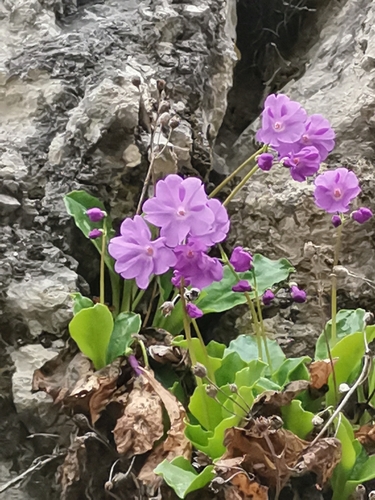
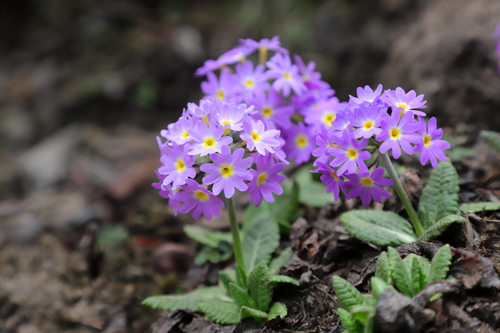
Coris monspeliensis
L.
iNaturalist· cc-by-nc-sa
(c) José María Escolano, some rights reserved (CC BY-NC-SA)
iNaturalist· cc-by-nc
(c) Eddi Bisulli, some rights reserved (CC BY-NC)
Summary
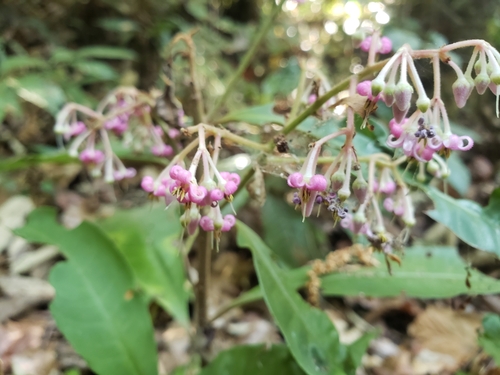
Source: WikipediaCoris monspeliensis, also known as Montpelier [sic] coris, a plant species in the primrose family, has erect or ascending stems which are woody at the base and densely covered with foliage. The leathery linear leaves, which grow up to 20 mm long are alternate and stalkless. They may be hairless or hairy and the highest leaves often have small teeth. The flowers with 5 unequal petals, each deeply lobed are borne in short dense clusters and vary in color from pink to blue. Each flower measures up to 12 mm across and has narrow, widely spread petals. The calyx is bell shaped and has up to 20 red or black spiny teeth. The spherical capsule is up to 2 mm in diameter.
Description
The stems are woody at the base and densely covered with leaves. The leaves do not have stalks and are 2 cm long. The flowers have 5 unequal petals that are deeply lobed. They grow in clusters. They are pink or blue. The sepals have spiny black teeth. The fruit is a round capsule 2 mm across.
Edible Uses
The leaves are used to make a drink.
Traditional Uses
The leaves are used for a drink.
This uses section is brief — help expand it
Distribution
It is a Mediterranean climate plant. It grows in dry coastal areas.
Where It Grows
Africa, Europe, Mediterranean, North Africa, Spain,
Synonyms
Also Known As
Farigola de pastor, Farigola mascle
References (1)
- Bonet, M. A. & Valles, J., 2002, Use of non-crop food vascular plants in Montseny biosphere reserve (Catalonia, Iberian Peninsula). International Journal of Food Sciences and Nutrition (2002) 53, 225–248