Potentilla supina
L.
Spreading Cinquefoil
iNaturalist· cc-by-nc
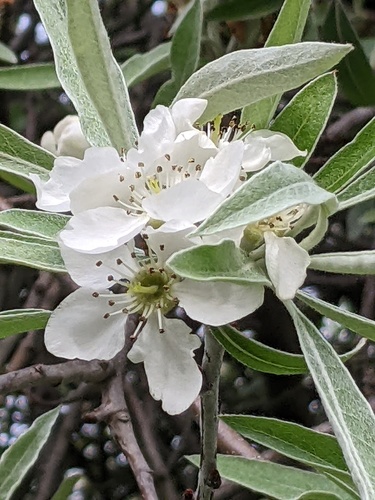
(c) Chuangzao, some rights reserved (CC BY-NC), uploaded by Chuangzao
iNaturalist· cc-by-nc
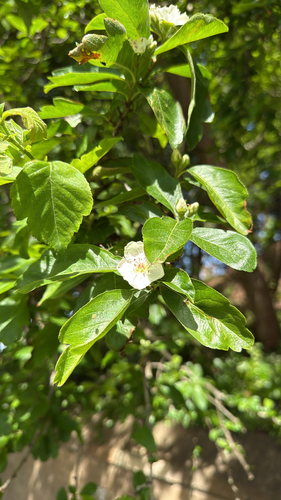
(c) Lee, seong-won, some rights reserved (CC BY-NC), uploaded by Lee, seong-won
iNaturalist· cc-by-nc
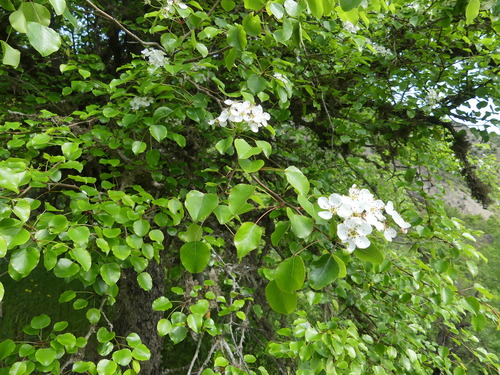
(c) Алена Фронтова, some rights reserved (CC BY-NC), uploaded by Алена Фронтова
Summary
Source: WikipediaPotentilla supina is a species of flowering plant belonging to the family Rosaceae. Its native range is the temperate and subtropical Northern Hemisphere and Southern Africa.
Description
A herb. It grows for one or two years. The flowering stems can be 20-50 cm tall. The leaves are hairy. The flowers are yellow.
This description is brief — help expand it
Edible Uses
Young leaves can be cooked and eaten, though this plant is considered an emergency food, used only when nothing else is available.
Traditional Uses
The young leaves are used as a vegetable. The ripe fruit are eaten.
This uses section is brief — help expand it
Medicinal Uses
The root is astringent, febrifuge, and tonic. Small pieces of root held in the mouth for 1–2 hours can relieve toothache. The juice of the root is used to treat indigestion.
Distribution
It grows in the subtropics. It grows on wet places on mountain slopes and sandy riverbanks and salty deserts between 100-2,000 m above sea level in China. In Sichuan and Yunnan.
Where It Grows
Asia, Central Asia, China, Europe, India, Indochina, Korea, Luxembourg, Manchuria, Mongolia, Northeastern India, SE Asia, Sudan, Tajikistan, Tibet, Turkey, Türkiye, Vietnam,
Cultivation
We have very little information on this species and do not know if it will be hardy in Britain, though judging by its native range it should succeed outdoors in most parts of the country. The following notes are based on the general needs of the genus. Easily grown in a well-drained loam, preferring a position in full sun but tolerating shade. Prefers an alkaline soil but tolerates a slightly acid soil. Members of this genus are rarely if ever troubled by browsing deer.
Propagation
Sow seed in early spring or autumn in a cold frame. Once seedlings are large enough to handle, prick them out into individual pots and grow them on in the greenhouse through their first winter, then plant out in late spring or early summer after the last expected frosts. For division in spring, larger clumps can go directly into permanent positions, but smaller divisions are better potted up and grown on in light shade in a cold frame until well established before planting out in late spring or early summer.
Other Uses
None known.
Notes
There are about 500 Potentilla species.
Also Known As
Boson nga, Chao tian ling cai, Girukhis, Karnali, Kanikar
References (8)
- Ambasta, S.P. (Ed.), 2000, The Useful Plants of India. CSIR India. p 487
- Flora of China @ efloras.org Volume 9
- Patiri, B. & Borah, A., 2007, Wild Edible Plants of Assam. Geethaki Publishers. p 48
- Pham-Hoang Ho, 1999, An Illustrated Flora of Vietnam. Nha Xuat Ban Tre. p 798
- Plants for a Future database, The Field, Penpol, Lostwithiel, Cornwall, PL22 0NG, UK. http://www.scs.leeds.ac.uk/pfaf/
Show all 8 references Hide references
- Sp. pl. 1:497. 1753
- Urgamal, M., Oyuntsetseg, B., Nyambayar, D. & Dulamsuren, Ch. 2014. Conspectus of the vascular plants of Mongolia. (Editors: Sanchir, Ch. & Jamsran, Ts.). Ulaanbaatar, Mongolia. “Admon“ Press. 334pp. (p. 143-158).
- Wujisguleng, W., & Khasbagen. K., 2010, An integrated assessment of wild vegetable resources in Inner Mongolian Autonomous Region, China. Journal of Ethnobiology and Ethnomedicine 6:34