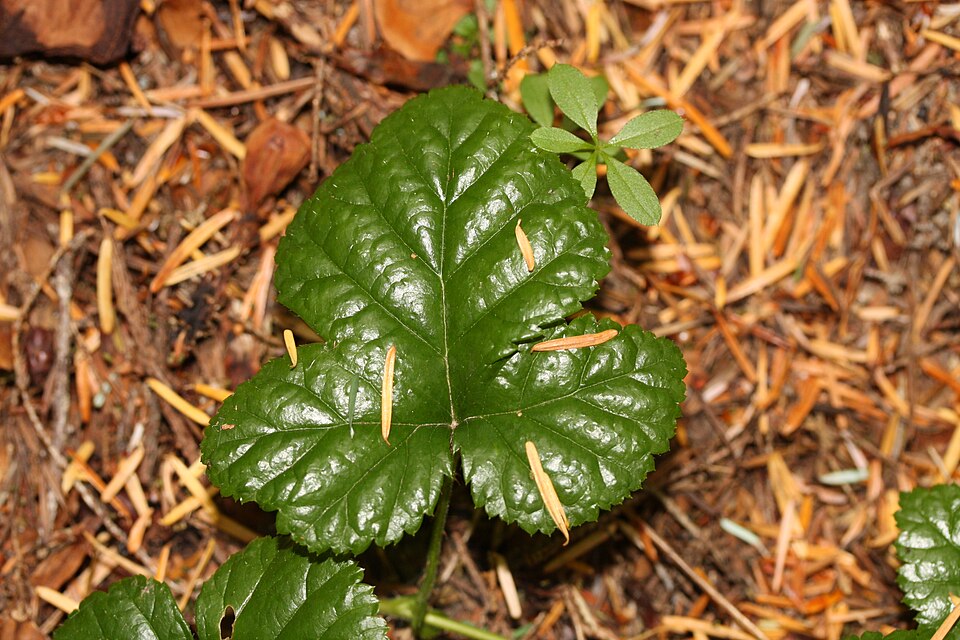
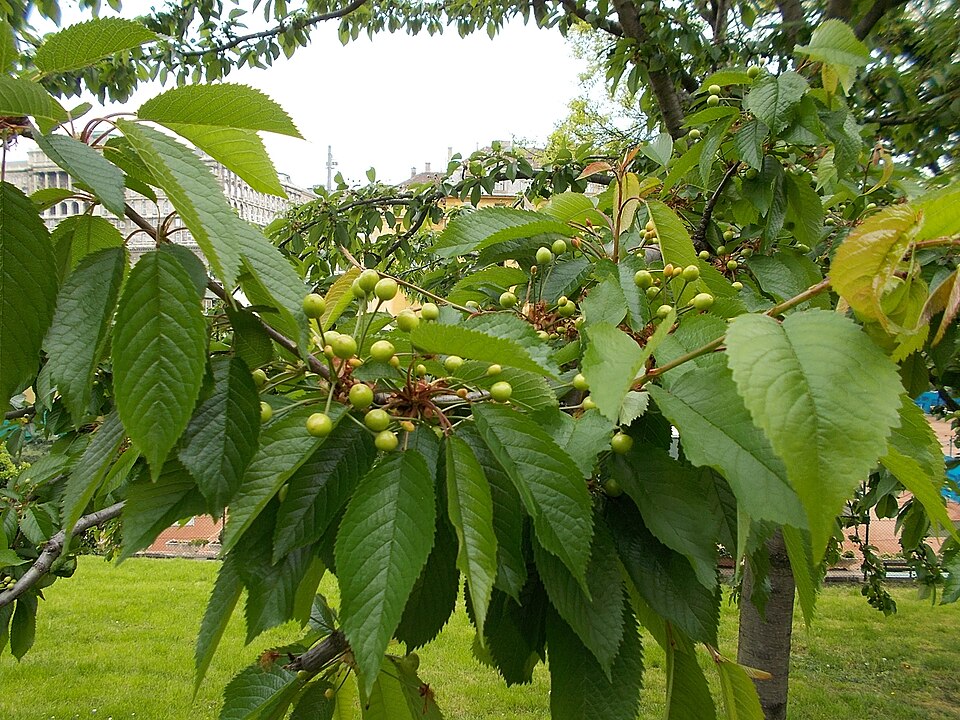
Sorbus japonica
(Decne.)Hedl.
iNaturalist· cc-by-nc
(c) 空猫 T. N, some rights reserved (CC BY-NC)
iNaturalist· cc-by-nc
(c) 空猫 T. N, some rights reserved (CC BY-NC)
iNaturalist· cc-by-nc
(c) BunnyTailGra22 | 兔尾草, some rights reserved (CC BY-NC)
Summary
A deciduous tree growing to 20m tall at a medium rate, hardy to UK zone 6. Flowers appear in May. Hermaphroditic and insect-pollinated. Tolerates light sandy, medium loamy, and heavy clay soils with good drainage; suitable for mildly acid to mildly alkaline pH. Can grow in semi-shade or full sun, prefers moist conditions, and withstands strong winds but not maritime exposure.
Description
A deciduous tree growing to 20m tall at a medium rate, hardy to UK zone 6. Flowers appear in May. Hermaphroditic and insect-pollinated. Tolerates light sandy, medium loamy, and heavy clay soils with good drainage; suitable for mildly acid to mildly alkaline pH. Can grow in semi-shade or full sun, prefers moist conditions, and withstands strong winds but not maritime exposure.
Edible Uses
The fruit can be eaten raw or cooked. Each fruit grows up to 13mm across and is produced in bunches, which makes harvesting easier.
Medicinal Uses
None known.
Distribution
It is a temperate plant.
Where It Grows
Asia, Japan, Korea,
Propagation
Seed is best sown as soon as it is ripe in a cold frame, though with sufficient quantity it can go directly into an outdoor seedbed. Stored seed benefits from 2 weeks of warm stratification followed by 14–16 weeks of cold stratification, so sow as early in the year as possible. Prick seedlings into individual pots once large enough to handle. Top-growth is very slow in the first year or two as the plants focus on root development, so keep them in a cold frame through their first winter before planting out into permanent positions in late spring.
Other Uses
None known.
Notes
There are about 75 Sorbus species.
References (1)
- Plants for a Future database, The Field, Penpol, Lostwithiel, Cornwall, PL22 0NG, UK. http://www.scs.leeds.ac.uk/pfaf/