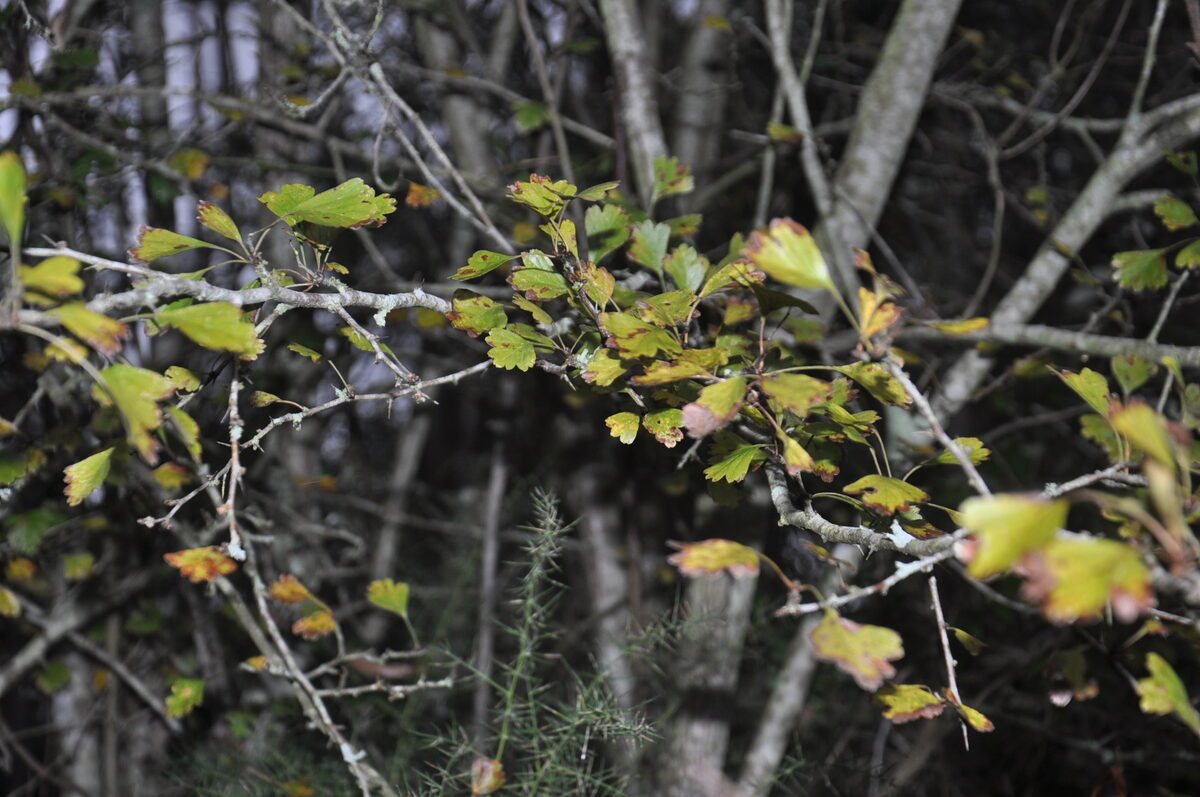
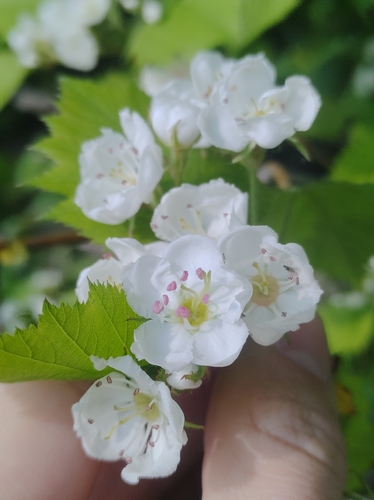
Potentilla glandulosa
Yu & Li
Xian li wei ling cao, Sticky cinquefoil
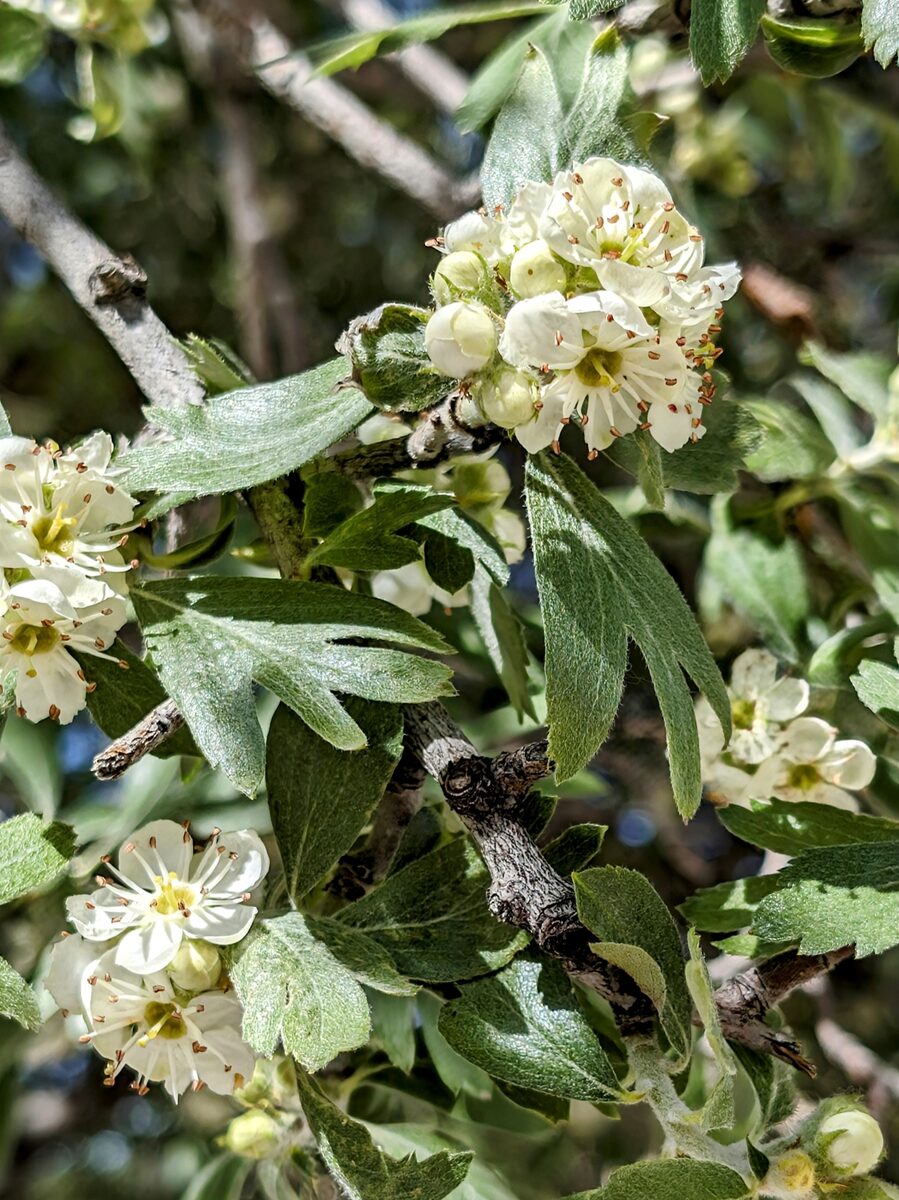
iNaturalist· cc-by
(c) Zach Earl, some rights reserved (CC BY)
iNaturalist· cc-by
(c) Zach Earl, some rights reserved (CC BY)
iNaturalist· cc-by
(c) Zach Earl, some rights reserved (CC BY)
Summary
Source: WikipediaPotentilla glandulosa may refer to seven different species of plants: Potentilla glandulosa Hook. & Arn., an unplaced name that cannot be accepted, nor put into synonymy Potentilla glandulosa Boulay, an unplaced name that cannot be accepted, nor put into synonymy Potentilla glandulosa S.Watson, an unplaced name that cannot be accepted, nor put into synonymy Potentilla glandulosa Holz., an unplaced name that cannot be accepted, nor put into synonymy Potentilla glandulosa Krašan, a taxonomic synonym for spring cinquefoil (Potentilla pusilla) Potentilla glandulosa Th.Wolf, a taxonomic synonym for dwarf cinquefoil (Potentilla brauneana) Potentilla glandulosa Lindl., a taxonomic synonym for sticky cinquefoil (Drymocallis glandulosa)
Description
A herb. It grows 60 cm high and spreads 60 cm wide. It keeps growing from year to year. The flower stems are erect or curve upwards. They are 10-20 cm tall. The leaves near the root have 4-8 pairs of leaflets. The leaves on the stem have 2 pairs of leaflets.
Edible Uses
A tea-like beverage is made by boiling the leaves or the whole plant in water.
Traditional Uses
The leaves are boiled to make a tea.
This uses section is brief — help expand it
Medicinal Uses
All parts of the plant are astringent. An infusion has been drunk as a stimulant and tonic, and a poultice of the plant has been applied externally to treat swollen areas.
Distribution
It is a temperate to subtropical plant. It suits hardiness zones 6-10.
Where It Grows
Asia, Australia, Canada, China, North America, USA,
Cultivation
Easily grown in a well-drained loam, preferring a position in full sun but tolerating shade. Prefers an alkaline soil but tolerates a slightly acid soil. Members of this genus are rarely if ever troubled by browsing deer.
Propagation
Sow seed in early spring or autumn in a cold frame. Once large enough to handle, prick seedlings into individual pots and grow on in a greenhouse through their first winter, then plant out in late spring or early summer after the last expected frosts. For division, spring is the best time. Larger divisions can go directly into permanent positions, while smaller ones are better potted up and grown on in light shade in a cold frame until well established before planting out in late spring or early summer.
Other Uses
None known
Notes
There are about 500 Potentilla species.
Synonyms
References (6)
- Beckstrom-Sternberg, Stephen M., and James A. Duke. "The Foodplant Database." http://probe.nalusda.gov:8300/cgi-bin/browse/foodplantdb.(ACEDB version 4.0 - data version July 1994)
- Cundall, P., (ed.), 2004, Gardening Australia: flora: the gardener's bible. ABC Books. p 1076
- Edward's Bot. Reg. 19: t. 1583. 1833
- Flora of China
- Kermath, B. M., et al, 2014, Food Plants in the Americas: A survey of the domesticated, cultivated and wild plants used for Human food in North, Central and South America and the Caribbean. On line draft. p 681
Show all 6 references Hide references
- Turner, N., 1997, Food Plants of Interior First Peoples. Royal BC Museum Handbook p 168