Potentilla chinensis
Seringe
Chinese cinquefoil, Chinese silverweed
iNaturalist· cc-by-nc
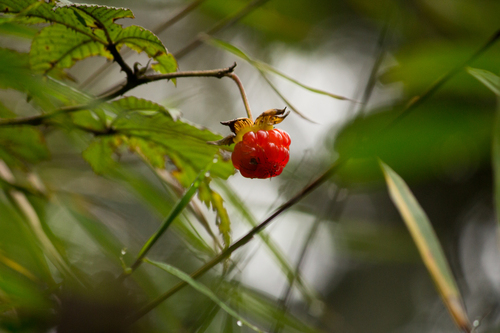
(c) Alexey P. Seregin, some rights reserved (CC BY-NC), uploaded by Alexey P. Seregin
iNaturalist· cc-by
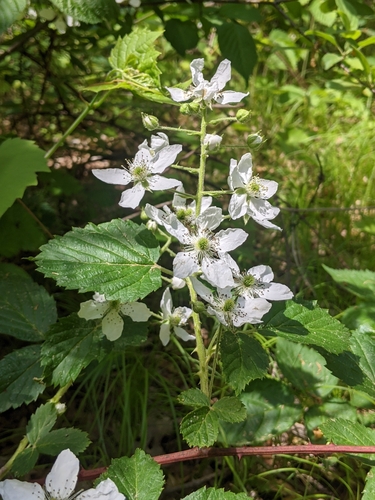
(c) Николай Соболев, some rights reserved (CC BY), uploaded by Николай Соболев
iNaturalist· cc-by-nc
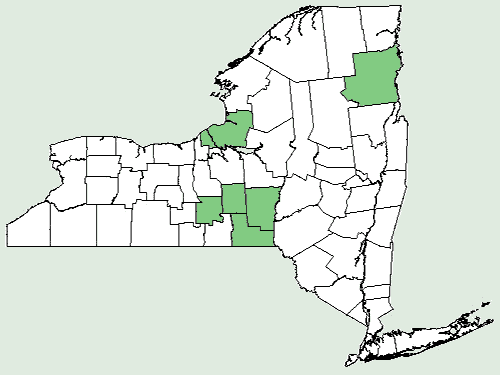
(c) liuweixuan, some rights reserved (CC BY-NC)
Summary
Potentilla chinensis is a perennial herb growing 0.6 m (2 ft) tall. Flowering occurs from May to October, with seed ripening from June to October. The plant is hermaphroditic and self-fertile, pollinated by insects. It thrives in light sandy, medium loamy, or heavy clay soils with good drainage, tolerating mildly acidic, neutral, and basic pH levels. The plant grows in semi-shade or full sun and prefers consistently moist soil.
Description
A herb. The roots are robust. They are slightly woody. The flowering stem are erect or curve upwards. They are 20-70 cm tall. The leaves near the roots have 5-15 pairs of leaflets. The leaves on the stem have fewer leaflets. The flowers are 8-10 mm across.
Edible Uses
Young shoots and leaves are edible when cooked. This plant is considered a famine food, used only when other options have been exhausted.
Traditional Uses
The shoots and leaves are eaten as a potherb. They are also used for a tea drink. The roots are used in brewing.
This uses section is brief — help expand it
Medicinal Uses
The plant is rich in tannins and is astringent, making it useful in the treatment of diarrhoea. It is also emmenagogue and febrifuge, used in Korea to treat fevers and as a women's tonic. The plant has demonstrated antitumour activity.
Distribution
It is a temperate plant. It grows in meadows and mountain slopes in N China between 400-3200 m altitude. In Sichuan and Yunnan.
Where It Grows
Asia, China, Japan, Korea, Manchuria, Mongolia, Russia,
Cultivation
We have very little information on this species and do not know if it will be hardy in Britain, though judging by its native range it should succeed outdoors in most parts of this country. The following notes are based on the general needs of the genus. Easily grown in a well-drained loam, preferring a position in full sun but tolerating shade. Prefers an alkaline soil but tolerates a slightly acid soil. Members of this genus are rarely if ever troubled by browsing deer.
Propagation
Sow seed in early spring or autumn in a cold frame. Once large enough to handle, prick seedlings into individual pots and grow on in a greenhouse through their first winter, then plant out in late spring or early summer after the last expected frosts. For division, spring is the best time. Larger divisions can go directly into permanent positions, while smaller ones are better potted up and grown on in light shade in a cold frame until well established before planting out in late spring or early summer.
Other Uses
None known
Notes
There are about 500 Potentilla species.
Also Known As
Ttakjikkot, Wei ling cai
References (12)
- "Chinese Nutrition Journal", 2002, Vol 23(8) p 298
- A. P. de Candolle, Prodr. 2:581. 1825
- Flora of China @ efloras.org Volume 9
- Hu, Shiu-ying, 2005, Food Plants of China. The Chinese University Press. p 439
- Hwang, H., et al, 2013, A Study on the Flora of 15 Islands in the Western Sea of Jeollanamdo Province, Korea. Journal of Asia-Pacific Biodiversity Vol. 6, No. 2 281-310
Show all 12 references Hide references
- Khasbagan, Hu-Yin Huai, and Sheng-Ji pei, 2000, Wild Plants in the Diet of Athorchin Mongol Herdsmen in Inner Mongolia. Economic Botany 54(4): 528-536
- Plants for a Future database, The Field, Penpol, Lostwithiel, Cornwall, PL22 0NG, UK. http://www.scs.leeds.ac.uk/pfaf/
- READ,
- Song, M., et al, 2013, Traditional knowledge of wild edible plants in Jeju Island, Korea. Indian Journal of Traditional Knowledge. 12(2) pp 177-194
- Urgamal, M., Oyuntsetseg, B., Nyambayar, D. & Dulamsuren, Ch. 2014. Conspectus of the vascular plants of Mongolia. (Editors: Sanchir, Ch. & Jamsran, Ts.). Ulaanbaatar, Mongolia. “Admon“ Press. 334pp. (p. 143-158).
- www.efloras.org Flora of China Volume 9
- Xu, You-Kai, et al, 2004, Wild Vegetable Resources and Market Survey in Xishuangbanna, Southwest China. Economic Botany. 58(4): 647-667.