Sorbus foliolosa
(Wallich) Spach
Sale
iNaturalist· cc-by-nc
(c) Rajendra Koranga, some rights reserved (CC BY-NC), uploaded by Rajendra Koranga
iNaturalist· cc-by-nc
(c) Rajendra Koranga, some rights reserved (CC BY-NC), uploaded by Rajendra Koranga
Description
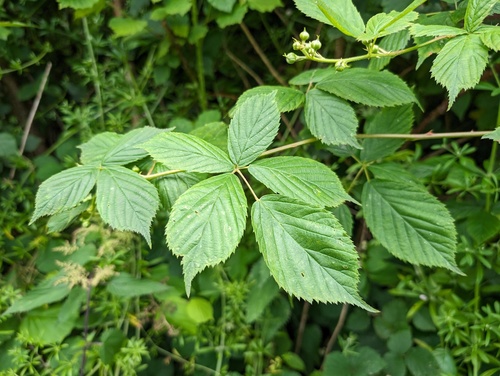
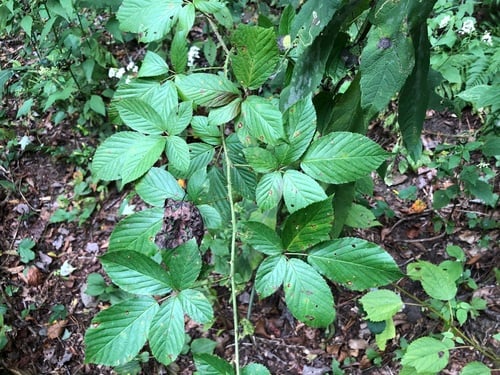
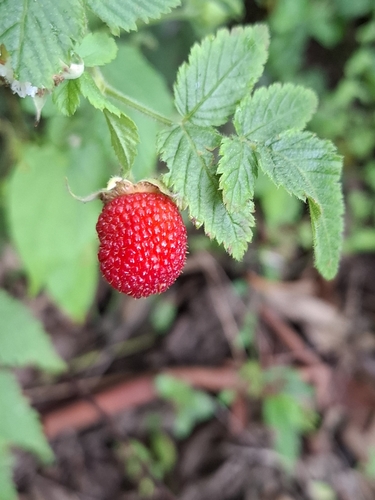
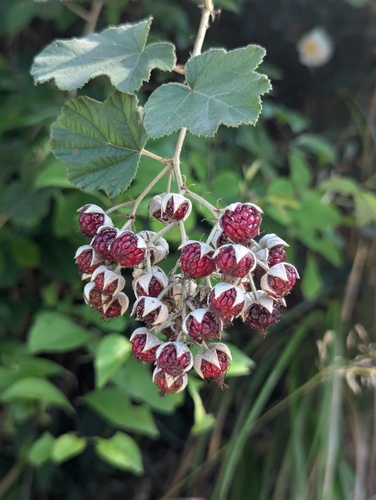
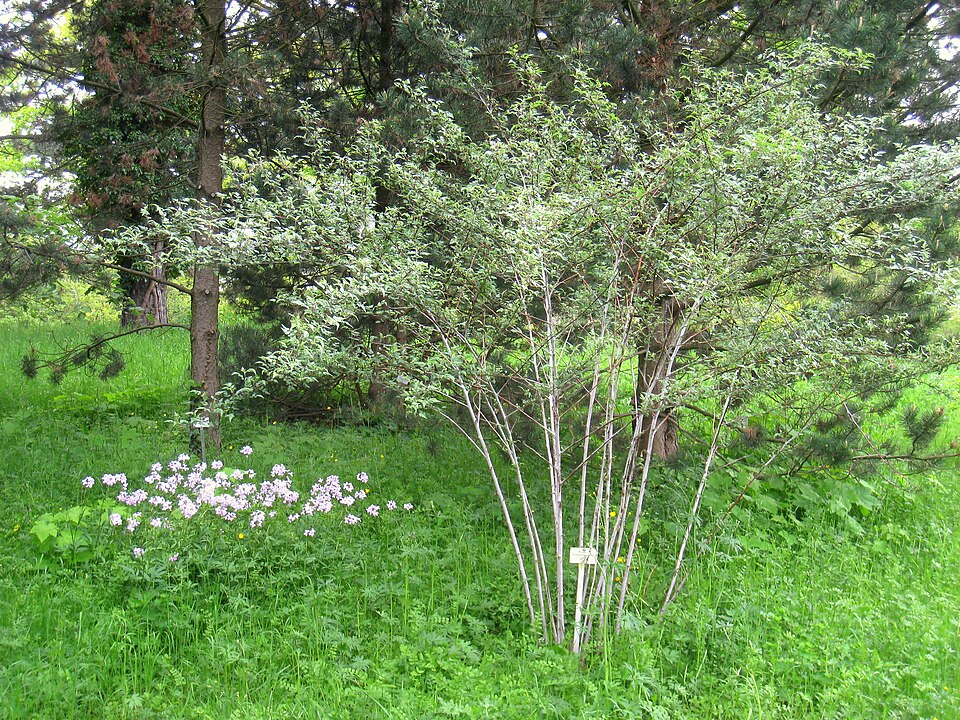
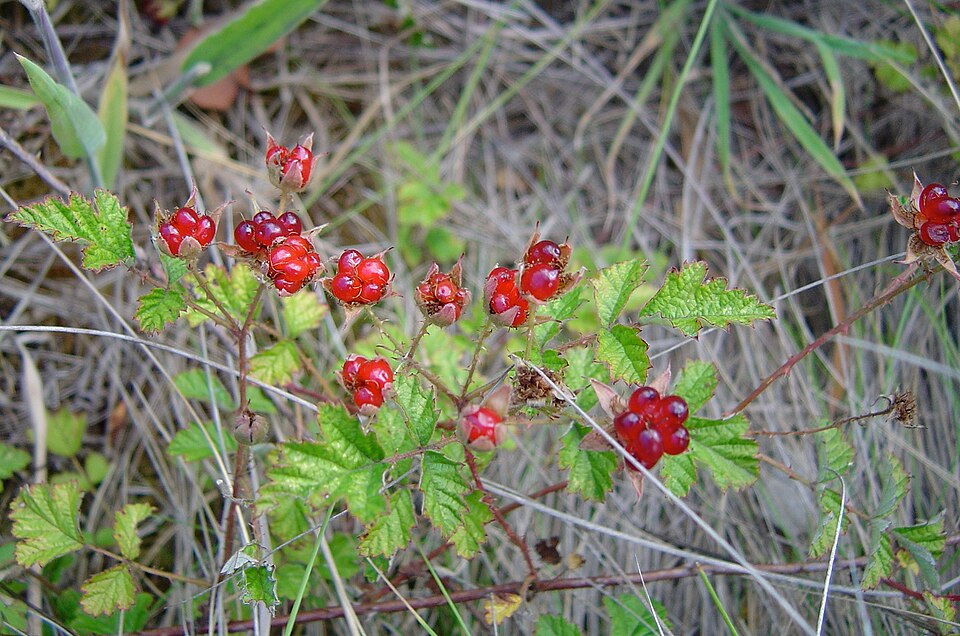
A large shrub or small tree. The bark peels off in strips across the trunk. The twigs are almost without hairs. The leaves are 6-12 cm long and have 9-15 pairs of leaflets. The leaflets are narrow and have sharp teeth along the edge. The leaflets are 2.3-4 cm long. The flowers have long white downy hairs. The flowers are white or greenish-white and in dense flat topped clusters. They have an unpleasant smell. The petals are rounded and 2-3 mm across. The fruit is round or oval and red or bluish-red.
Edible Uses
The ripe fruit are eaten.
Traditional Uses
The ripe fruit are eaten.
This uses section is brief — help expand it
Distribution
It is a subtropical plant. It grows between 2,400-4,000 m altitude in the Himalayas. In Yunnan.
Where It Grows
Asia, Bhutan, Canada, China, Himalayas, India, Myanmar, Nepal, North America, Northeastern India, SE Asia, Sikkim, Tibet,
Synonyms
Also Known As
Jungli seo, Ranreg
References (7)
- Ambasta, S.P. (Ed.), 2000, The Useful Plants of India. CSIR India. p 586
- Flora of China @ efloras.org Volume 9
- Hist. nat. veg. 2:96. 1834
- Negi, P. S. & Subramani, S. P., 2015, Wild Edible Plant Genetic Resources for Sustainable Food Security and Livelihood of Kinnaur District, Himachal Pradesh, India, International Journal of Conservation Science. 6 (4): 657-668
- Polunin, O., & Stainton, A., 2006, Flowers of the Himalaya, Oxford India Paperbacks. p 122
Show all 7 references Hide references
- Rawat, G.S., & Pangtey, Y.P.S., 1987, A Contribution to the Ethnobotany of Alpine Regions of Kumaon. J. Econ. Tax. Bot. Vol. 11 No. 1 pp 139-147
- www.Efloras.org Annotated checklist of the Flowering Plants of Nepal.