Pometia pinnata fo. glabra
Forst., (Bl.) Jacobs
Fijian longan, Malugai
iNaturalist· cc-by-nc
(c) Aditya Gadkari, some rights reserved (CC BY-NC), uploaded by Aditya Gadkari
iNaturalist· cc-by-nc
(c) JODY HSIEH, some rights reserved (CC BY-NC), uploaded by JODY HSIEH
iNaturalist· cc-by-nc
(c) jakeyjakes, some rights reserved (CC BY-NC), uploaded by jakeyjakes
Summary
Source: WikipediaThe Pometia pinnata is a tropical hardwood tree species that is widespread in the Pacific and Southeast Asian regions. The tree species has many common names, including matoa, tava (in Samoa and Tonga), taun tree, Island lychee and Pacific lychee. The species comes from the Sapindaceae family and comes from the clades of Tracheophytes, Angiosperms, and the order Sapindales.
Description
A large tree with a crooked irregular stem. The leaves are large and alternate. They have 4 to 9 pairs of leaflets. The flower arrangement is at the ends of branches and is profuse. The flowers are small and yellowish white. The fruit is round 3 cm across and hard and brittle. The skin of the ripe fruit peels off like a mandarin. The edible part is a clear layer around the seed, like in a rambutan.
Edible Uses
The fleshy translucent layer (aril) around the seed is eaten raw.
Traditional Uses
The fleshy portion around the seed is eaten raw. CAUTION The edible form of ton must be chosen. The actual seeds have been reported to be poisonous.
This uses section is brief — help expand it
Known Hazards
The edible form must be chosen carefully; the actual seeds have been reported to be poisonous.
Distribution
A tropical plant. They are widely scattered throughout the Philippines. The broadleafed type is found along creeks in deep ravines while the narrow type is on forested ridges. It occurs in lowland and lower montane forest. They occur from sea level to 700 m altitude. (The inedible kind occurs on the ridges and is the more useful timber tree.)
Where It Grows
Asia, Pacific, Papua New Guinea, PNG, Philippines, SE Asia,
Cultivation
Trees mostly grow wild but they are also planted from nuts after the flesh is eaten. They are often transplanted.
Production
Fruit production is seasonal. The season is very short and is between November and March.
References (2)
- Monsalud, M.R., Tongacan, A.L., Lopez, F.R., & Lagrimas, M.Q., 1966, Edible Wild Plants in Philippine Forests. Philippine Journal of Science. p 542 (As Pometia pinnata fo. glabra)
- Plants of Papua New Guinea LAE herbarium record
More from Sapindaceae
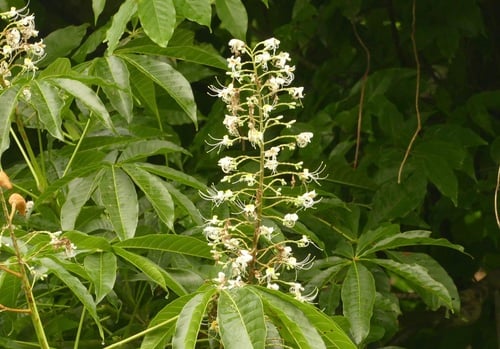
Aesculus assamica
Ma niang nam
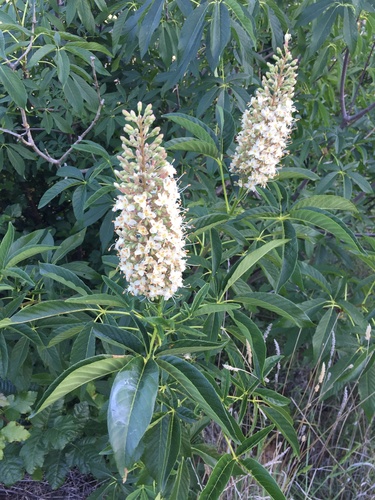
Aesculus californica
Californian Buckeye, Californian Horse-Chestnut, Berraco
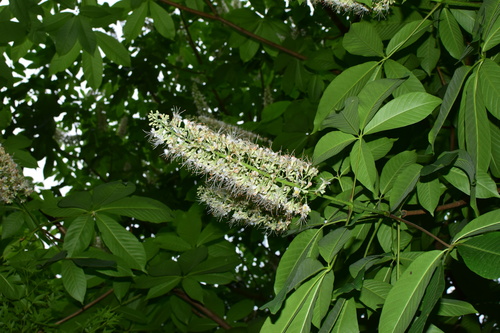
Aesculus chinensis
Chinese horse chestnut
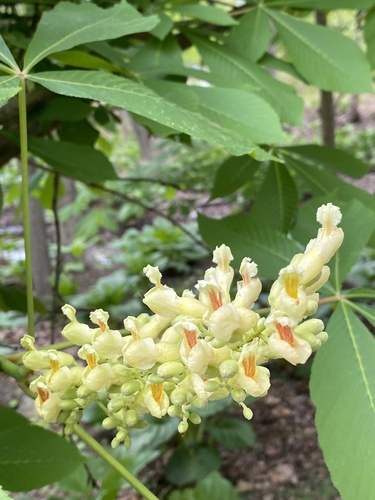
Aesculus flava
Sweet buckeye, Horse Chestnut, Yellow Buckeye
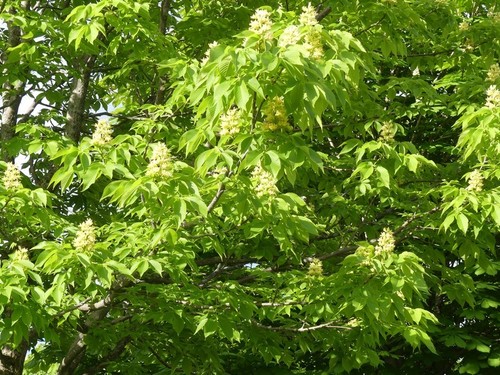
Aesculus glabra
Ohio buckeye, Fetid buckeye
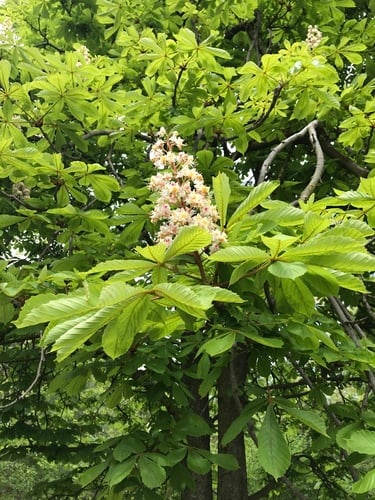
Aesculus hippocastanum
European horse chestnut