Diploglottis bracteata
Leenh.
Atherton tamarind, Boonjee Tamarind
iNaturalist· cc-by-nc
(c) Rene, some rights reserved (CC BY-NC), uploaded by Rene
iNaturalist· cc-by-nc
(c) Rene, some rights reserved (CC BY-NC), uploaded by Rene
iNaturalist· cc-by-nc
(c) Rene, some rights reserved (CC BY-NC), uploaded by Rene
Summary
Source: WikipediaDiploglottis bracteata, commonly known as Boonjee tamarind, is a plant in the lychee family Sapindaceae found only in the Wet Tropics bioregion of Queensland, Australia. It is a tree growing to about 25 m (82 ft) in height with a fluted trunk and distinctively large bracts of flowers. It was first described by the Dutch botanist Pieter Willem Leenhouts in 1978, and the common name refers to the area on the Atherton Tableland where the species occurs.
Description
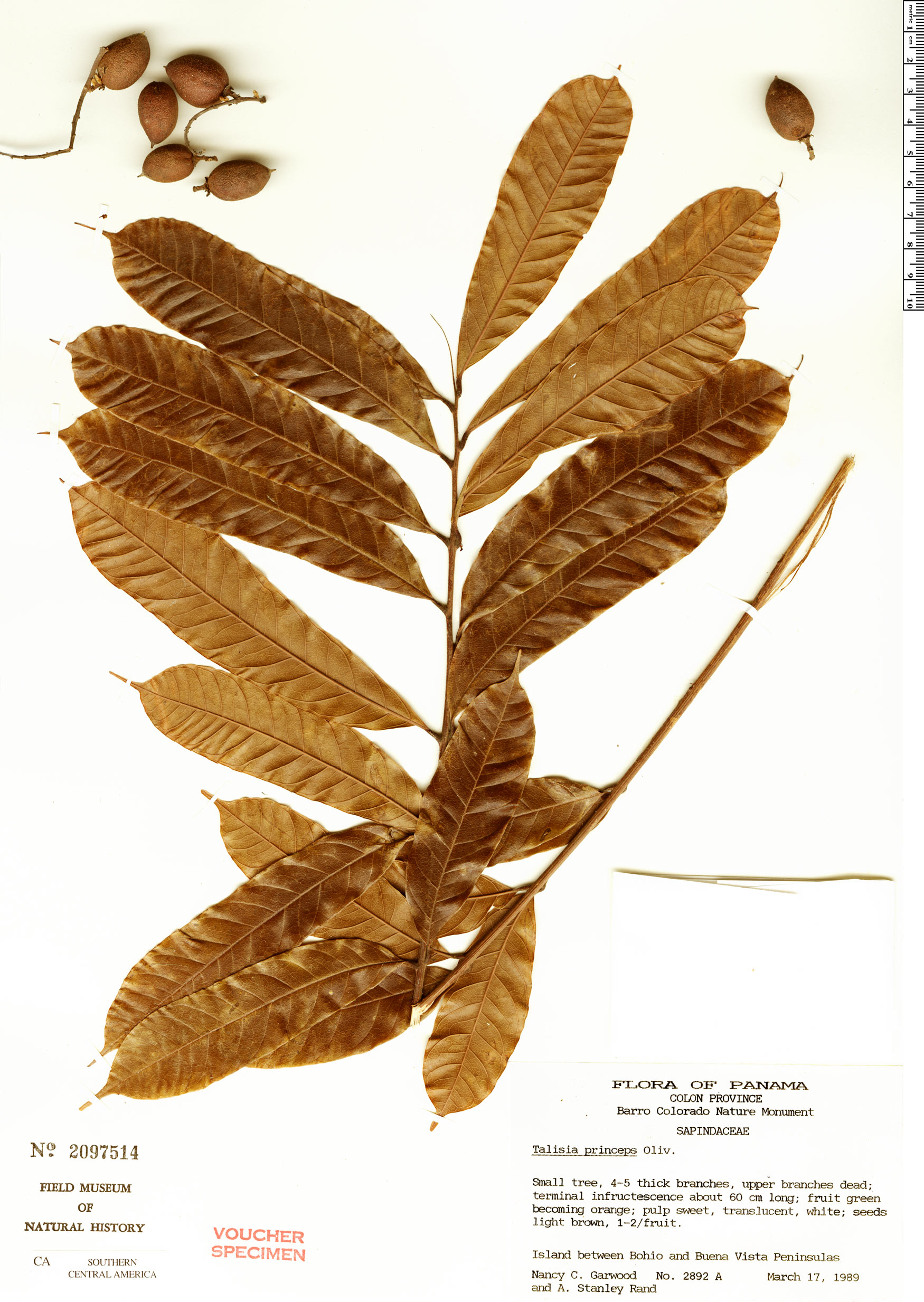
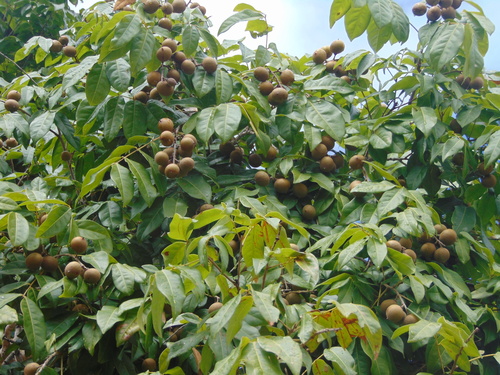
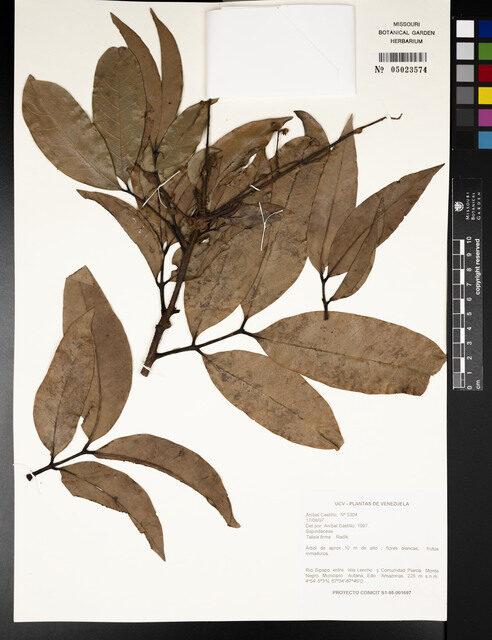
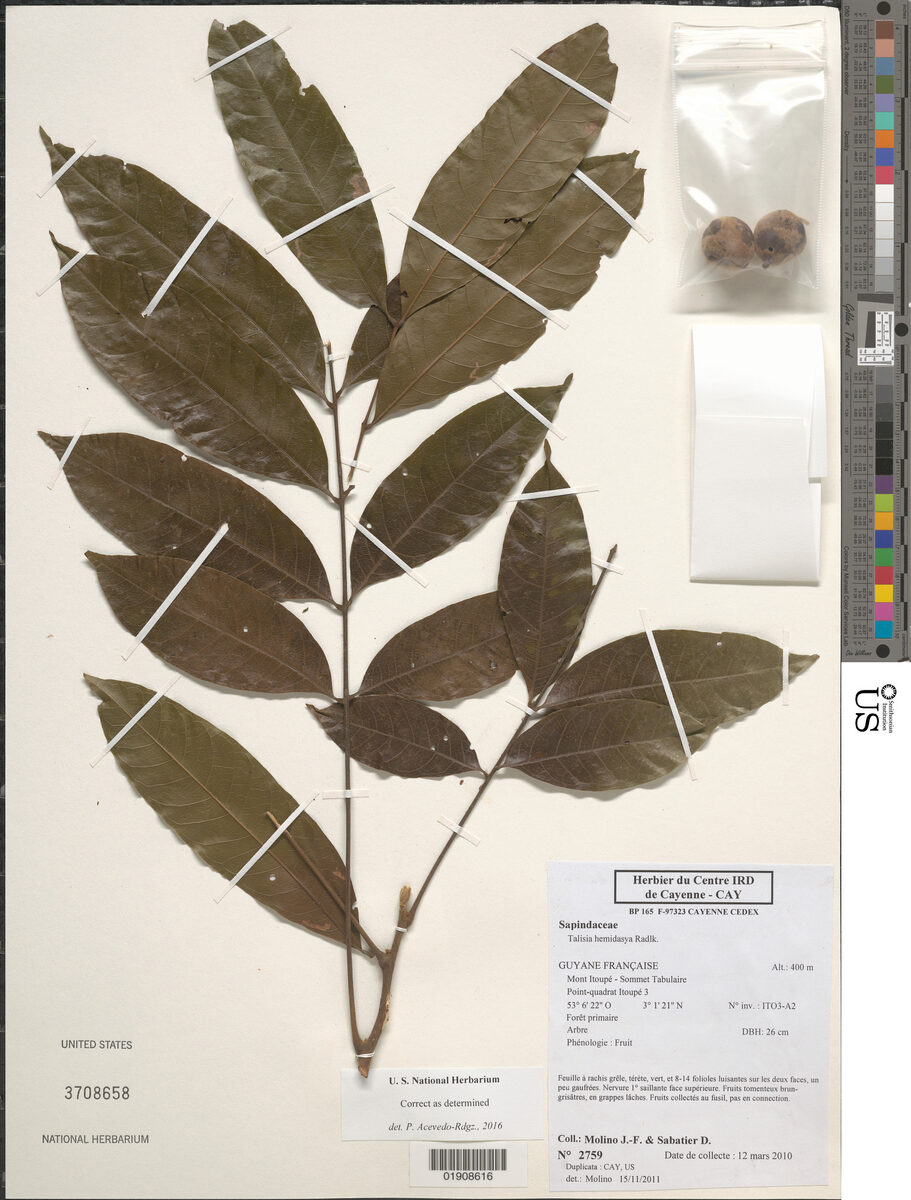
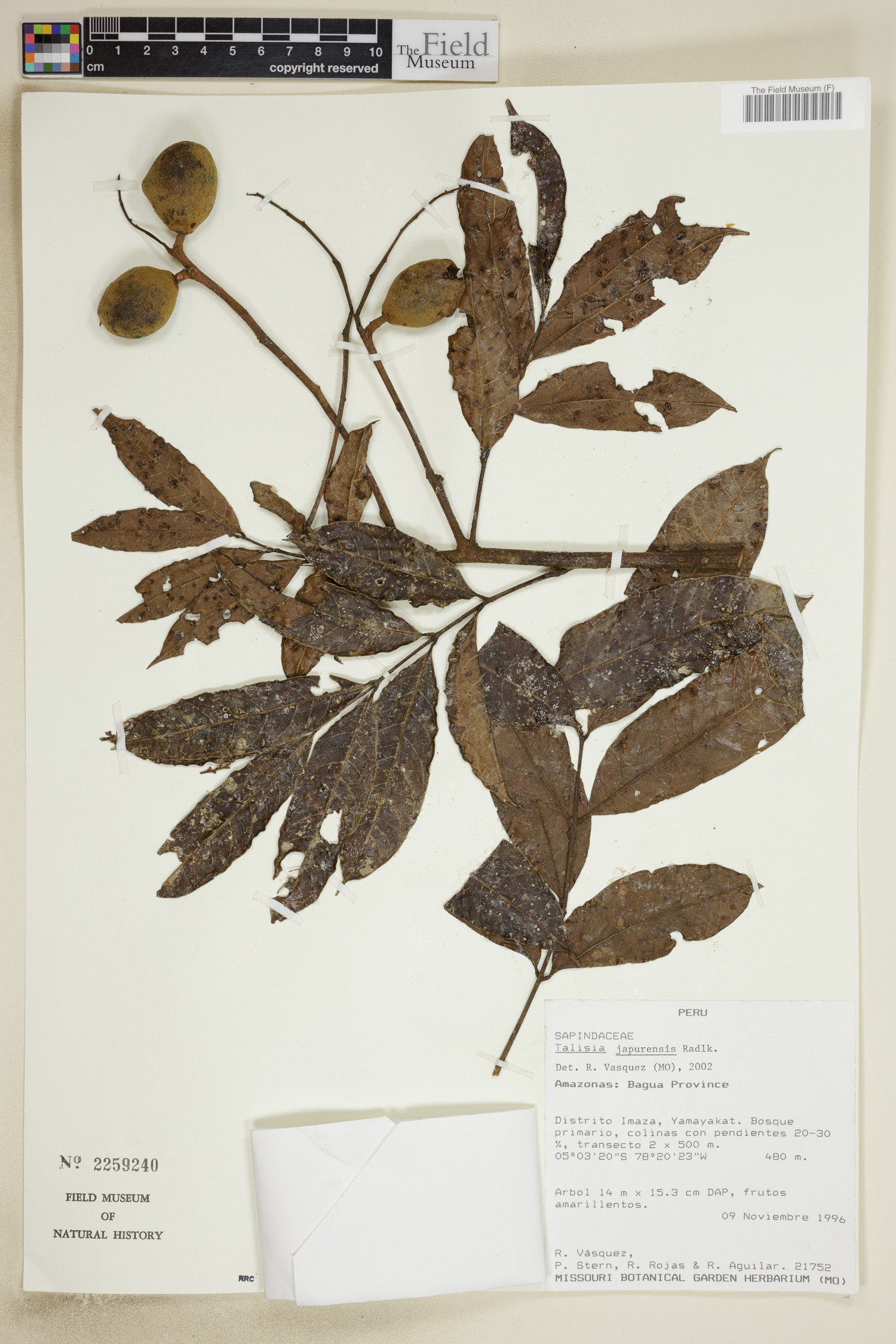
A tree up to 10 m tall. It spreads 3-5 m wide. The leaves are compound. There are 8-14 leaflets and these are 5-23 cm long. New leaves are silvery and older leaves are softly hairy underneath. The fruit are 15-25 mm across. They occur in bunches in the axils of leaves. The fruit capsule has a velvety texture on the outside. It is silky on the inside. There are 3 seeds. These are 4 cm long by 2 cm across. The aril or layer around the seed is edible.
Edible Uses
The aril (the layer surrounding the seed) is eaten fresh from the fruit.
Distribution
A tropical plant. It grows naturally in rainforest in Queensland, Australia. It suits higher altitudes. In tropical Queensland it grows from sea level to 820 m altitude. It can tolerate full sun. It needs well drained soils rich in organic matter.
Where It Grows
Australia*,
Cultivation
Plants are grown from seed which must be sown fresh.
Production
Seedlings are slow growing in their first year.
Notes
There are 8-10 Diploglottis species.
References (8)
- Cherikoff V. & Isaacs, J., The Bush Food Handbook. How to gather, grow, process and cook Australian Wild Foods. Ti Tree Press, Australia p 147
- Cooper W & Cooper W T, 1994, Fruits of the Rain Forest. RD Press p 94
- Cooper, W. and Cooper, W., 2004, Fruits of the Australian Tropical Rainforest. Nokomis Editions, Victoria, Australia. p 486
- Elliot, W.R., & Jones, D.L., 1984, Encyclopedia of Australian Plants suitable for cultivation. Vol 3. Lothian. p 290
- Jones D, L, 1986, Ornamental Rainforest Plants in Australia, Reed Books, p 124, 340
Show all 8 references Hide references
- Low, T., 1991, Wild Food Plants of Australia. Australian Nature FieldGuide, Angus & Robertson. p 87
- Recher, P, 2001, Fruit Spirit Botanical Gardens Plant Index. www.nrg.com.au/~recher/ seedlist.html p 2
- Townsend, K., 1994, Across the Top. Gardening with Australian Plants in the tropics. Society for Growing Australian Plants, Townsville Branch Inc. p 163