Polygonum setosum
A. Rich.
gbif· cc-by-sa
brshedayat
gbif· cc-by-sa
brshedayat
gbif· cc-by-sa
brshedayat
Description
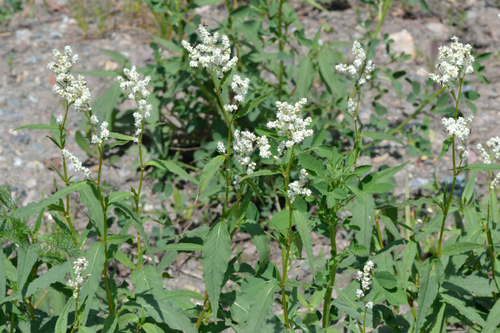
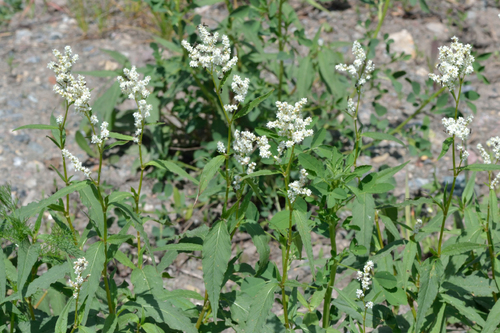
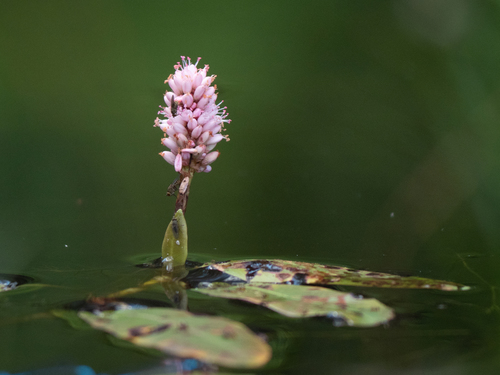
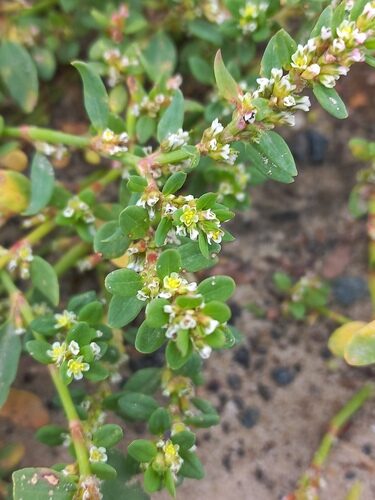
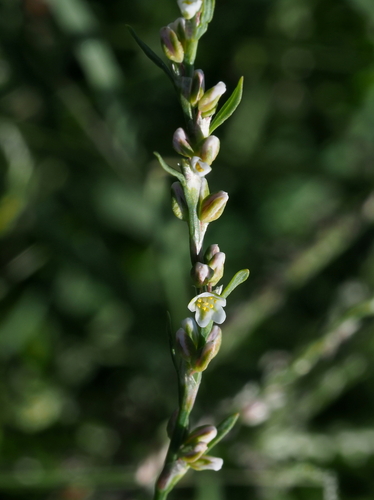
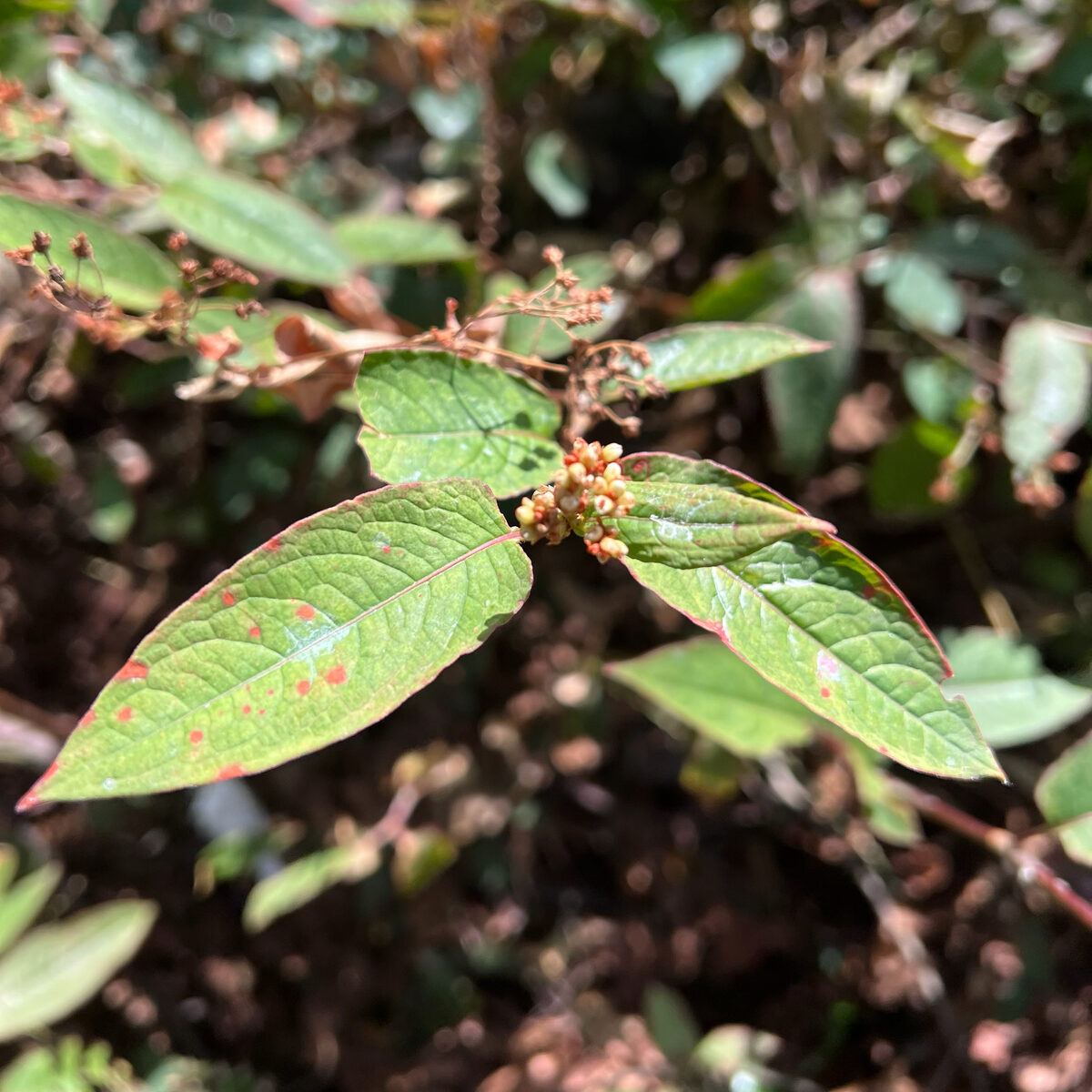
A herb that keeps growing from year to year. The stems are erect, slender and hairy. The leaves are sword shaped and taper to the base. They are usually hairy on both sides. The leaves are 10-15 cm long. The flowers are small and in spikes. They are 5-7.5 cm long.
Edible Uses
The leaves are cooked and eaten, with flavor varying by growing conditions—they are bitter when grown on dry land but have a good flavor when grown near water.
Traditional Uses
The leaves are cooked and eaten. They are bitter when grown on dry land and have a good flavour when grown near water.
This uses section is brief — help expand it
Distribution
A tropical plant. It can grow in arid places.
Where It Grows
Africa, Cameroon, Central Africa, East Africa, Equatorial-Guinea, Kenya, Malawi, Middle East, Sudan, Tanzania, Uganda, West Africa, Yemen,
Notes
There are about 50 Polygonum species.
Synonyms
Also Known As
Chikungu, Kungu ufu
References (8)
- Burkill, H. M., 1985, The useful plants of west tropical Africa, Vol. 4. Kew.
- Glover et al, 1966b,
- Grivetti, L. E., 1980, Agricultural development: present and potential role of edible wild plants. Part 2: Sub-Saharan Africa, Report to the Department of State Agency for International Development. p 45
- Jardin, C., 1970, List of Foods Used In Africa, FAO Nutrition Information Document Series No 2.p 96
- Martin, F.W. & Ruberte, R.M., 1979, Edible Leaves of the Tropics. Antillian College Press, Mayaguez, Puerto Rico. p 214
Show all 8 references Hide references
- Peters, C. R., O'Brien, E. M., and Drummond, R.B., 1992, Edible Wild plants of Sub-saharan Africa. Kew. p 162
- Royal Botanic Gardens, Kew (1999). Survey of Economic Plants for Arid and Semi-Arid Lands (SEPASAL) database. Published on the Internet; http://www.rbgkew.org.uk/ceb/sepasal/internet [Accessed 6th June 2011]
- Williamson, J., 2005, Useful Plants of Malawi. 3rd. Edition. Mdadzi Book Trust. p 205