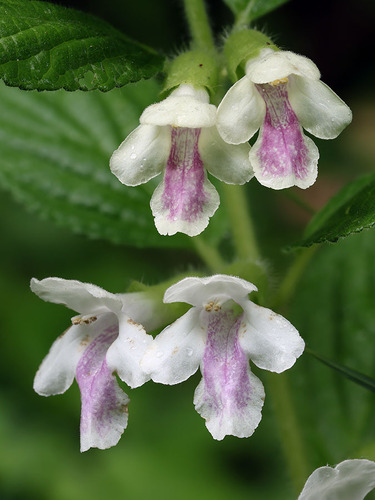
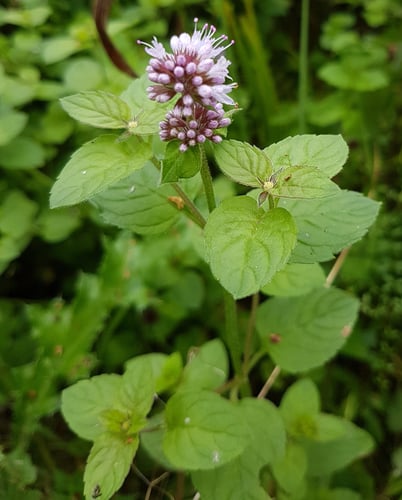
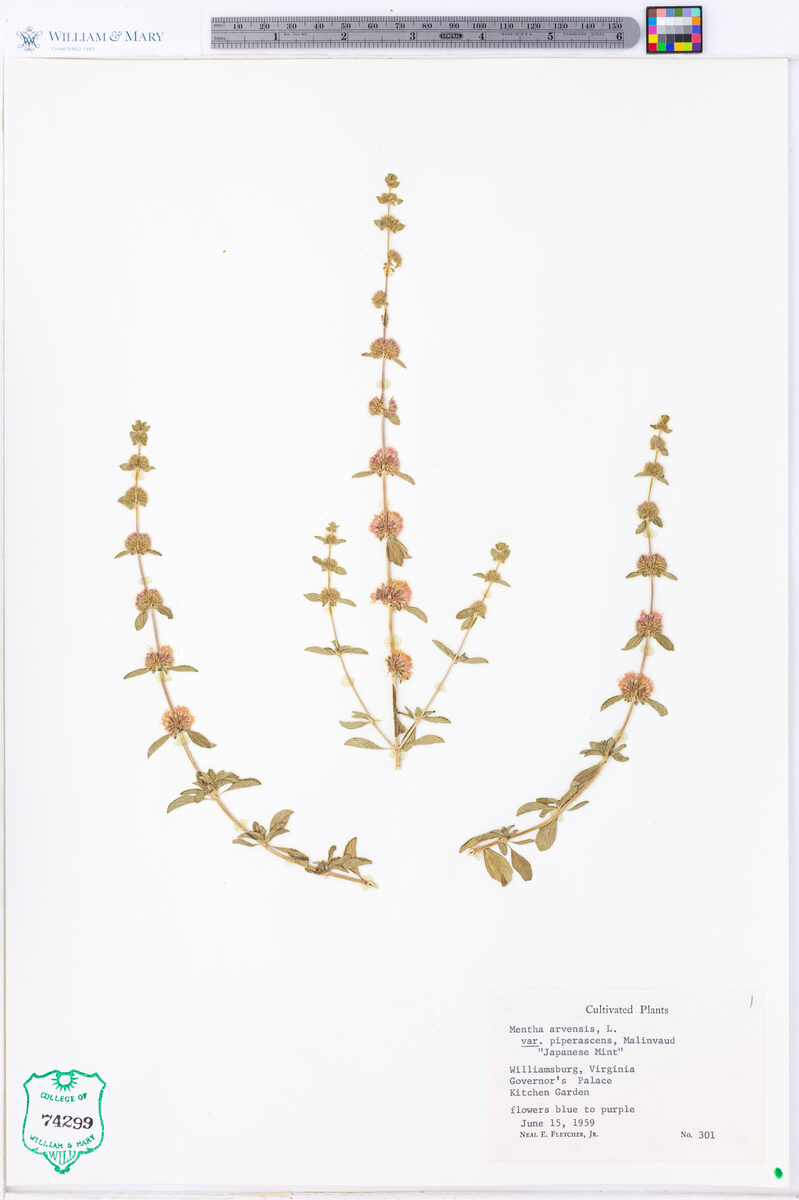
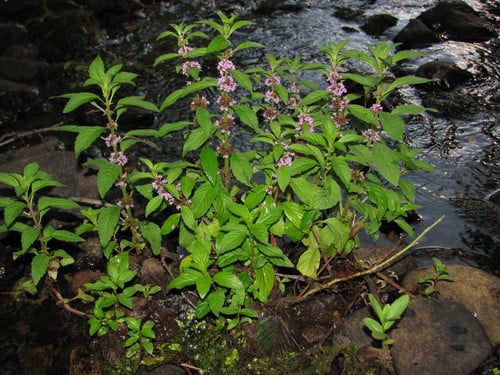
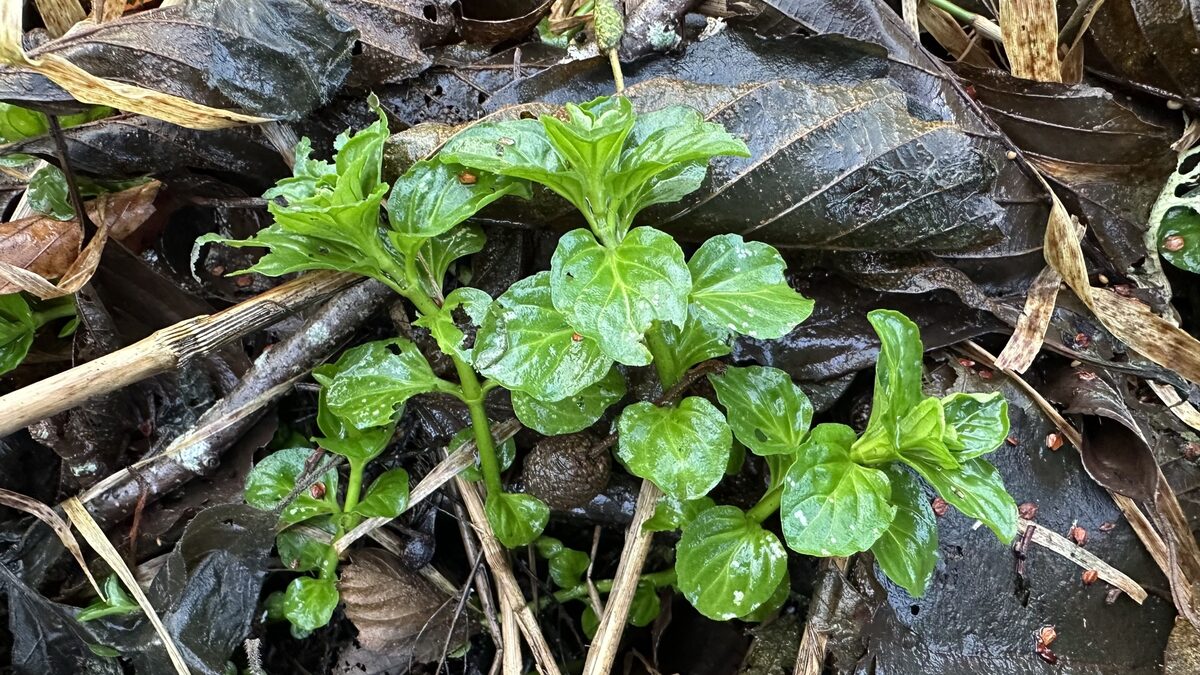
Plectranthus kamerunensis
Gurke
gbif· cc-by
Royal Botanic Gardens, Kew
gbif· cc-by-nc-sa
MBG
gbif· cc-by
Royal Botanic Gardens, Kew
Description
A tropical herbaceous plant in the mint family (Lamiaceae) with edible leaves.
This description is brief — help expand it
Edible Uses
The leaves are edible. No further details
Medicinal Uses
The plant is used in the treatment of digestive complaints and skin problems.
Known Hazards
The plant has been used as a poison.
Distribution
A tropical plant.
Where It Grows
Africa, Central Africa, Congo,
Propagation
Seed - sow in well-drained soil, covering lightly with a thin layer of sand, and place in a warm but shaded spot. The seed germinates in about three weeks. Cuttings of Plectranthus species generally root easily - soft tips root faster than semi-hardwood growth. The cuttings are best taken 60 - 100mm long with three or four nodes, making the cut just below a node. Place them in sand, perlite, vermiculite or peat, or any mixture of these, keep them moist and shaded and they should root in 2 - 3 weeks
Other Uses
A decoction of the leaves is used in bathing newborn babies.
Notes
There are about 250 Plectranthus species. They are mainly in the tropics.
References (2)
- Jardin, C., 1970, List of Foods Used In Africa, FAO Nutrition Information Document Series No 2.p 95
- Martin, F.W. & Ruberte, R.M., 1979, Edible Leaves of the Tropics. Antillian College Press, Mayaguez, Puerto Rico. p 196