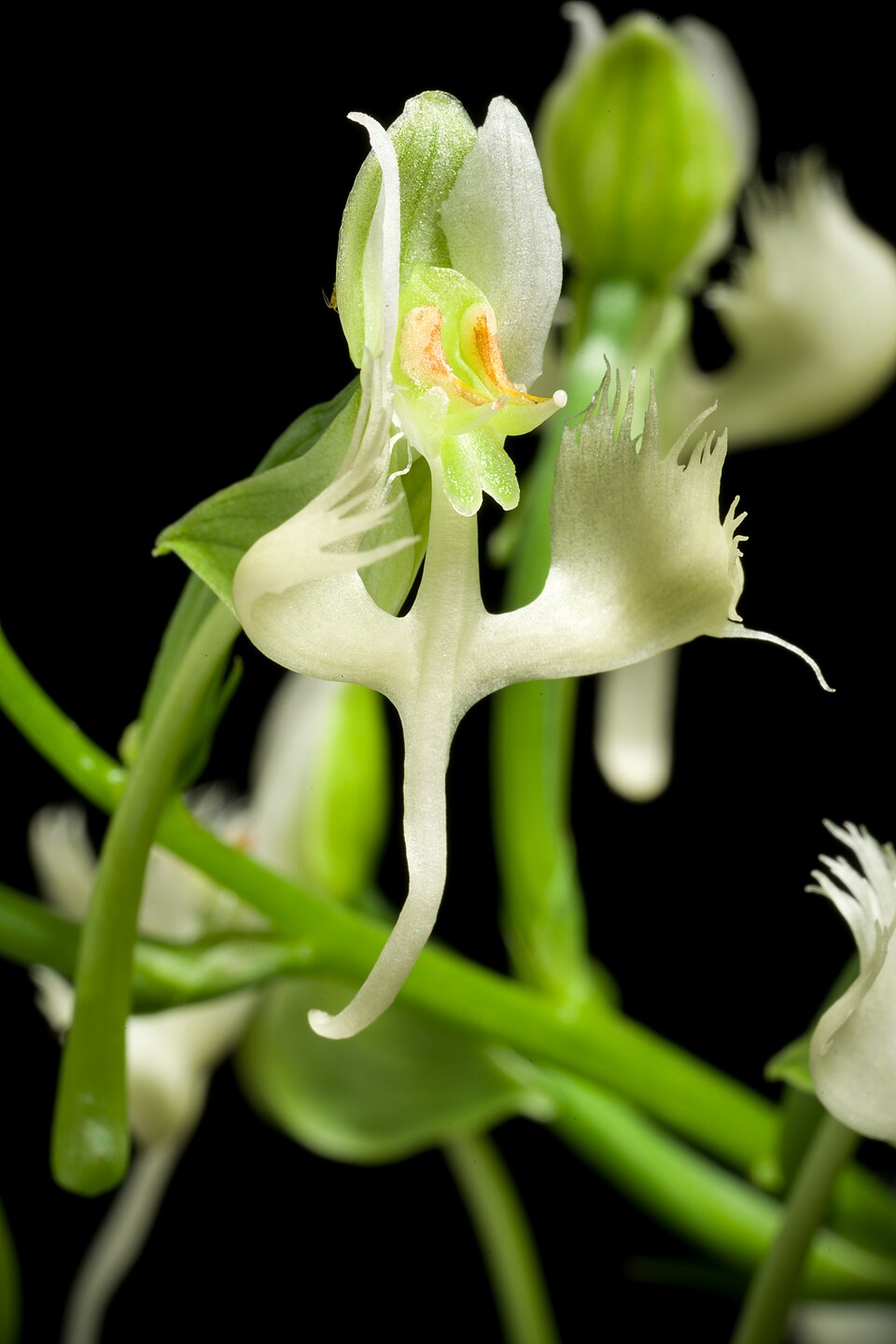
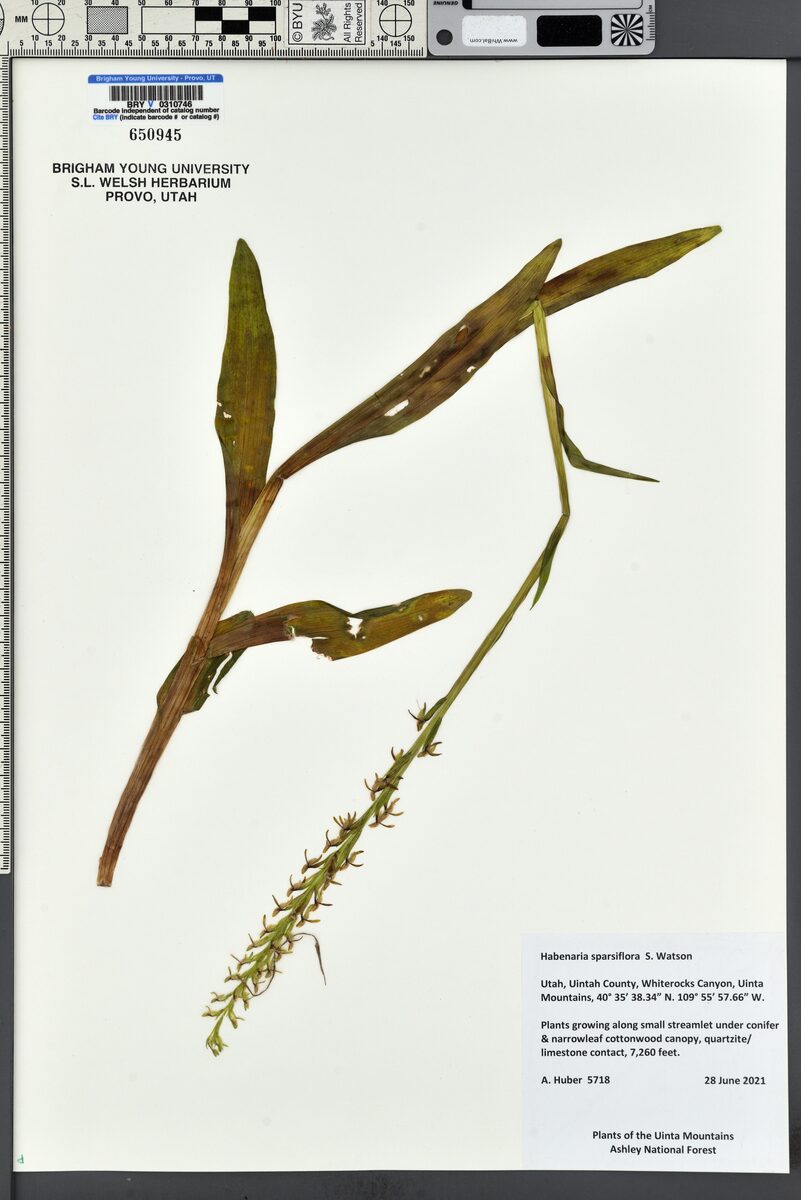
Platanthera dilatata
(Pursh.) Lindl.
White bog-orchid
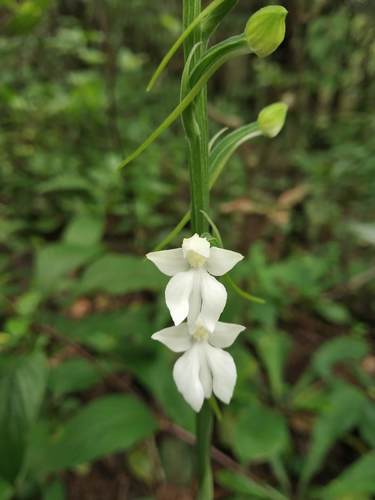
iNaturalist· cc-by-nc
(c) Jenifer Shapland, some rights reserved (CC BY-NC), uploaded by Jenifer Shapland
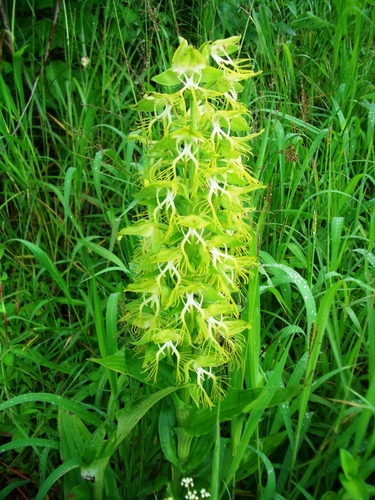
iNaturalist· cc-by
(c) Ken-ichi Ueda, some rights reserved (CC BY)
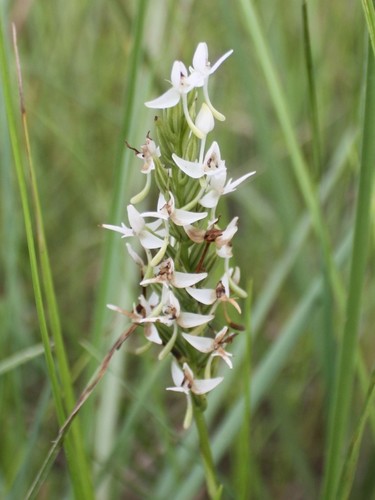
iNaturalist· cc-by-nc
(c) Jenifer Shapland, some rights reserved (CC BY-NC), uploaded by Jenifer Shapland
Summary
Source: WikipediaPlatanthera dilatata, known as tall white bog orchid, bog candle, or boreal bog orchid is a species of orchid, a flowering plant in the family Orchidaceae, native to North America. It was first formally described in 1813 by Frederick Traugott Pursh as Orchis dilatata. It is sometimes called fragrant white bog orchid or scentbottle, for the smell of its flowers, described as intensely spicy or clove-like. In the Midwest and northeastern United States and Canada, it grows in cold, calcareous fens, cedar and tamarack swamps, meadows, and marshes, typically in sunny spots.
Description
An orchid. It can be 1 m high. There are 2 leaves up to 30 cm long. There are about 70 flowers on the stalk. Each flower is about 2.5 cm across.
This description is brief — help expand it
Edible Uses
The root is eaten cooked and is said to taste like frozen potatoes.
Medicinal Uses
The juice of the root has been mixed with water and drunk as a treatment for gravel.
Distribution
It is a temperate plant. California.
Where It Grows
Canada, North America, USA,
Propagation
Surface sow seed in a greenhouse, preferably as soon as it is ripe, and do not allow the compost to dry out. The seed is extremely simple, consisting of a minute embryo surrounded by a single layer of protective cells with very little food reserve. It depends on a symbiotic relationship with a soil-dwelling fungus whose hyphae invade the seed and embryo cells; the orchid digests this fungal tissue as a food supply until it can obtain nutrients from decaying soil material. It is best to incorporate soil from around established plants to introduce the fungus, or to sow seed around an existing plant of the same species and allow seedlings to grow on until large enough to move. Division can be attempted in autumn; the plant is very intolerant of root disturbance, so keep a large ball of soil around the plant when moving or dividing.
Other Uses
None known.
Notes
There are about 200 Platanthera species.
References (2)
- Holliman, J., (Ed.), 2002, Orchids. Botanica's Pocket. Random House, Australia. p 456
- Plants for a Future database, The Field, Penpol, Lostwithiel, Cornwall, PL22 0NG, UK. http://www.scs.leeds.ac.uk/pfaf/