Planchonella arnhemica
(F. Muell.) P. Royen
Nutwood
iNaturalist· cc-by-nc
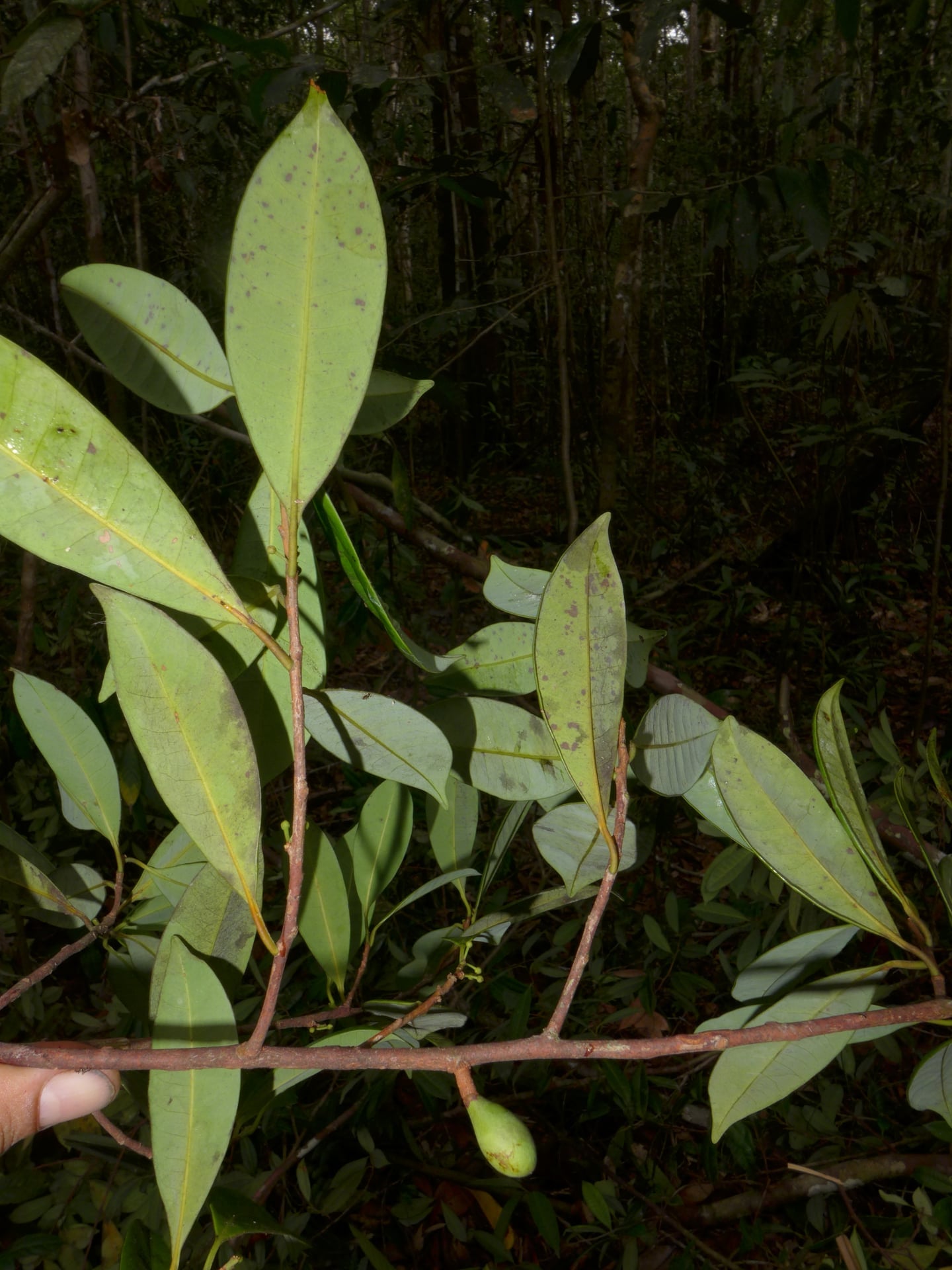
(c) Bullo River Station, some rights reserved (CC BY-NC), uploaded by Bullo River Station
iNaturalist· cc-by-nc
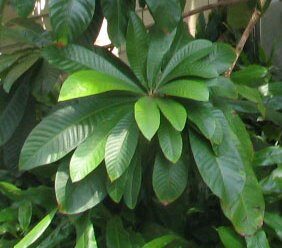
(c) Carissa, some rights reserved (CC BY-NC)
iNaturalist· cc-by-nc
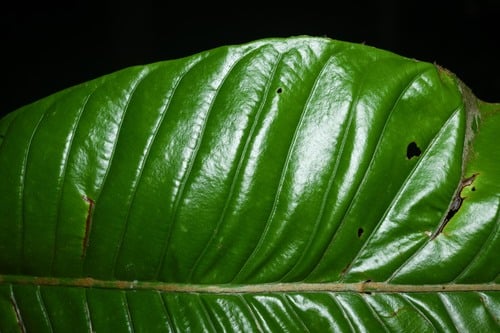
(c) Carissa, some rights reserved (CC BY-NC)
Description
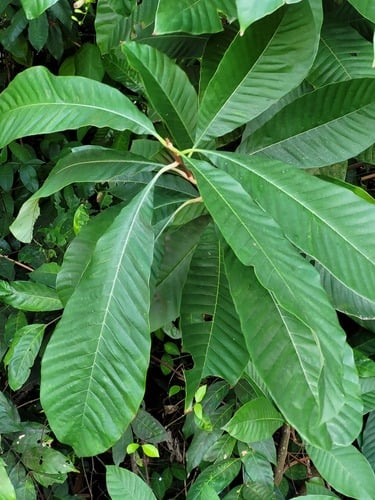
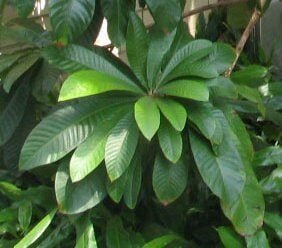
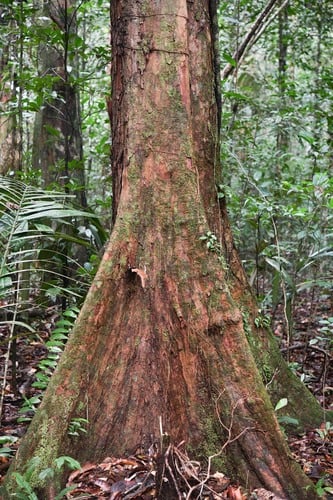
A tall shrub or small tree. It grows 4-10 m high and spreads 3-5 m wide. Young growth is yellowish and hairy. The leaves are 7-18 cm long by 2.5-8 cm wide. The are broadly oval and crowded near the ends of branches. They are thin textured, dull and dark green. They are hairy on both surfaces. The edges are wavy. The flowers are 0.4 cm long and greenish. They are in clusters in the axils of leaves. The fruit are berries. They are 2-3 cm across by 2-2.7 cm wide and oval. They are brown and with small hairs. There are 4-5 seeds. They are 1.3 cm long by 0.8 cm wide. They are brown and shiny.
Edible Uses
The fruit are eaten.
Distribution
A tropical plant. It can stand long dry periods. It needs well drained soil and a sunny location. It grows on sandy outcrops in the Kimberleys in northern Western Australia.
Where It Grows
Australia*,
Cultivation
Plants can be grown from fresh seed.
Notes
There are about 100 Planchonella species. They are mostly in Asia and the Pacific.
Synonyms
Also Known As
Mangarr
References (7)
- Crawford, I. M., 1982, Traditional Aboriginal Plant Resources in the Kalumburu Area: Aspects in Ethno-economics. Records of the Western Australian Museum Supplement No. 15
- Cribb, A.B. & J.W., 1976, Wild Food in Australia, Fontana. p 50
- Elliot, W.R., & Jones, D.L., 1997, Encyclopedia of Australian Plants suitable for cultivation. Vol 7. Lothian. p 355
- Morley, B.D., & Toelken, H.R., (Eds), 1983, Flowering Plants in Australia. Rigby. p 117
- Roth, 1901,
Show all 7 references Hide references
- Specht, R.L. 1958,
- Vigilante, T., et al, 2013, Island country: Aboriginal connections, values and knowledge of the Western Kimberley islands in the context of an island biological survey. Records of the Western Australian Museum Supplement 81: 145-182