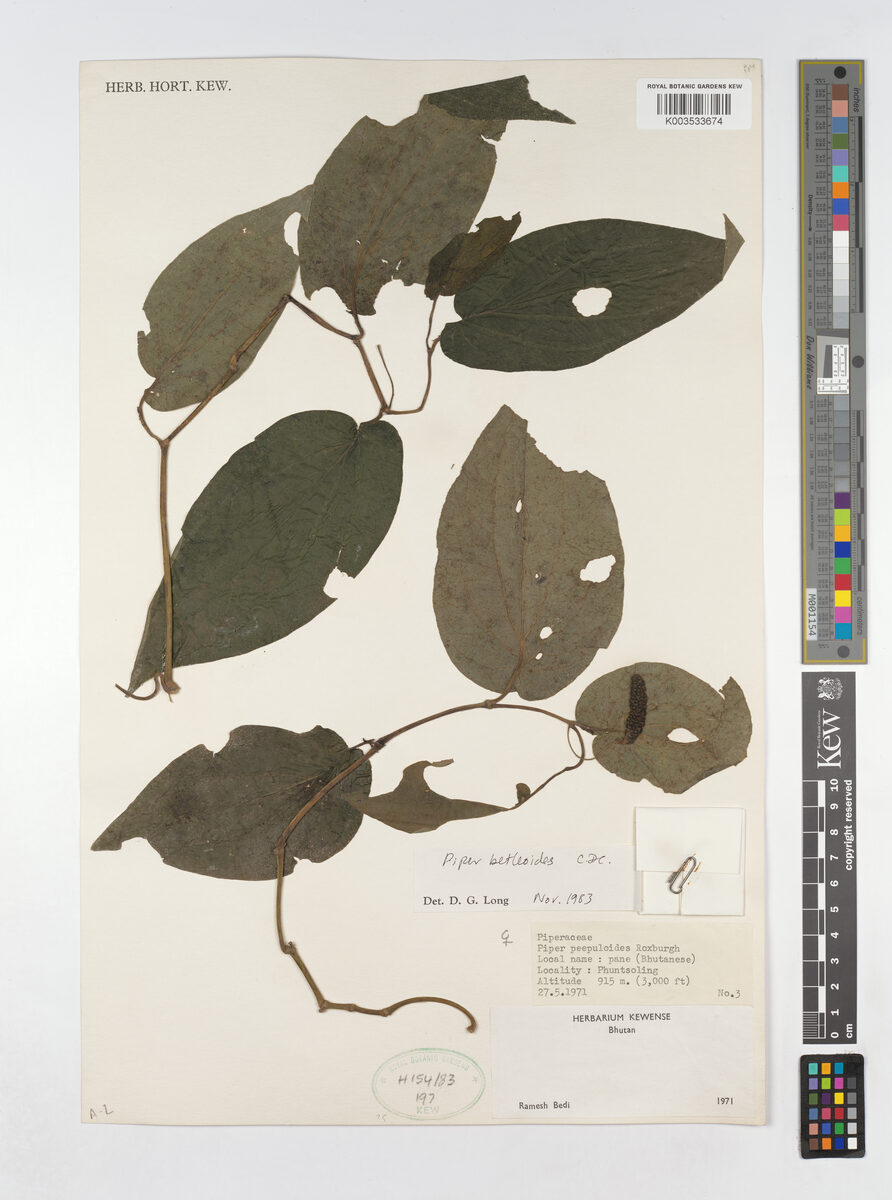
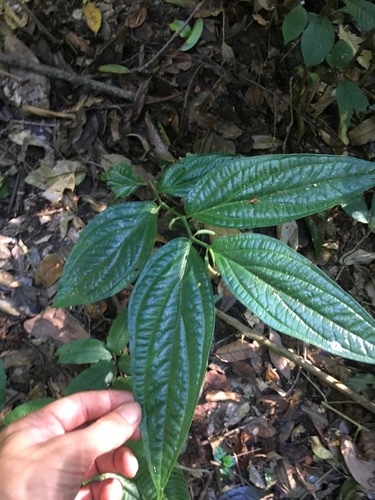
Piper rothianum
F.M. Bailey
Australian native pepper
gbif· cc-by-nc-sa
MBG
gbif· cc-by
Royal Botanic Gardens, Kew
gbif· cc-by
Royal Botanic Gardens, Kew
Description
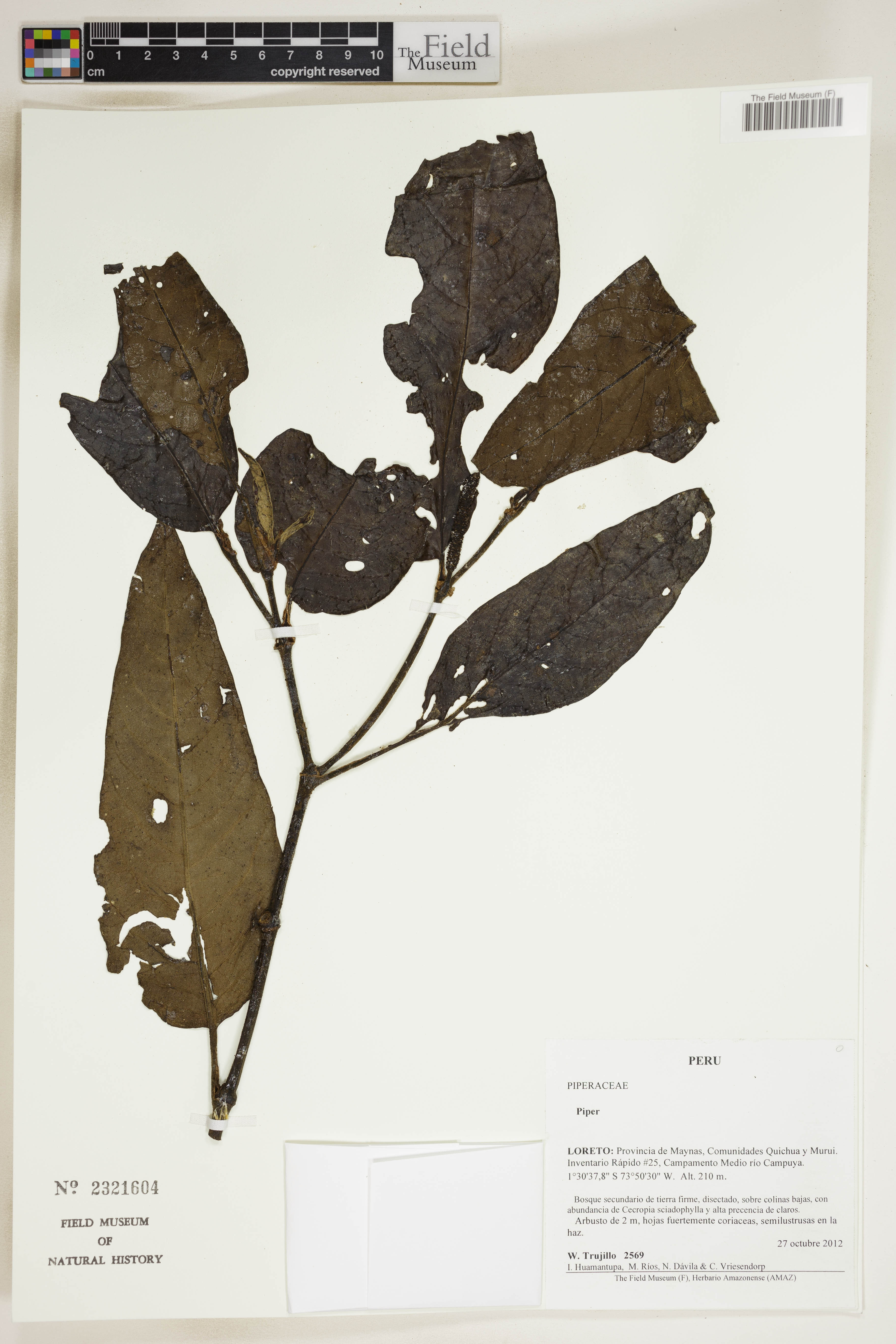
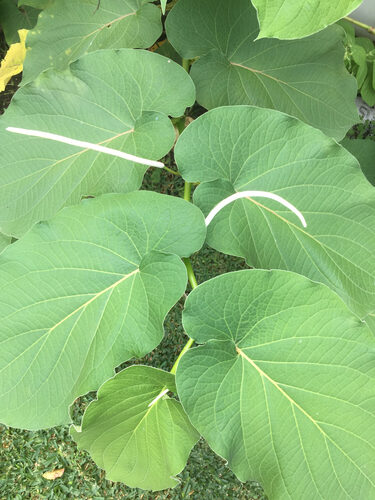
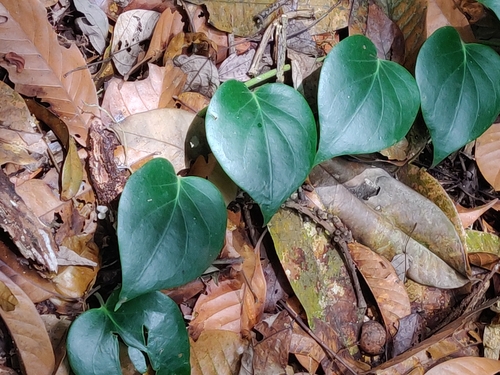
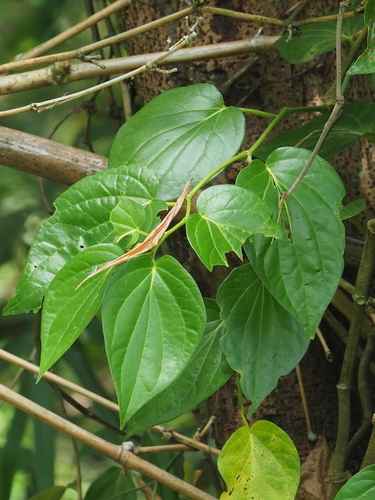
A vine which climbs by attaching roots. It grows 10-15 m high. The side branches hang down. The leaves are simple and 7-13 cm long by 5-9 cm wide. They are smooth and dark green. The leaves are broadly oval. The leaves when crushed smell of citrus. The flowering spikes are 10 cm long. The flowers are very small and cream. The fruit is up to 8-12 cm long by 0.6-0.8 cm wide. They are produced in the axils of leaves and at the ends of branches. They are dull red. There are several very small seeds. The fruit is edible.
Edible Uses
The fruit is edible and can be eaten.
Distribution
It is tropical. They grow naturally in the rainforest of NE Queensland. It occurs in dense, low to mid altitude rainforest.
Where It Grows
Australia*, Pacific, Papua New Guinea, PNG,
Cultivation
Plants can be grown from seed or from cuttings of the young growth.
Notes
There are between 1000-2000 Piper species. They are mostly in the tropics.
References (8)
- Cooper W & Cooper W T, 1994, Fruits of the Rain Forest. RD Press p 222
- Cribb, A.B. & J.W., 1976, Wild Food in Australia, Fontana. p 68
- Elliot, W.R., & Jones, D.L., 1997, Encyclopedia of Australian Plants suitable for cultivation. Vol 7. Lothian. p 331
- Hemphill, I, 2002, Spice Notes. Macmillan. p 298
- Jones, D.L. & Gray, B., 1977, Australian Climbing Plants. Reed. p 136, 340
Show all 8 references Hide references
- Morley, B.D., & Toelken, H.R., (Eds), 1983, Flowering Plants in Australia. Rigby. p 46
- Nicholson, N & H., 1994, Australian Rainforest Plants 4, Terania Rainforest Publishing. NSW. p 53
- Roth, W.E., 1901, Food: Its search, Capture and preparation. N Queensland Ethno Bulletin No.3.